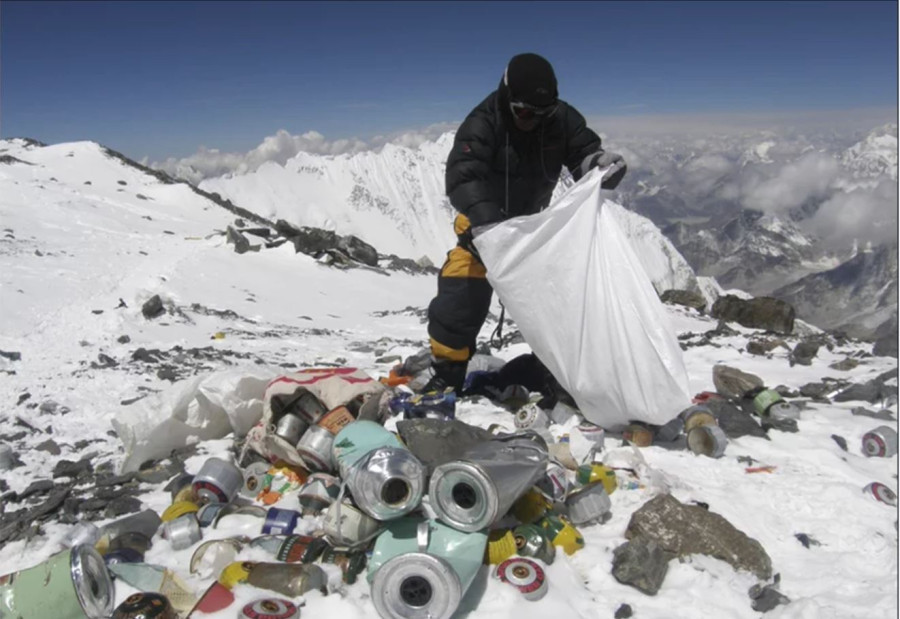
Nepal is one of the perfect spots when we talk about trekking. But there are plenty of issues that are associated during trekking in Nepal. Waste management during trekking in Nepal has been one of the key problems.
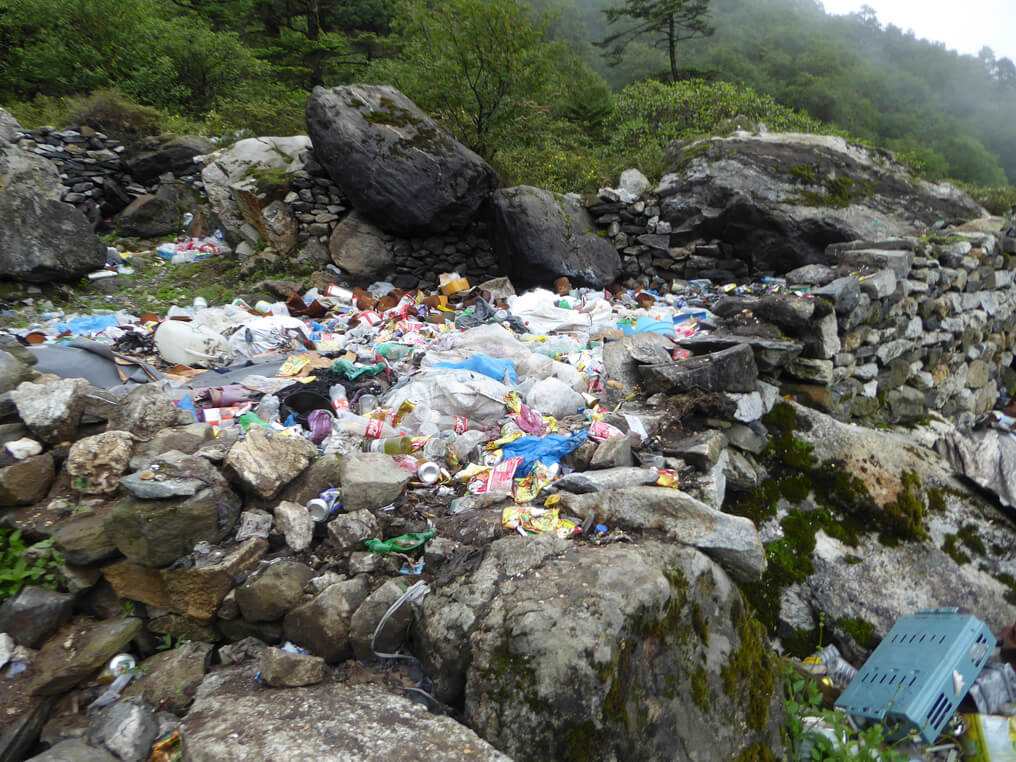
When you look into it, there are a lot of trekking agencies like The Trek Nepal that work for sustainable trekking options, but still solo trekkers make things harder. The biggest issue has to be the solid waste that remains.
Waste management is hardly practiced, and waste like plastic, polythene, paper, burners, and glass always works as a big no during the trek. Through this blog, we will try to understand waste management during trekking in Nepal.
Types of Waste During Trekking
This could be an interesting aspect to talk about. There are different types of waste that you will find during high-altitude trekking. The first and the most important one would be human waste.
Every season, you will find 14 tons of human waste, which is way too much. Other than that, solid waste is another waste you will encounter during the trek. Microplastics, polythene, and litter are the types of solid waste in the mountains.
Besides human and solid waste, other waste present in high-altitude trekking includes:
- Organic waste
- Paper and Cardboard
- Plastic and Microplastic waste
- Toxic and Hazardous waste
- Medical and electronic waste
- Animal and burned waste
What is Sustainable and Eco-Friendly Trekking?
When we talk about waste management during trekking in Nepal, sustainable and eco-friendly trekking is a long way. Any trekker who is willing to follow the sustainable trekking route can make the right call.
Sustainable trekking in Nepal refers to protection of nature, respecting of local culture and also helping the local communities for clean up campaigns. Furthermore, it also involves being fair and rational to the local guides, porters, and communities.
Added to that, eco-friendly trekking refers to the preservation of water, reduction of waste, and also less use of carbon-emitting tools. This helps protect the mountains for future trekkers.
Not only for the responsible hiker, but following the right rules and sustainable trekking is important for everyone. You will need to be at the top of your game if you want to properly manage waste during trekking in Nepal.
Ways To Reduce Waste Management During Trekking in Nepal
It is evident that waste management is key if you are planning to trek in the mountains. With the increasing number of trekkers, it is key to make the right decisions for waste management.
As the number of trekkers increases every year, the Nepal Tourism Board has warned trekkers to follow the right steps to reduce waste during trekking in Nepal.
Some of the key steps include:
Switch to reusable
The first and key step for waste management during trekking in Nepal would be switching to reusable items. The less items you use the lesser will be the waste.
The major contributors to the waste in the mountains are plastic water bottles, straws, spoons, and bags. So, in that scenario, switch to reusable water bottles, cutlery, bags, paper, and cloth bags, etc
-
Educate the local
Educating the local community is a most important aspect. Until and unless the local community and the trekkers are educated, it is hard to control the waste. The Trek Nepal works wonderfully well on it.
We try to educate the local community on the importance of keeping the mountains clean. With less waste in the region, the new trekkers also dont litter in the area, keeping the mountains clean.
-
Leave no trace
No trace trekking or sustainable trekking is a key way to make the mountains safe and clean. As we trek at higher altitudes, leaving litter in the open takes a lot of time to decompose.
This creates an issue that is hard to resolve. What’s worse is the fact that the food we throw in the open could pollute nature and also make the animals sick, which is an issue. Meanwhile, leaving no trace needs to be practiced.
-
Clean up the waste
When we talk about waste management during trekking in Nepal, it is key to understand that cleaning is the right way to go. The more waste you see will be decreased when you go ahead and clean it.
A responsible trekker never thinks about who made the waste but is keenly focused on cleaning the waste and keeping the mountain clean. So, being a responsible trekker cleaning up the waste helps a lot.
-
Avoid the use of plastic
The last and key factor for waste management during trekking in Nepal is reducing the use of plastic. When we talk about trekking, we use energy bars, nuts, and chocolates for energy.
They come in plastic bags. But if we are able to replace them by switching to paper bags, the results are brilliant. If we ignore the use of plastic and use tiffin boxes and paper bags, the mountain waste can be reduced massively.
Final Thoughts
We must save our mountains from waste. Proper waste management during trekking shouldn’t be a one-time job but much more than that.
Having said that, you should always leave the trekking space in a better condition than you found it. Choosing a random trekking agency for your next trek shouldn’t be done.
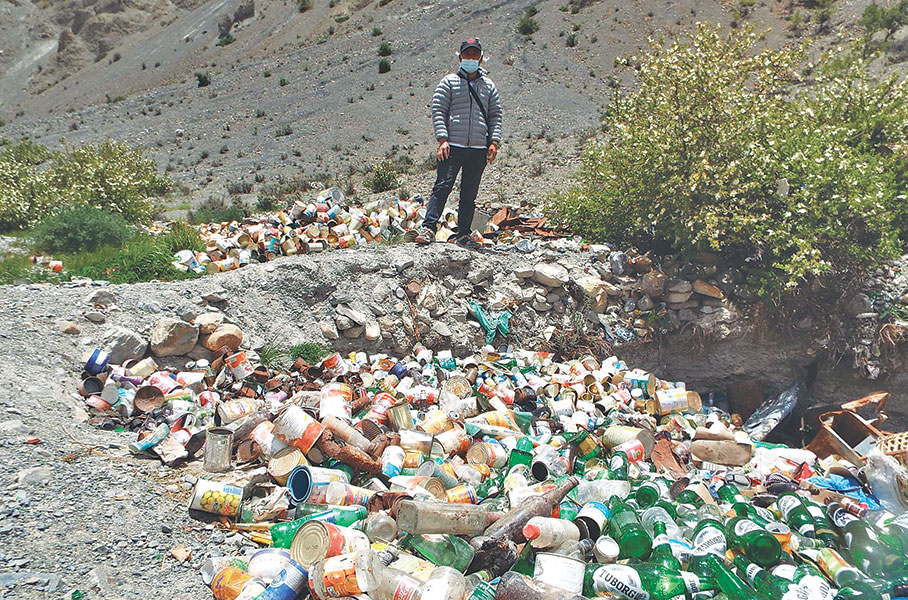
Always check the credentials of the trekking agency. Whether they pledge to protect nature, whether they contribute to waste management or not. In the context of The Trek Nepal, we do it all.
We help the local communities for the betterment of their local waste management program. We also educate the trekkers and the communities for environment protection.
The Trek Nepal also works for sustainable tourism and trekking, which is key. If you also want to be a part of this change, then The Trek Nepal is right with you.
We provide training and practice in waste management policy. If you are actually interested, then contact The Trek Nepal to see the difference.