Like a lot of other mountain peaks that lie in the Khumbu region, the Kangtega peak expedition is also another exciting journey for the climbers. Famously known as the snow saddle, this particular peak is famous amongst foreign climbers.
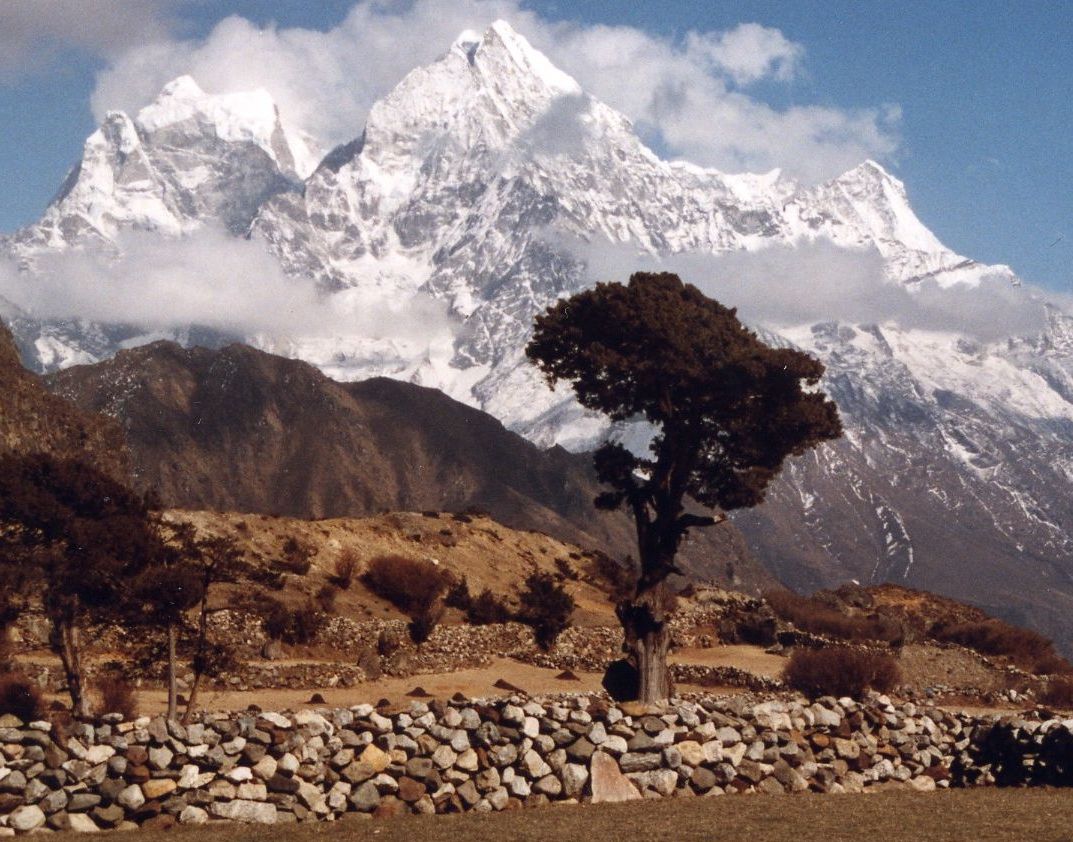
Lesser known and talked Kangtega peak lies at an altitude of 6782m, so thinking it is an easier climb will be a mistake. This particular peak is located around the likes of Hinku valley and Thamserku, providing an enticing climbing opportunity.
Kangtega Peak Expedition Overview
Kangtega peak expedition is present at the north of Thamserku. There have been thousands of climbs to the top, with the first one being in the 60’s.
Technically challenging and less talked about, the climb to Kangtega would be easier due to the detailed trail. One of the key landmarks of Kangtega Peak is the Hinku glacier.
This provides a landmark to move forward towards the Khumbu icefall and later to Kantega peak. Kangtega peak expedition is a new point, so choosing an experienced team like The Trek Nepal makes the overall journey much easier.
Highlights of the Kangtega peak expedition
- Beautiful view of peaks like Everest, Thamserku, Lhotse, Makalu, etc
- Witness the beauty of the Khumbu glacier and the Hinku glacier
- Test your technical skills by climbing 45-50 degree slopes
- Understand the Khumbu region by interacting with the local Sherpa people.
Trail to Kangtega Peak Expedition
If you are actually interested in the Kangtega peak expedition, there is a major trail that takes you there. Starting from Lukla, this trek will move ahead to Tashing Ongma, Osila Kharka, Thangnak, and later to the base camp of Kangtega peak.
The overall route is 23.6km long, while the climbing route is only 13.3 km long. There will technically be 3 base camps that need to be won over if you want to get to the top of Kangtega.
Cutting through the steep slopes and crossing the glaciers, we will overcome all the technical challenges. After reaching the summit, we will trace back down the same route. Proper acclimatization and understanding of the routes make this trek easier.
Who Climbed Kangtega Peak For The First Time?
A lot of the readers might be asking the same question, as to who made it to the top of Kangtega peak for the first time. Well, the answer is simple. This climb was made way back in time.
The first ever successful climb to Kangtega peak was done by the very own Sir Edmund Hillary. This climb of 6782m was successful in June, 1963.
Not only Hillary alone, but the team of David Dornan, Tom Frost, Michael Gill, and Jim Wilson was able to reach the top. In order to make the first successful attempt, Hinku glacier was chosen by the team.
Is the Kangtega Peak Expedition really hard?
Well, the answer is yes. Even though Kangtega lies in the well-known region of Everest, there are technical challenges that come along. With the unique expedition route selected, climbers must be skilled here.
The route involves Kangtega icefall, which goes through the base camp. You will face the challenging high rock and a bypass that is potentially life-threatening.
As the icefall hazards are a common occurrence, you will reach the summit ridge after a major workout. The view from the top will be scenic and worth the climb, but the technical challenges must not be ignored at all.
Permits Needed for Kangtega Peak Expedition
Present in all famous trekking routes of Nepal, the Kangtega peak expedition requires some well-known permits. All of the permits are easily available either at the Nepal Tourism Board or at the local municipality.
Along with that, an experienced trekking agency like The Trek Nepal also helps you to get all the permits. The key permits needed for the Kangtega peak expedition are:
- Sagarmatha National Park Permit
- Khumbhu Pasang Lhamu Rural Municipality Permit
- Trekkers Information Management System Card
Cost of Kangtega Peak Expedition
Even though Kangtega Peak lies in the well-known trekking zones, the exact cost is hard to predict. The cost tends to be different based on the quality of service you are looking for.
If you are going for the privatized services, the cost tends to be higher. On the other hand, the use of shared services results in lower costs. The cost of the Kangtega peak expedition also depends on the time of the year.
On the peak season, the cost could be around $5600 while the cost could be around $5200 during the off season. The cost can be determined based on the quality of service the trekkers are willing to take.
Alternative Treks to Kangtega Peak Expedition
Not every trekker is willing to perform the newer treks. However, some of the trekkers are also interested in trekking the well-known routes.
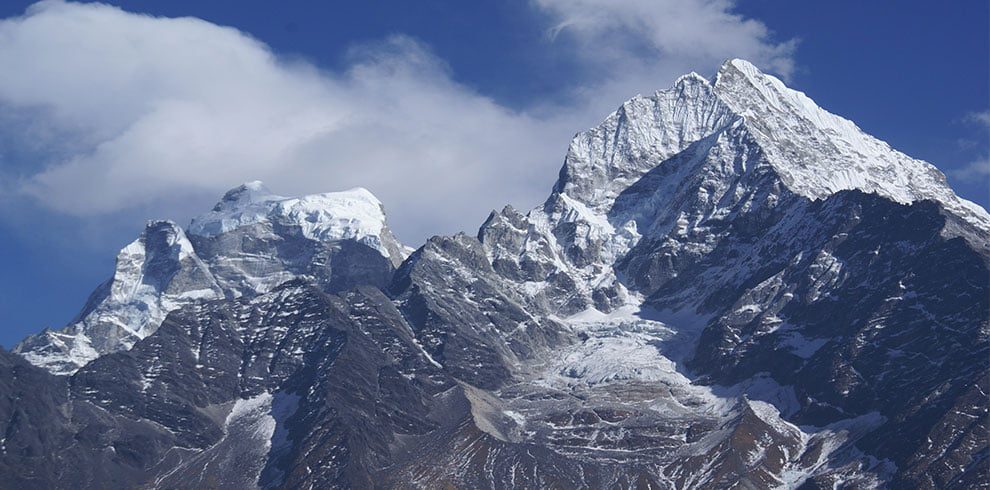
Anyone who doesn’t have much experience and wants to do the well-known trekking options, there are plenty of alternative treks to the Kangtega peak expedition.
Some of the well-known Kangtega peak expedition alternatives include:
- Ama Dablam peak expedition
- Everest Three Passes trek
- Gokyo Lake and Renjo La Pass Trek
- Pikey Peak trek
Why Choose The Trek Nepal For Kangtega Peak Expedition?
There are a lot of trekking agencies when we talk about Nepal. So the question may arise, why should you book with The Trek Nepal for the Kangtega peak expedition?
Even though the Kangtega expedition is located in the well-known regions, it is important to know the exact trekking routes. Not only does the highly experienced team of climbers, trekkers, medical team, and the staff make The Trek Nepal special.
We have been doing national and international treks for over a decade now. Knowledge of handling tough situations and getting the right result is our key.
Lastly, we are known to provide a customised package to the clients. Based on your time and budget, we create the perfect package. All of this makes The Trek Nepal the first choice for anyone interested in trekking.
Detailed Itinerary About Kangtega Peak Expedition
Day 1: Arrival in Kathmandu
Your Kangtega peak expedition begins as you arrive at Tribhuvan International Airport, the main gateway to Nepal. After a warm welcome, you are transferred to your hotel in Kathmandu, a city rich in culture and history. This first day is reserved for rest and recovery after travel, which is essential before heading into a demanding high-altitude environment.
If time allows, you can explore nearby areas and get your first glimpse of Nepalese life. The contrast between Kathmandu’s vibrant streets and the remote Himalayas you will soon enter sets the tone for the Kangtega peak expedition.
Day 2: Preparation and Cultural Exploration in Kathmandu
This day focuses on final arrangements for your Kangtega peak expedition. You will complete the necessary paperwork, including climbing permits, and meet your guides and expedition team. Detailed briefings ensure you understand the route, safety measures, and expectations.
You may also visit key landmarks such as Pashupatinath Temple and Swayambhunath, offering insight into Nepal’s spiritual and cultural heritage. These visits add depth to your expedition experience before heading into the mountains.
Day 3: Final Preparation Day in Kathmandu
Another important preparation day for the Kangtega peak expedition. This time is used for gear checks, last-minute purchases, and team coordination. Ensuring all equipment is in perfect condition is critical for safety during the climb.
You can also explore markets in Thamel for any missing gear. This final day in the city ensures you are physically and mentally ready for the journey ahead.
Day 4: Flight to Lukla and Trek to Phakding
Your Kangtega peak expedition officially moves into the mountains with a scenic flight to Lukla, landing at Tenzing-Hillary Airport. This airport is famous for its dramatic location and marks the starting point of many Himalayan expeditions.
From Lukla, you begin trekking along the Dudh Koshi River, passing small villages and suspension bridges before reaching Phakding. This relatively easy trek helps your body begin adapting to altitude.
Day 5: Trek to Namche Bazaar
The trail from Phakding to Namche Bazaar is more demanding, involving steep climbs and high suspension bridges. Along the way, you may catch your first glimpses of Mount Everest.
Namche Bazaar, known as the gateway to Everest, is a bustling Sherpa town filled with shops, cafes, and stunning mountain views. It is a key acclimatization stop during the Kangtega peak expedition.
Day 6: Acclimatization in Namche Bazaar
This day is dedicated to acclimatization, a crucial aspect of the Kangtega peak expedition. Short hikes to viewpoints provide panoramic views of peaks like Ama Dablam and Lhotse.
You can also explore the local culture, markets, and lifestyle of the Sherpa community while allowing your body to adjust to the altitude.
Day 7: Trek to Tengboche
The journey to Tengboche takes you through forests and scenic trails with spectacular Himalayan views. The highlight is the famous Tengboche Monastery, the spiritual center of the Khumbu region.
Surrounded by peaks like Everest and Ama Dablam, Tengboche offers a peaceful environment and marks an important cultural stop during the Kangtega peak expedition.
Day 8: Trek to Kangtega Base Camp
Leaving Tengboche, the landscape transitions into rugged alpine terrain as you head toward Kangtega Base Camp. This marks a major shift from trekking to climbing in the Kangtega peak expedition.
At base camp, climbers prepare equipment, review strategies, and begin serious acclimatization for the ascent. The surrounding Himalayan scenery creates an intense yet inspiring environment.
Days 9–17: Climbing Mount Kangtega
This is the core phase of the Kangtega peak expedition. Over several days, climbers establish higher camps, adapt to altitude, and prepare for the summit push.
The climb involves technical sections, icy slopes, and changing weather conditions. Each step requires careful planning and teamwork. Reaching the summit at 6,779 meters is both physically demanding and deeply rewarding, offering unmatched Himalayan views.
Day 18: Base Camp Cleanup
Environmental responsibility is a key part of the Kangtega peak expedition. The team spends this day cleaning the base camp, ensuring no waste is left behind.
This effort preserves the pristine Himalayan environment and reflects sustainable expedition practices.
Day 19: Return Trek to Tengboche
After completing the climb, you begin your descent back to Tengboche. The return journey allows time to reflect on the achievement while enjoying familiar landscapes from a new perspective.
The comfort of teahouses marks a transition back from expedition conditions.
Day 20: Trek to Namche Bazaar
Descending to Namche Bazaar, the trail feels easier as oxygen levels increase. You can fully enjoy the scenery and revisit the lively Sherpa town.
This stage of the Kangtega peak expedition combines relaxation with reflection on the journey.
Day 21: Trek to Lukla
The final trekking day takes you back to Lukla. This long walk is filled with mixed emotions—pride, relief, and nostalgia.
Reaching Lukla marks the completion of the trekking portion of your Kangtega peak expedition.
Day 22: Flight to Kathmandu
You fly back to Kathmandu, returning from the mountains to city life. The rest of the day is free for relaxation or exploration.
You may visit historic areas like Bhaktapur or Patan to experience Nepal’s architectural heritage.
Day 23: Leisure Day in Kathmandu
This free day allows you to unwind after the Kangtega peak expedition. You can shop in Thamel, enjoy local cuisine, or simply relax.
It’s an opportunity to reflect on your journey and enjoy the cultural richness of Kathmandu at a slower pace.
Day 24: Departure from Kathmandu to home nation
Your Kangtega peak expedition concludes with a transfer to the airport for departure.
As you leave Nepal, you carry memories of the Himalayas, the challenge of climbing Kangtega, and the cultural experiences that made this journey unforgettable.