
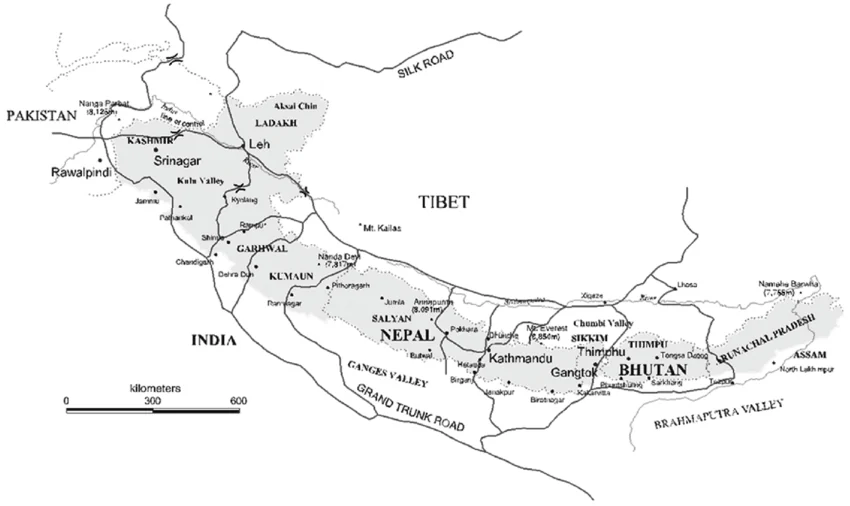
In the modern world, you might think salt is just another commodity for food. But things were different in the ancient past. Nepal’s former salt trade routes are located in the far western part of Nepal.
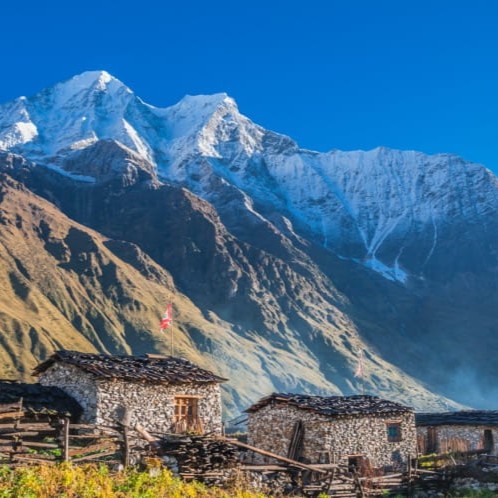
These routes carry a rich history and also stories that might be vanishing with time. The Trek Nepal through the trekking journey and experience have discovered the rich history of these routes.
With modern facilities and infrastructure, the former salt trade routes seem to be lost. But there are some Himalayan villages that play a leading role in the protection of the ancient salt route.
Details About Nepal’s Former Salt Trade Routes
A lot of the readers might be keen as to what would be the exact route for the trade. Well, almost all of the routes were above the 5000m mark, which shows it was easy to travel between.
Meanwhile, the major historical routes for this trade included:
-
Western Route
The western route is one of the key zones for Nepal’s former salt trade routes. This route ran from Tibet, which went through Hilsa, Humla, and down to Simikot.
This was one of the toughest paths to walk. You will have to pass through Simikot, Jumla, Surkhet, and later meet up with the Terai markets. The people living in the far west region depended on this trail for survival and local trade.
-
Central and Kali Gandaki Route
The central and Kali Gandaki route is one of the key travelling destinations in modern Nepal. It passed through Upper Mustang through places like Lo Manthang, Kora La, and Chhuksang.
Later, it passed through the Kali Gandaki River and Gorge along trade hubs like Dana and Tukuche in Myagdi and later pushed towards Pokhara and the mid hills. A relatively easier trade route.
-
Kathmandu Valley Route
A lot of the readers might be surprised and confused to know that the Kathmandu Valley was also a route for Nepal’s former Salt trade routes. This particular route connected Tibet through Kodari and Tatopani.
Later, it pushed towards Ason Market, which has historic importance too. Ason in the past served as the major central redistribution point for Tibetan salt and Terai rice.
Being the capital city of Nepal, all the deliveries for the country moved from Ason. After reaching Ason, the produce moved south towards Chitwan and India.
-
Eastern Route
The Eastern route of Nepal was mainly connected with the Terai belt of Nepal. Even though the Terai was the greenest part of the country, this route was also used for transporting essentials.
The Eastern route started from Tibet and passed through the villages of Olangchung Gola, Chainpur, and Dharan. It later met with the Eastern Terai, making it a key vantage point.
-
Dolpo Caravan Routes
The last, yet the toughest, of Nepal’s former salt trade routes would be the Dolpo Caravan Routes. It is linked with Upper and Lower Dolpo through the high passes like Kang La near Saldang and Shey Gompa.
Kang La is a pass standing at an altitude of 5350m, so moving along the route can be physically challenging. Shey Gompa later moves down to the Southern exchange point, completing the route.
Ancient Salt Routes Today
A lot of readers and trekkers tend to inquire with The Trek Nepal about the present condition of salt routes. Well they have been protected by the local communities today.
These routes are located in the far western region of Nepal. As you pass through these routes, you realise the rich history associated with the place. Passing through, you will realise deep gorges, high mountain passes, and remote valleys.
Other than that, the authentic experience of the salt trade routes and stories from the locals also keep you enlightened. As the trails are less touched, you will realise the peace, silence, and a deeper connection with nature.
Anyone who is willing to explore the traces of ancient salt trade, you will have to visit places like Humla, Dolpo, Limi Valley and Upper Karnali.
Depending upon the rich history of the place, you will find they aren’t yet commercialised, so the authenticity and experience remain to this day.
Why is Nepal’s former Salt Trade Routes Important Today?
It might be a major question as to why Nepal’s former salt trade routes are important even to this day. Well, other than carrying the rich history of being a salt trade route, you will find they are important for other reasons too.
The cultural importance beyond commercialisation is key. These routes show the value of cooperation and mutual support in the past. Meanwhile, the route signifies the value of salt, which was once considered white gold.
One of the key lessons that the modern world can take is the fact that you can build strong relationships purely on trade and trust. Nepal and Tibet in the past had stronger ties just due to the salt trade route.
Along with that, you also understand the key fact that the people living in these regions were mentally stronger. They adapted to the harsh conditions with remarkable determination and strength.
Lastly Nepal’s former salt trade route helps us understand our history and this particular trade route has helped us to shape the present.
Final Thoughts
The Far Western region of Nepal holds the richest history when we talk about Nepal in general. The facts, history, and culture present in the region are unmatched.
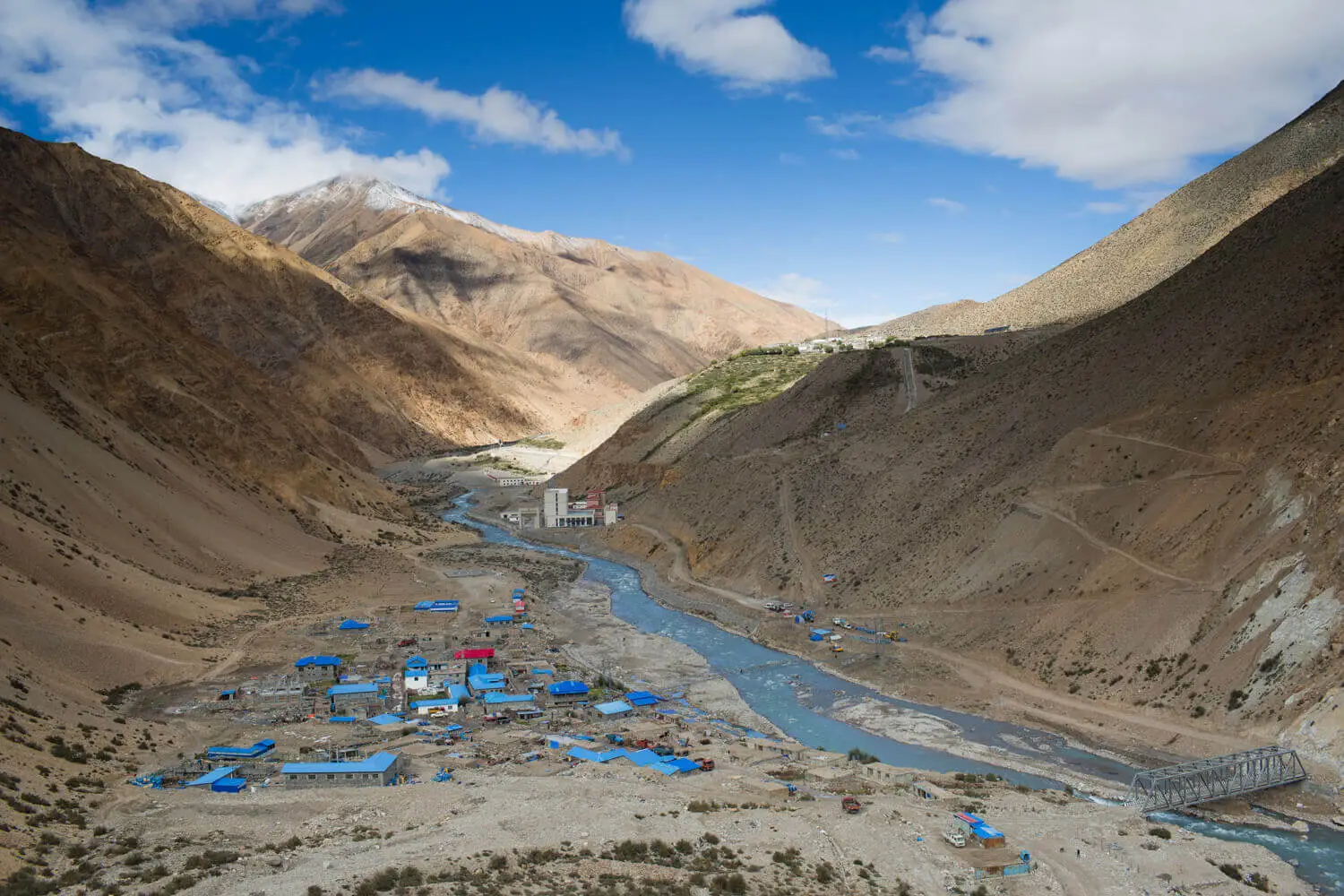
Another key aspect would be Nepal’s former salt trade routes that go through the region. When you move in the Karnali region, you realise the yak caravans even to this day.
The Government of Nepal has also worked well to keep the rich history in place. The salt trade route of Nepal is an example of endurance, exchange, and humanity in general.
Anyone who wants to understand Nepal, its rich history from a unique perspective, should visit the ancient salt trade routes. This would help you nose-dive into what went on for the people of the far west to keep their everyday work going.
If you are interested in trekking to these regions, contact The Trek Nepal. We will plan a proper itinerary which will help you to experience Nepal’s former salt trade routes in depth.