For a very long time, we have talked about how monsoon trekking in Nepal is tough. But allow The Trek Nepal to assure you that it isn’t impossible. Even for monsoon trekking in Nepal, there are plenty of options available.
However, The Trek Nepal would like to advise you to have some form of trekking experience so that the overall journey will be much easier. In Nepal, the monsoon falls during June to August.
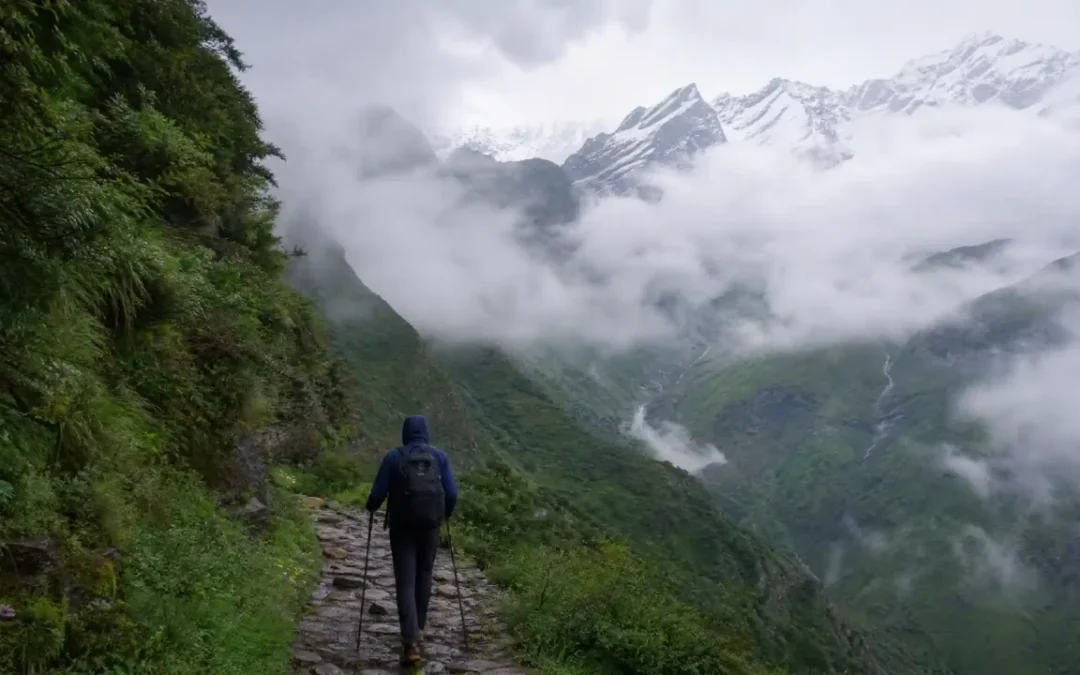
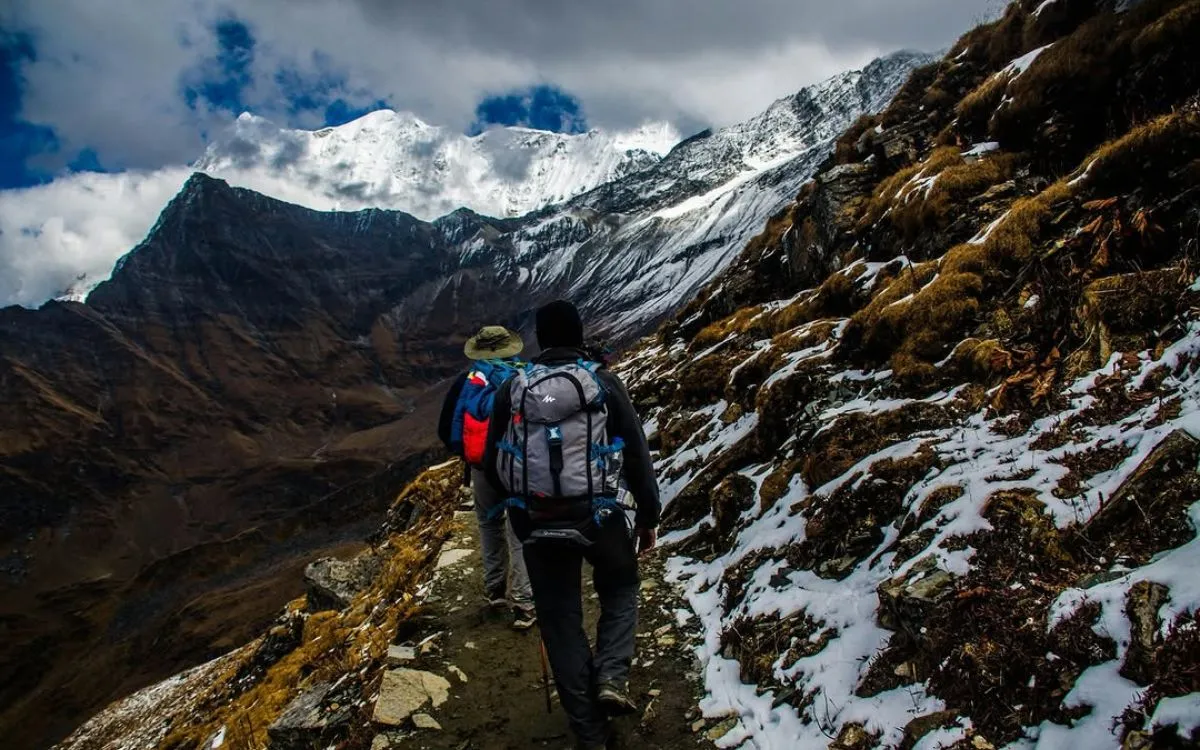
The weather remains very cold at higher altitudes. Along with that, the trails also remain slippery, which might not be easy to overcome. But this is also an opportunity.
The Trek Nepal would like to talk about what could be the best outcome of monsoon trekking in Nepal.
Why Should You Choose Monsoon Trekking in Nepal?
A lot of the readers and fellow trekkers might have the question: why should you choose monsoon trekking in Nepal? Well, the answer is simple. It is due to the opportunities that lies ahead.
The major advantages of choosing monsoon trekking in Nepal are:
-
Lack of crowd
If you are an introvert who likes little to no people on the trails during a trek, monsoon trekking is the right option for you. With autumn and spring being the peak season, monsoon remains a peaceful and more relaxing journey.
-
Affordable food and accommodation
It could be a controversial topic to talk about, but food and accommodation during monsoon trekking in Nepal are more affordable. With fewer to no trekkers, teahouses tend to compromise a bit on the food and accommodation factor.
-
No rush and easier availability
Another key reason for monsoon trekking in Nepal would be the lack of people and lack of rush. With so many teahouses and so few people, you have an option to choose from. This makes the availability factor on your side.
-
Greener landscapes
One of the biggest advantages would be the greener landscapes that come along. After the fresh rain, all the flowers and plants bloom beautifully. Rice terraces glow with green colors. Overall, it makes for a brilliant experience.
-
Authentic experience
It could be debatable, but monsoon trekking in Nepal is more authentic compared to the peak. With fewer tourists and trekkers in the region, the local community has enough time to talk and share about their culture. This brings better bonding with the locals.
Challenges During Monsoon Trekking in Nepal
-
Delay In Transport
The biggest problem with monsoon trekking in Nepal is the delay in transport. Most of the time, the flight gets delayed due to poor weather and visibility. Not only that, heavy rainfall causes landslides, affecting the roads in the hilly region.
-
Leech attack
Leeches are one of the toughest opponents for monsoon trekking. When you trek in the lower elevation area, there is a chance of leech attack, which can be a problem. With waterlogging, leeches tend to attack trekkers, making it harder.
-
Slippery trails with frequent rainfall
It doesn’t matter whether you’re on the high-altitude trek or the lower treks; there are chances of slippery trails. Regular rainfall impacts the trekking boots too. You will also find slippery and muddy trails. This makes the experience pretty bad.
-
Limited views
Even though we might have greenery and views all along, you might not get great mountain views. Even if you plan the EBC trek, you might not be able to witness the beauty of Everest, which is an issue. Regular rainfall creates issues with proper visibility.
Best Monsoon Treks in Nepal
The Trek Nepal assures you that not every trek is affordable or accessible during the monsoon season. There are some selective trails that are easier to access.
The list includes:
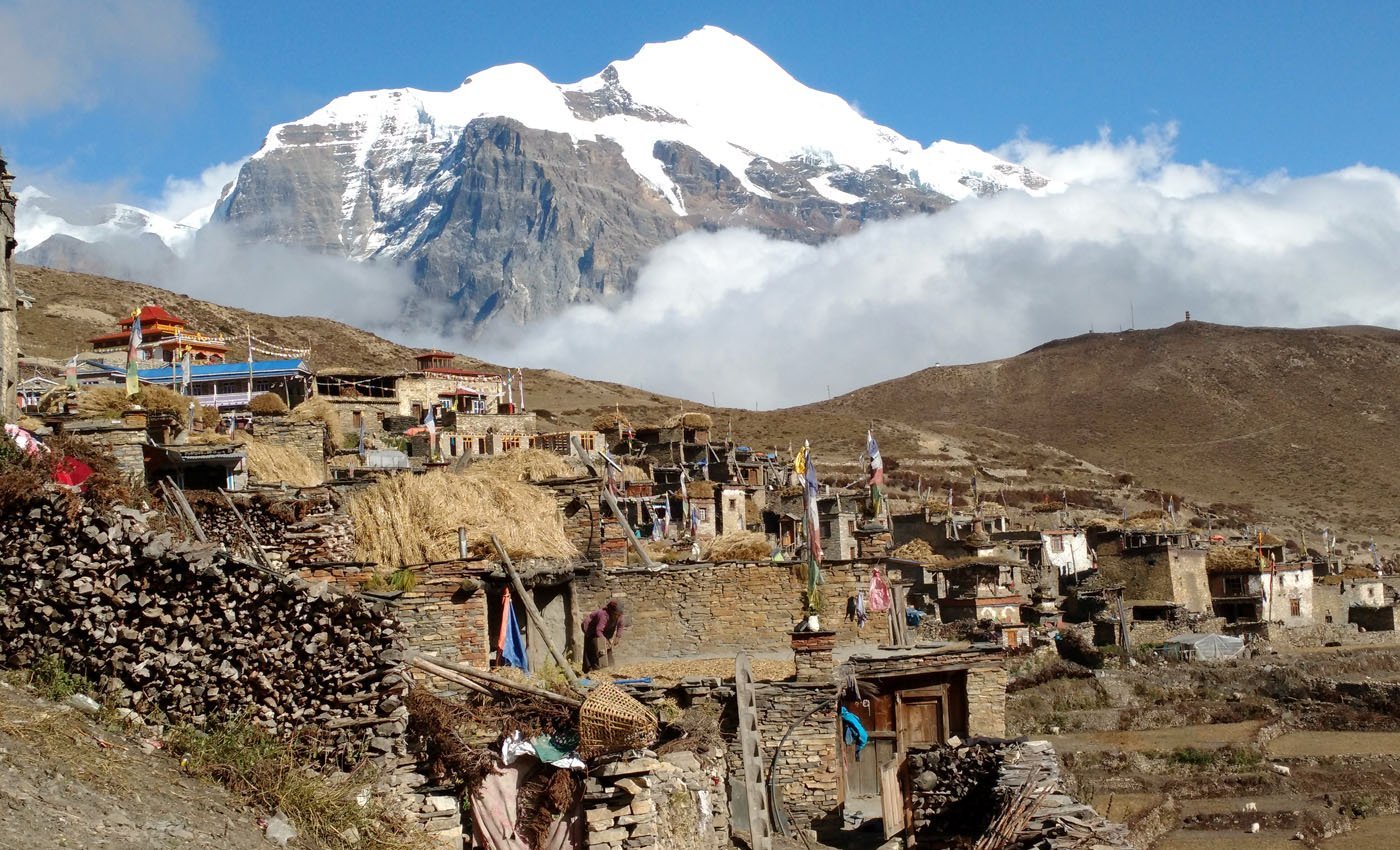
- Upper Mustang Trek
- Nar Phu Valley Trek
- Upper Dolpo Trek
- Annapurna Circuit (Rain shadow section)
- Tilicho Lake
- Phoksundo Lake Trek
- Ghorepani Poonhill Trek
Essential Tips for Monsoon Trekking in Nepal
If you have made up your mind for monsoon trekking in Nepal, The Trek Nepal would like to assure you of some of the key tips. These tips help you to make the monsoon trekking experience pretty easier.
- Use the trekking pole as it helps with better grip, stability, and balance
- Keep buffer days during monsoon treks for unpredictable conditions
- Dont expect too much from the monsoon trek, as the mountain views will be limited
- Use high-quality and waterproof boots for better hold and flexibility
- Always have a good insect repellent for the leeches and other insects.
- Timely check your shoes and socks for the presence of leeches. Dont panic if you find one; use salt to get rid of it.
- Always choose a local trekking agency like The Trek Nepal for safe and better monsoon trekking in Nepal
- Try to study the local surroundings for calamities like landslides and floods for safety.
Things To Pack For Monsoon Trekking in Nepal
Monsoon trekking isn’t as easy as it may seem. Anyone who has more experience and knowledge of the trek tends to choose monsoon trekking in Nepal.
Some of the key things to pack during monsoon trekking are:
- Waterproof jacket and rain trousers
- Cover, Dry bags inside your daypack
- Better drying clothes that aren’t cotton
- Long socks to protect from leeches and insects
- Waterproof boots and sandals for evenings
- Warm layer of clothing for the cold nights
Final Thoughts
Monsoon trekking in Nepal isn’t as easy as you may think. The Trek Nepal would like you to consider not going on a solo trek for the monsoon season.
More than any other season, it is the monsoon that makes things very tough. Unpredictable weather and unseen calamities can make the experience worse.
But with a better team like The Trek Nepal, we will guide you through it. With proper planning, you can perform a monsoon trek at your own pace. Better availability of options, fewer crowds, and more authentic experiences.
Monsoon trekking in Nepal also allows for smaller packs and teams for the trek, making the experience more profound. All in all, you will need to have a better experience to complete the monsoon trek.
If you require any details, itineraries, or information, feel free to connect with The Trek Nepal.