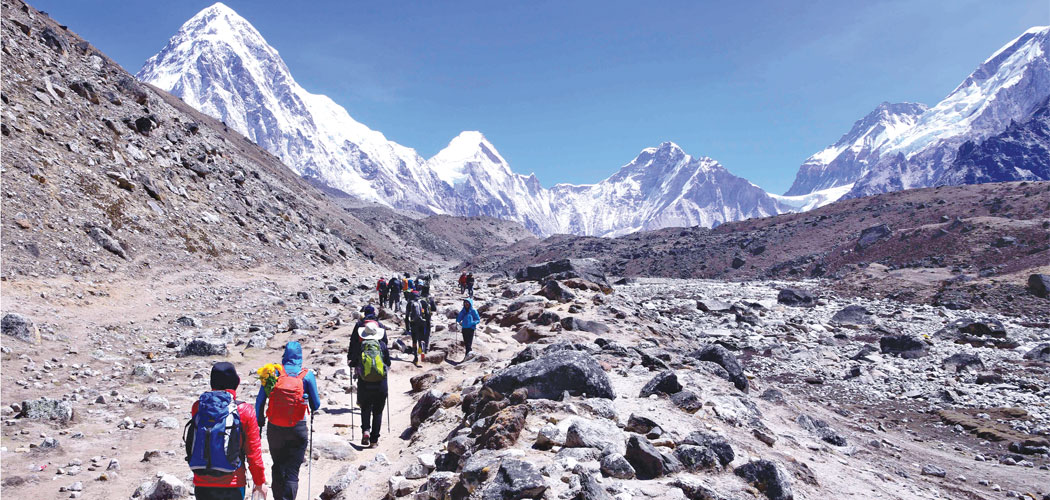
The impact of tourism in remote regions of Nepal goes two ways. There are both positive and negative impact of tourism in remote regions of Nepal. Looking at the Nepalese trend, we can easily say that the positive impact has been the dominant one.
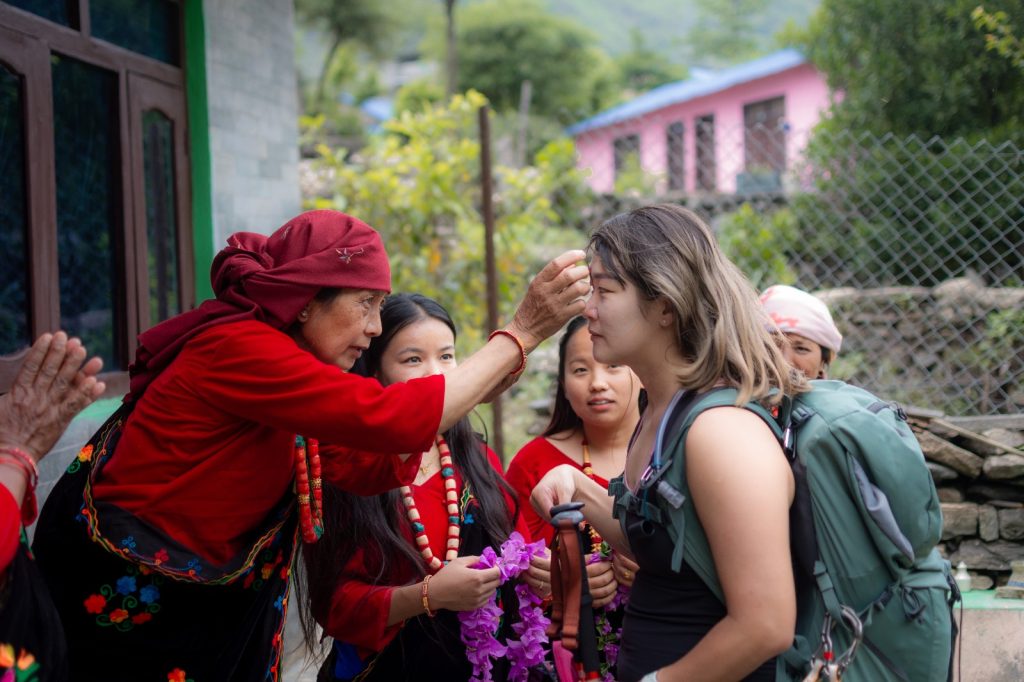
From infrastructure development to financial and economic growth of the local communities, there are a lot of positives to see and explore. However, we should also focus on the flip side.
As The Trek Nepal delivers the blog on the impact of tourism in remote regions of Nepal, we will look at both the positive and negative impacts.
Post Impact of Tourism in Remote Regions of Nepal
-
Job opportunities for the locals
The first and the most important impact of tourism in remote regions of Nepal is the job opportunities it creates. Through tourism, there are plenty of locals who get jobs.
Not only that, but the porters and the guides also get a new income source. This tends to boost the local and national economy at the same time.
-
Growth of Infrastructure
If you compare the infrastructure of the tourism sites in the last decade, things are very different. It would take a lot of time to reach Upper Mustang in the past, but things are different now.
All of this is the result of better infrastructure. The black-topped roads, along with improved health services and better communication facilities, make the infrastructure growth more justifiable.
-
Preservation of culture
Nepal is a rich country in terms of culture and tradition. In order to boost the culture, Nepal Tourism Board also announces a tourism year most of the time.
With the development of tourism, you will see the souvenirs being purchased on a larger scale. Along with that, you will see the traditional garments, local cuisine, and crafts going to different parts of the world. This preserves the authenticity of the country.
-
Environmental conservation
This could be a double-edged sword when we look at it. We can talk about environmental conservation as a positive impact of tourism in remote regions of Nepal.
Various funded protection work along with the local stewardship helps preservation of animals and plants. Some key examples include the work in the Annapurna Conservation Area. Besides, The Trek Nepal also focuses on the eco-tourism concept, which positively impacts the environment.
Negative Impact of Tourism in Remote Regions of Nepal
-
Massive Deforestation
An unseen or underrated negative impact of tourism in remote regions of Nepal is deforestation. As you go higher in altitude, you will find tea houses which are run by firewood.
In order to light and run so many teahouses, it is key that a massive amount of forest needs to be cut down. Major deforestation might lead to issues in natural disasters.
-
Waste Accumulation
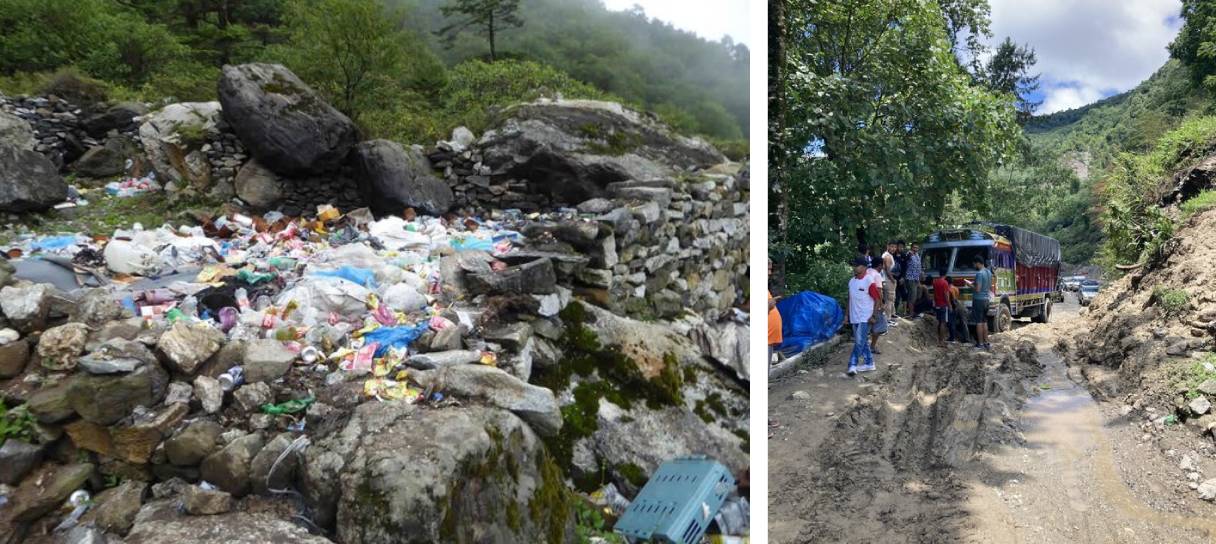
Even though The Trek Nepal boastfully talks about no negative footprints, issues tend to arise one after the other. Not all the agencies follow this concept, and waste accumulation gets higher in the end.
You will be surprised to see water bottles, tin cans, and human waste, which are massive in the trekking and tourism region. The controlling mechanisms are there, but it can’t be pushed to zero.
-
Unbalanced Economic Growth
Tourism does bring job opportunities and financial growth to the local communities, but there is major disparity in it. When you look into it you realise the famous trails only get major tourism.
From the likes of Annapurna to Everest, the crowd gets overpopulated, but the western and far western region tends to get overlooked most of the time. This tends to lead to economic disparity and uneven growth.
-
Not everyone loves commercialisation
This could be confusing yet important to understand. Not everyone loves the limelight and the hype around the tourism advantage.
There are a lot of remote regions of Nepal that love to remain under the spotlight and enjoy their everyday life. As a result of that, honing in on the tourism impact might not be the right idea.
What even impacts more is that the commercialisation of such places could create a negative effect in the future. The rare and expensive Ayurveda present in Nepal might be exposed to the world, which in return could create problems for us politically. This impact of tourism in remote regions of Nepal can’t be neglected.
-
Resource Depletion
One of the unwanted impacts would be on the resource depletion of Nepal. As the number of tourists tends to increase in a specific location, they use a lot of resources.
From water to energy and heat, the higher altitude might not be able to accommodate the sudden change. This harms the environment negatively.
Along with that, the hurried construction of roads might question their quality. This also affects the fact that the roads could break down forest inviting landslides, soil erosion, etc. All of this impacts badly in the long run.
Final Thoughts
The Trek Nepal is fully supportive of all the positive impacts that tourism brings to Nepal. But we also focus and work tirelessly to remove the negative impact.
From educating the locals to eco-tourism and zero negative footprints, we have been doing our bit. As Nepal is one of the key prospects for tourism in the world, it is important we use it rightly.
Proper distribution of tourists to different parts of Nepal and not only focusing on the famous trails could work in our favor. When the less explored regions are seen through it also makes things easier.
The overall tourism economy of the country gets pushed. In the end, you will have the economy being disbursed, jobs being created, and a positive surge in the country.
However, most of the trekkers make the same mistake of choosing the famous destination only. If you are still unsure which locations to choose, we are here to help.
Contact The Trek Nepal, and we will provide you with the list of hidden gems along with the itinerary that will be required. Besides, you will have an experience of a lifetime.