Nepal has always been the most preferred destination for trekking, mountaineering, or simply a holiday destination. 8 of the 10 tallest mountains in the world are located in Nepal, which makes it the key spot.
The future of trekking in Nepal looks good, but there are challenges in itself. Not with the number of tourists that will come in the future, but the impact it will have on the management, logistics, and other factors.
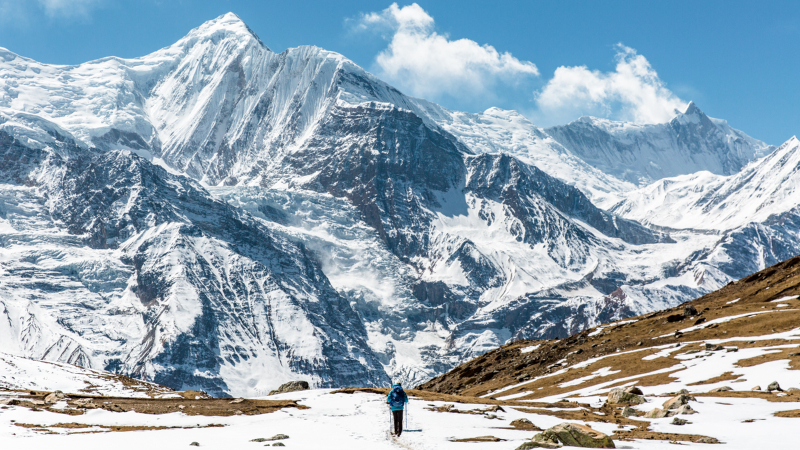
Over the next 5 years, there will be multiple challenges that will appear in the field of trekking, mountaineering, and peak climbing in the context of Nepal.
Through this article, The Trek Nepal would love to discuss the future of trekking in Nepal.
Nepal’s Tourism Vision Board 2030
Nepal Tourism Board has been working day and night for the improvement of tourism in Nepal. The future of trekking in Nepal is directly related to the Tourism Vision Board provided by the board.
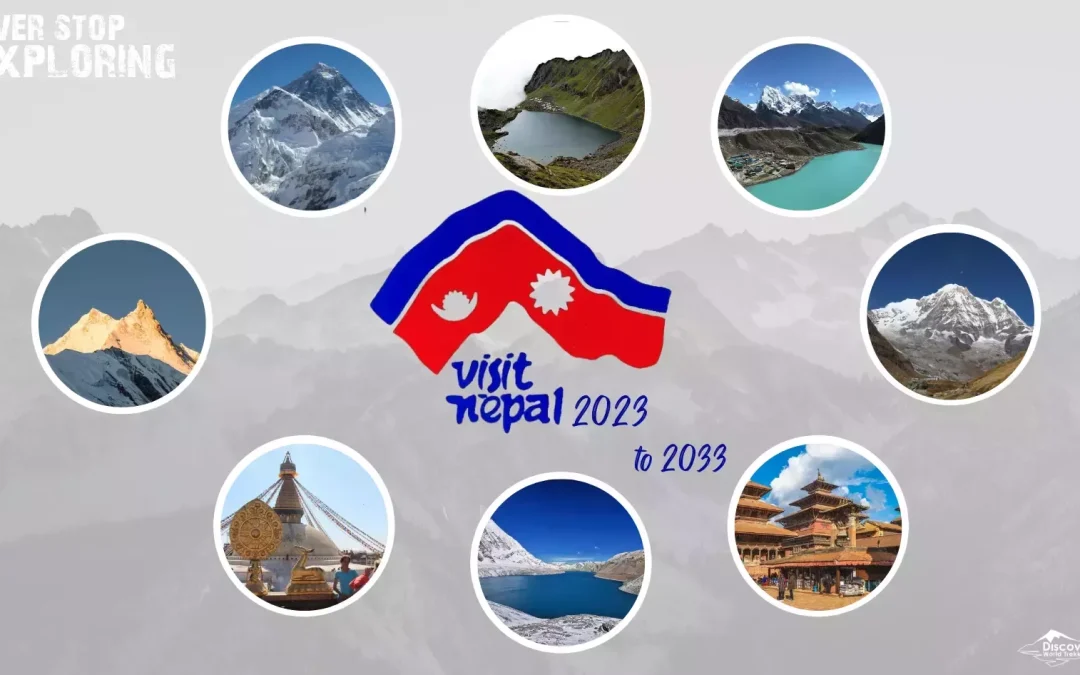
The 2023-2033 initiative talks more about improving the quality of tourism, suggesting remote locations to tourists that are less explored and creating sustainable economic opportunities.
This will create a better outcome for the overall nation. In order to get the right results, the government has been working with community-based tourism.
Not only that the smart tourism technology, promotion of lesser known trekking regions and eco friendly trekking will only help the development of tourism vision in Nepal.
Future of trekking in Nepal
Well, it is very easy to say that trekking in Nepal will grow drastically. However, it is also key to talk about what the changes could be that will arrive.
Sustainable trekking will be key
The first and most important change that will arrive is sustainable trekking. The increasing number of tourists in the mountains of Nepal has impacted, so sustainable trekking will be the key.
The Trek Nepal has been following sustainable trekking for years, and the results have been brilliant. Majorly in the well-known locations like ABC, EBC, etc., there are rising issues.
From plastic waste to water pollution, overcrowing and deforestation, things look bad. So moving to sustainability with plastic-free trails, eco-friendly teahouses, and local community support will bring better results.
Climate change will have an impact
A lot of the experts have been talking about climate change and what impact it will have. The future of trekking in Nepal will be massively impacted by climate change.
Mountains with snow are warming faster, and every year, there are some bare mountains showing up. Climate change has directly impacted snow patterns, glacier stability, trail safety, and the availability of water.
Ultimately, there is a major chance of a landslide, flood, glacial outbreak, and major accidents. So the government needs to be more concerned about it.
New trekking destinations will be explored
One of the biggest positives for the future of trekking in Nepal will be the exploration of newer trekking destinations. Nepal Tourism Board and the Government of Nepal have allowed solo trekking, which is a major step towards.
When we talk about trekking in Nepal, EBC, ABC, and Kanchenjunga are the first choices. But the government will put key focus on less explored routes in the future.
The likes of Upper Dolpo, Manaslu region, Far west of Nepal will also be key. Exploring less-known trails means that the experience will be authentic, there will hardly be overcrowding, and you could be part of rich history.
Focus on guided treks
Nepal is slowly moving towards a guided trek. Even with the permission for a solo trek, you will need to have an experienced guide certified by TAAN to get the permission.
This has pushed forward the concept of guided trek. In the next 5 years, the future of trekking in Nepal will shift focus towards guided treks.
Guided treks will be key for better safety, negotiation, emergency response, etc. There will be higher employment generation along with stronger monitoring and impact on trekkers.
Trekking will be more premium and experience-based
The future of trekking in Nepal will be more premium and experience-based. As the quality of tourists will increase with time, you will find more quality treks rather than budget-friendly ones.
The luxury teahouse trekking trend with wellness and spiritual trekking will be the key focus. Along with that, there will be more of the customised adventure packages, making the experience worth it.
The trekking industry, which is visualised as a cheap trekking destination, will be converted into a high-value adventure destination. The major reason for that would be the natural, religious, and other beauties present in the country.
Improvement in Infrastructure
Nepal is a small country with different landscapes in a single space. Having said that, there is remoteness and a lack of facilities in most of the destinations. As the tourism industry will get a boost in the future, the infrastructure will also improve.
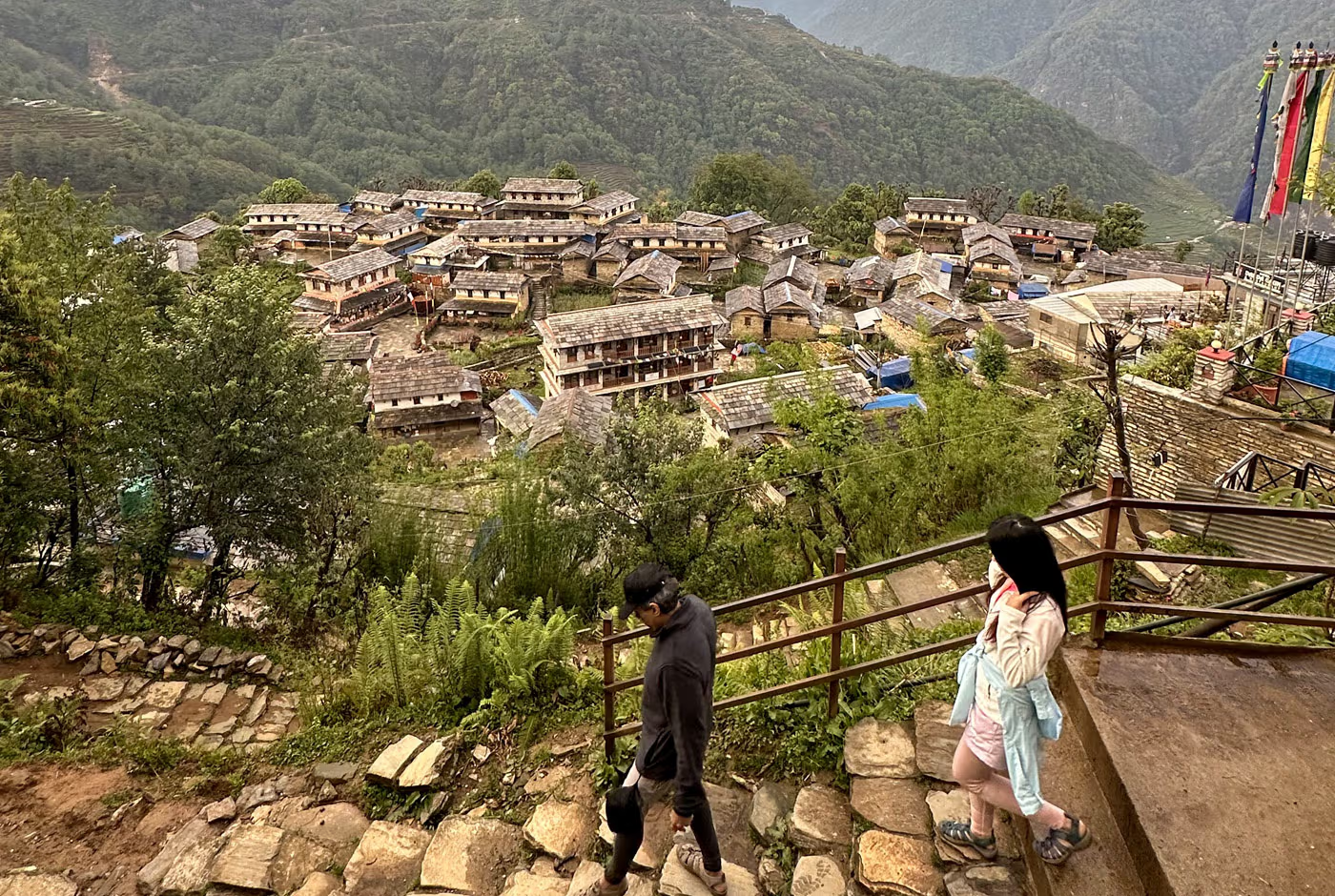
The future of trekking in Nepal will revolve around the improvement of infrastructure. Better roads and airports, improved emergency services, and smarter trail management will be in focus.
Besides the digital development, trekking will also mean that you will have safer trekking, accessible routes, and a better trekking experience for people of different age groups.
Final Thoughts
If you have thought that trekking in Nepal is getting to its best, it is just the start. There are major areas of improvement that are to come in the near future.
The future of trekking in Nepal looks promising to the core. With the changes in the new government and the trekking plans for until 2030, things look very good.
The digitalisation of tourism and exploration of less-traveled areas will open new doors for tourism. With the concept of sustainable tourism, you will experience growth and more flow.
Nepal Tourism Board, along with agencies like The Trek Nepal, have been working together for the betterment of the tourism sector.
Along with tourism, the local community and the holistic development of the living standard of the people are also the key focus. Overall the future of trekking in Nepal looks promising.
But along with all the opportunities, there are challenges of poor waste management, rescue mismanagement, infrastructure gaps, and the climate risk that could create a hindrance. It would be crucial to see what the government has to offer for the changes and development of tourism in the future.