
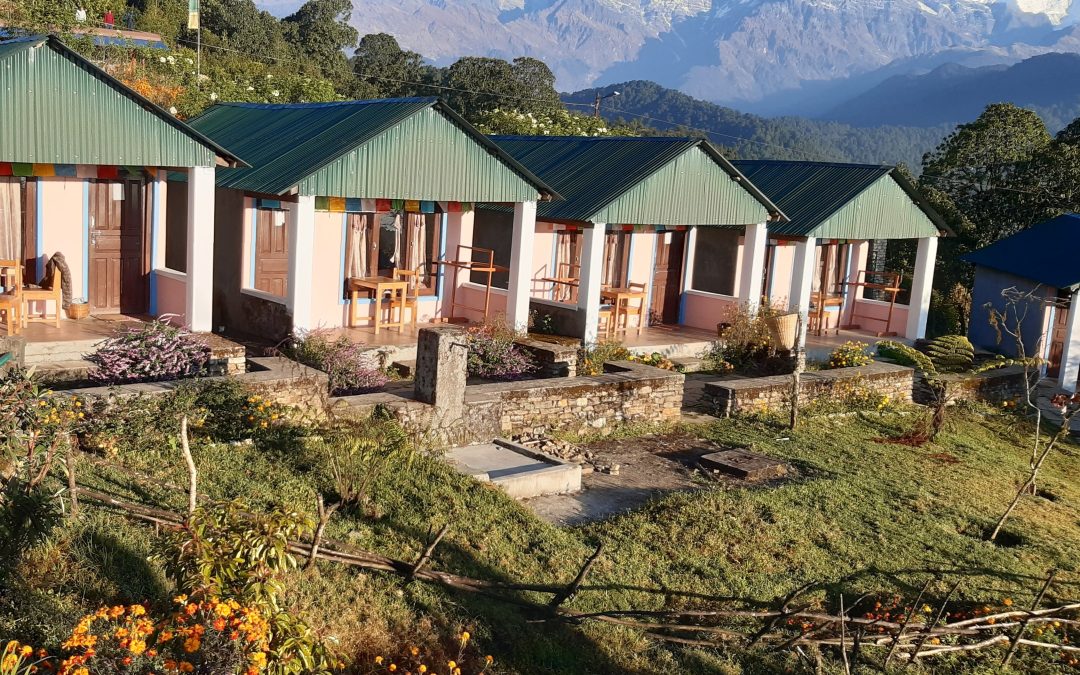
Nepal is a beautiful country with a mixture of different landscapes and natural beauties. With uneven terrains, you might not find high-quality lodges all the time. As a result of that, teahouses come to the rescue. Interestingly, the future of teahouse trekking in Nepal is also going in a positive direction.
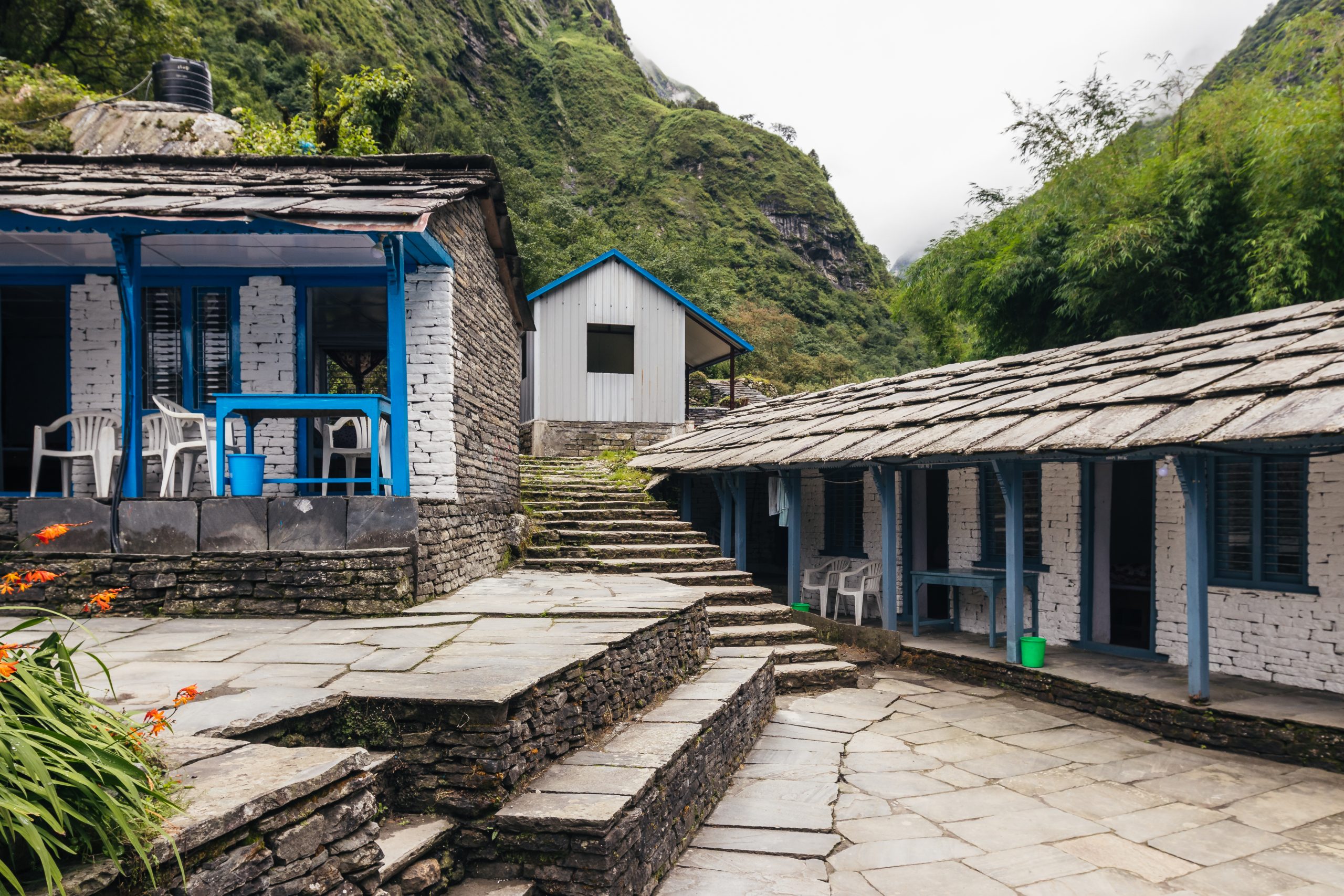
As you reach higher in altitude, the presence of teahouses will be more and more. The major plus point of the teahouse is the blend of culture, local taste, and natural beauty.
If you are reading the blog about teahouse trekking for the first time, this could be the detailed information about the teahouse, the future of teahouse trekking in Nepal, and much more. Stick till the end.
What is Teahouse trekking?
Teahouse trekking is a practice where you stay in the local lodges run by the locals. It is called a teahouse as it is smaller in shape.
With passing time, the future of teahouse trekking in Nepal has gone to a whole new level. From organic food to local culture and having a safe place to stay, local teahouses have overtaken camping too.
It doesn’t matter where you trek from the likes of Everest Base Camp to Annapurna Circuit, Langtang valley, and wherever not, there is the presence of teahouses.
Most of the time, the teahouses are for solo and group trekkers. If you are a trekker with a limited budget and want to experience authenticity, a teahouse is the perfect option for you.
It is evident that teahouses are much safer compared to camping under the open sky. Furthermore, trekkers and agency who wants to support the local communities also go for teahouses.
Future of Teahouse trekking in Nepal
Nepal is entering the phase of aggressive tourism marketing. The Government of Nepal has focused on newer destinations and locations for tourism within Nepal.
As a result of that, the future of teahouse trekking in Nepal looks much more promising. The Trek Nepal over a long period has also experienced the actual beauty and development in teahouses.
Meanwhile, the future of teahouse trekking in Nepal looks promising. Some of the key reasons why it looks positive, and the trends that are shaping teahouses include:
-
Premium teahouses will increase
The first and promising sign for the future of teahouse trekking in Nepal is the quality of the teahouses. With time, the facilities and features in the teahouses have gone higher.
Apart from the basic facilities, the teahouses have been focusing on better facilities. In the future, trekkers will find better rooms, attached bathrooms, reliable WIFI services, hot showers, and digital payments.
Even in recent times, the circuits like Everest and Annapurna are leading the way. This shows the signs are positive for the future.
-
Sustainable teahouses
will be the focus
Dont be surprised if you see a sustainable teahouse concept in the future. Even though sustainability has been followed even in recent times, trekkers will choose a more eco-friendly option.
The future of teahouse trekking in Nepal will move towards solar energy expansion, waste management systems, waste refill stations, local food sourcing, and so on.
With climate change being the key focus of the world, you could see trekkers choosing sustainable teahouses compared to the normal ones. Business in the end will bloom.
-
Exploring a new region
Yes, the future of teahouse trekking in Nepal can’t be limited to the well-known spots. There needs to be a shift to a newer spot, and things are truly happening.
In the future, with crowded trails, you will find new destinations being explored by trekkers. Some of the key trails that might come into existence include Lower Dolpo, Upper Mustang side routes, Makalu region, the Mundum trail, etc.
-
Use of technology
It is not surprising to see that technology hasn’t overtaken these teahouses. The major reason is the altitude factor, along with the lack of service.
But for the future of teahouse trekking in Nepal, you will see technology playing a leading role. Social media will influence the success and failure of any teahouse.
Not only for social media, but the use of online room booking, real-time lodge availability, and mobile payments will also be common.
Although some of the key routes are already following this, almost every teahouse will have these facilities in the near future. It will be a common trend and bring better results.
Challenges for the Future of Teahouse Trekking in Nepal
The future of teahouse trekking might look promising at the moment, but there are challenges are also there.
You will need to be wary that the road construction for better facilities might impact the classic trekking routes. Along with that, climate change is also impacting the mountains.
The case of overcrowding is also another major issue. Even in the present time, you will see too much of a crowd on the Everest and Annapurna trails.
Although the future of teahouse trekking in Nepal looks promising, you will need to focus on improving the quality of services in the mountains, which will require higher operating costs.
There are plenty of opportunities for betterment, growth, and success. But we can’t ignore the issue of brain drain of leaving the home country or even the mountain region for better facilities in the cities. So challenges are there.
Final Thoughts
Over the next 5 years, the teahouse trend will take center stage. The future of teahouse trekking in Nepal does look promising.
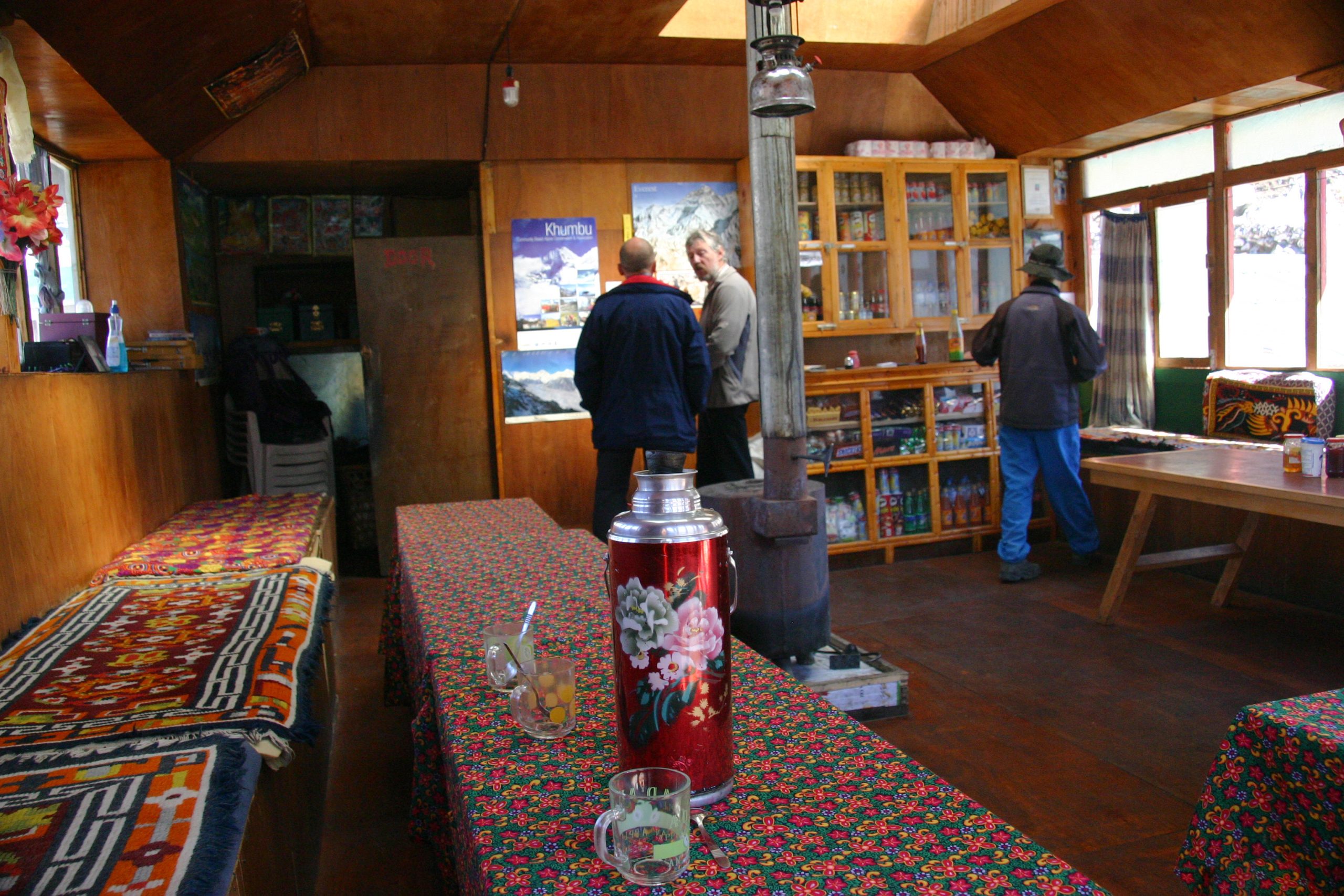
Better facilities, digital booking platforms, luxury mountain lodges, things look better, but we need to be sure of what the limit is.
Some challenges lie ahead. The Trek Nepal is also doing its bit with a major focus on running around the teahouse stay. Almost all of our trekking routes are well equipped with the concept of sustainable teahouse trekking, too.
With Nepal being a land of different altitudes, moving from village to village and staying in local lodges and teahouses will never go out of fashion.
Not only the locals but the Government of Nepal should also keep a major eye on what to expect. It should be the partnership between the government and the locals to get the expected results.
Things look promising, but there is much more to do.