
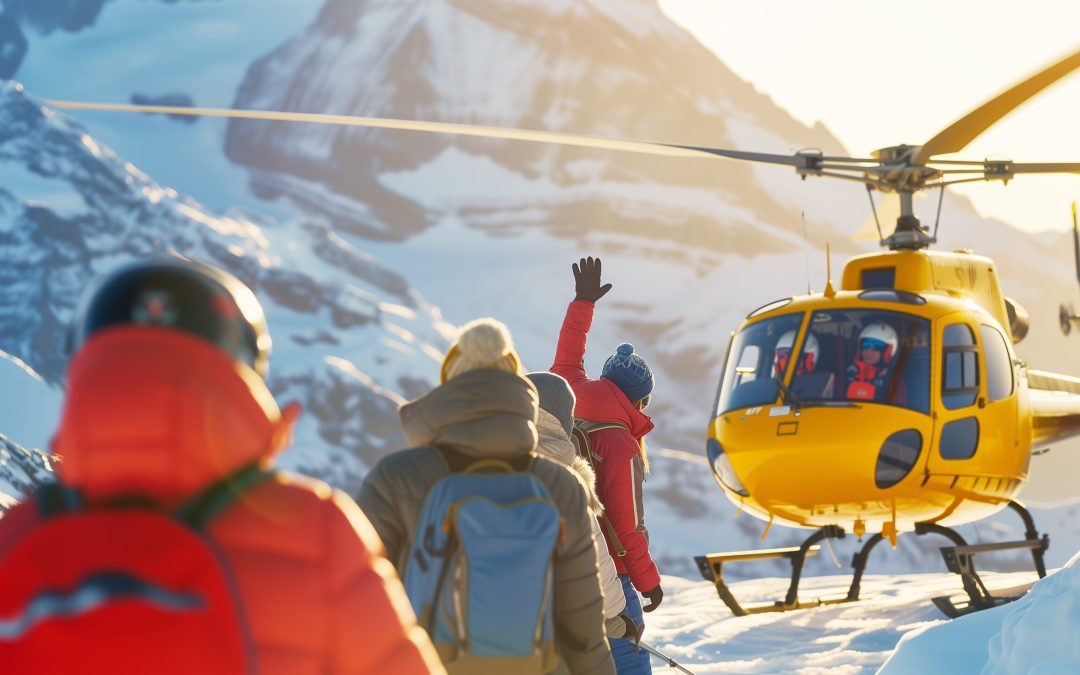
Emergency evacuation in Nepal is one of the rare but key facets when we talk about trekking. 8 of the 10 tallest mountains in the world are present in Nepal. However, in rare cases, you will find the need for evacuation.
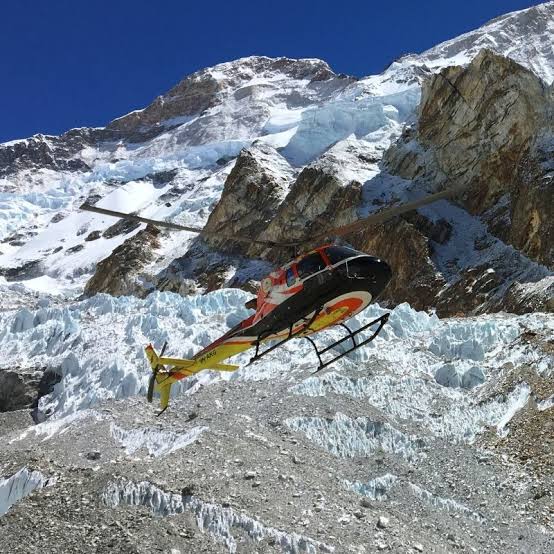
Helicopter evacuation has been the most common way of getting the rescue act in place. But you need to be rest assured that evacuation in Nepal isn’t cheap.
Most of the time, the tourist’s insurance tends to compensate for the overall cost. Travel insurance is the key factor that looks after emergency evacuation along with the medical treatment. The Trek Nepal urges everyone to get their travel insurance sorted before booking for high altitude treks.
Process of Helicopter Rescue
There are a lot of individuals who would be interested in knowing how the helicopter rescue works. The interest peaks to know the actual process that takes place.
Having said that, it is a step-wise process which is followed for the emergency rescue. The process includes:
-
Informing the guide
The first and the key step would be to inform the guide about the issue. If the trekker feels unwell, the guide or porter should know first.
It is they who know what to do best. They will check the situation, provide first aid, and also communicate with the rescue team. It is the quick reporting process that goes on to save the life.
-
Contact trekking agency
After the guide or porter is informed about the issue, they will go on to inform the trekking agency of what has actually happened.
This will allow for proper coordination with the helicopter company and also the insurance provider. As the insurance gets confirmed, the step moves forward.
-
Medical report and rescue approval
As the helicopter arrives and everything is on point, the medical report will be key. In the process of emergency evacuation in Nepal, it is important that you get the medical report.
From the basic symptoms that show to the live condition of the sick trekker, everything needs to be evaluated. Most of the time, the medical team from the trekking agency will get the job done.
-
Transfer to the hospital
After the evaluation, first aid and initial medical checking is done, the transfer to the hospital will be possible. Most of the time, the shift is done either to Kathmandu or Pokhara.
Hospitals will check what the emergency is, get all the tests done, and also keep the patient under observation depending on the condition. The hospital will communicate with the insurance company and get the paperwork done too.
Reasons for Emergency Evacuation in Nepal
Readers need to understand that emergency evacuation takes place mainly at higher altitude. With the requirement of safe passage and avoiding health problems, emergency evacuation is the key.
There could be plenty of reasons for helicopter rescue during trekking at higher altitudes. One of the key reasons would be Acute Mountain Sickness.
Along with that, High Altitude Pulmonary Edema and High Altitude Cerebral Edema are also other key reasons for the evacuation. It is due to these issues that evacuation will be most necessary.
Besides, other key reasons include:
-
Injuries during trek
Injuries can happen to anyone at any time at higher altitudes. The challenges, unpredictability, along with the steep trails can make things difficult.
Having said that, the risk of accidents is also higher. The most common injuries include broken bones, falling rocks on the trekker, along with avalanche-related accidents.
All of these issues will make things far worse than one could imagine. As the injury could turn out to be serious, walking could be hard. So emergency evacuation in Nepal gets the nod.
-
Cardiac issues
Higher altitude needs higher oxygen, and everyone isn’t made for it. Even though the medical checkup is done before the trek, things can change faster. At higher altitude, some trekkers might find it problematic.
Less oxygen tends to put more stress on the body. This could result in chest pain, difficulty breathing, and worse asthama along with; immediate care might be needed.
-
Dehydration and Illness
The last yet major reason why emergency evacuation in Nepal becomes important is due to dehydration issues. Having said that, there are cases when the trekkers could fall ill.
From the likes of severe infections, food poisoning, allergic reactions, and unexpected medical emergencies, things can get worse.
At higher altitudes, high-quality medical facilities could be hard to find. So to reduce the chance of casualties, emergency evacuation with a helicopter also takes place.
Cost of Helicopter Rescue in Nepal
Emergency evacuation in Nepal doesn’t come cheap at all. Even though it is a life-saving process, the overall costs might not be covered by a lot of trekkers.
The cost of emergency evacuation in Nepal tends to vary based on various factors. From the case of difficulty to the time taken and the season, things tend to be different.
The more remote the location, the higher the cost will be. Added to that, approval from CAAN is also key. On average, one rescue will cost around $3000-$7000, but the accurate pricing is hard to guess.
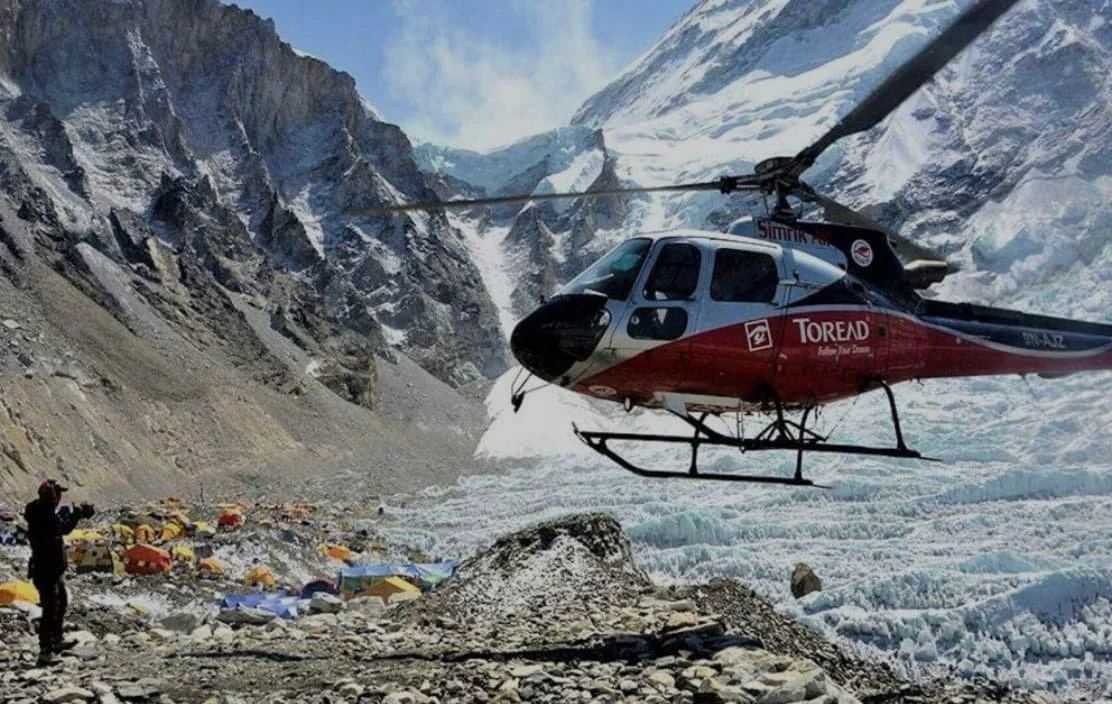
As insurance looks after almost all the overall cost, it will be key to look for the agreements that have been done too. However, if you dont have the insurance, then it is the family of the sick that will look for the overall cost.
Most of the time, this could be financially challenging for a lot of people. So The Trek Nepal would like to suggest all the trekkers get the insurance done right.
This will save you a lot of money and also your life in difficult situations. Quick access to rescue without delays could be the deciding factor for life and death.
Final Thoughts
The Trek Nepal has been performing trekking and peak climbing duties for a very long time. Having said that, the risk of accidents and medical emergencies can never be guessed early.
In all of this, it is critical to understand that emergency evacuation in Nepal comes with a cost. The good news is the insurance company tends to cover the cost.
Even after having the service, the air clearance from CAAN could also play a role at times. If you are worried about how and where to get the evacuation service, you can easily contact The Trek Nepal, as we will help you with the overall process.