It is very important to compare trekking packages if you are thinking about trekking in Nepal. The major reason to do so is to get the right deal when you are planning a trek in Nepal.
Almost all the trekking companies in Nepal provide a similar kind of service; however, it is very important to compare trekking packages for better services.
A lot of the packages might look cheaper at the start, but the services given might not be what you wish to look. Some of the services that might be different could be in the case of permits, meals, guides, etc.
One of the key mistakes that trekkers make when comparing trekking packages is only looking for the price. But you need to look for things like inclusions, accommodation, meals, permits, transport, and other factors.
Some of the key points that help you to compare trekking packages include:
-
Compare the itinerary
The first and key factor to compare trekking packages is the itinerary. The itinerary might look the same in a lot of cases, but it isn’t. The itinerary of the Everest Base Camp trek could be different for 2 different companies.
A different itinerary means that you might have additional days too. Some of the key factors to look for in an itinerary are rest days, alternative routes, daily walking hours, trekking distance, etc.
A proper itinerary will have a good number of acclimatization days along with adjusting the altitude based on your body for better results.
-
Compare inclusions and exclusions
The biggest differentiator when you compare trekking packages is the inclusions and exclusions factor. One package might look cheaper compared to another, but the inclusions might be much less.
Always create a checklist and compare both packages. Most of the trekking agencies include factors like permits, food, accommodations, guide, transport, porter, taxes, service charge, etc.
Similarly, the topics excluded are the flight cost, Nepal visa, travel insurance, hot showers, tips, and helicopter evacuation. Always compare every detail that is being provided in the package.
-
Look for meal and food options
Good quality food is another key factor of a trekking package. Most of the time, the meals include 3 meals a day. But there are some cases when there is only breakfast is provided, which makes a difference.
It is important that you check the itinerary properly. Even though there could be 3 meals in a day, the food choices could also be different. Always be sure whether you can choose from a menu or not.
In most of the cases, the meals include dal bhat, noodles, soups, pasta, eggs, momo, bread, potatoes, vegetables, etc. Be sure whether drinks are included in the package or not.
-
Trekking Permits and Fees
It doesn’t matter which mountain you climb or which trail you trek; you will have to get the right permit to be able to perform the trekking activities. Having said that, you can get the trekking permit either from the Nepal Tourism Board or from the local authority.
When we compare trekking packages, it is clear that trekking permits and their fees can also be different. Based on what your itinerary says, your cost could include permits, conservation area permits, restricted area permits, national park permits, etc.
Your agency might handle the paperwork, but that doesn’t mean they will include everything in the package. Double-check which items are being included and which aren’t for better cost estimation.
-
Cancellation and Refund policy
If you want to compare trekking packages like an expert, you will need to study the refund and cancellation policy properly. There are a lot of cases when the cancellation policy has caused the trek to be a bad experience.
Always check the refund and cancellation policy before you pay your deposit. Look for the cancellation charges, refund conditions, date change policy, flight cancellation procedures, no-show policy, refund processing time, etc.
Added to that, refund and cancellation play a key role if you plan to perform the trek in monsoon and winter conditions. The unpredictability of the weather and conditions makes things harder.
-
Compare safety and emergency support
Just imagine you are trekking at an altitude of 5000m and things get bad. Emergency support and safety play a leading role at that point in time. It is critical to consider the safety costs and conditions.
This allows you to be on the safer side if something bad comes up. Agencies like The Trek Nepal take special care for safety and emergency support factors. Look for emergency contact numbers, first aid kits, evacuation coordination, communication facilities, etc
Lastly, it is important that you have the right travel insurance. The right set of insurance covers activities and altitude that are involved in your trek.
-
Read the review and company experience
One of the easiest ways to compare different policies of the different agencies is going through their image. Most of the time, the company review can be available on the internet, which is easier.
Based on the ratings, reviews, and what fellow trekkers have to say, choose that agency. In the case of The Trek Nepal, we have the best reviews and ratings. Not only that, but you can also inquire with fellow trekkers.
Moreover, looking at the experience of the company is valuable. Trekkers should be sure whether the agency has experience in high-altitude trekking or not. This makes the overall job easier.
-
Look for hidden costs
Hidden costs are what make or break the experience of the trekker. A package provided by some agencies might be cheaper compared to others, but the hidden cost could be the actual killer.
A lot of the time, it is the hidden or extra costs that make the overall difference. From the likes of hot showers to wifi, charging, coffee, snacks, equipment rental, additional permits, and tips, the final cost could skyrocket.
You should always be sure whether there are any hidden costs or not. It is genuinely important that you ask the agency whether they have any more costs other than the exclusions. This makes the job easier.
-
Transportation Details
One of the last factors that helps you to compare trekking packages like an expert would be the transportation details. A lot of trekking packages allow you to get transportation included, but it is not as easy as it seems.
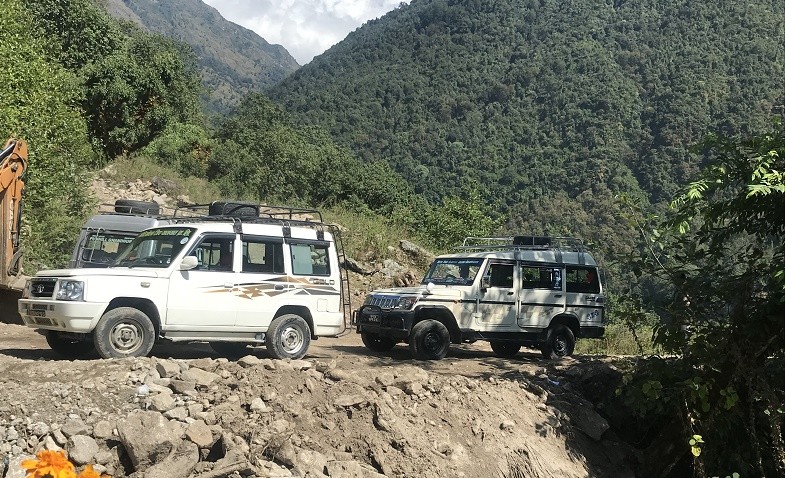
When you hear transportation included, always be sure what kind of transportation we are talking about. Whether it is a private or public bus, tourist or local, or whether domestic flights have been included or not.
If you are trekking at high mountain altitude, the mountain flight and transportation arrangement becomes much more important. Moreover, you should also check what actually happens when the transportation is either delayed or cancelled.