
Nepal is one of the richest countries when it comes to flora and fauna. Having said that, the beauty lies in the national parks as well. They help protect rare animals and plants. The role of national parks in protecting wildlife is often underrated.
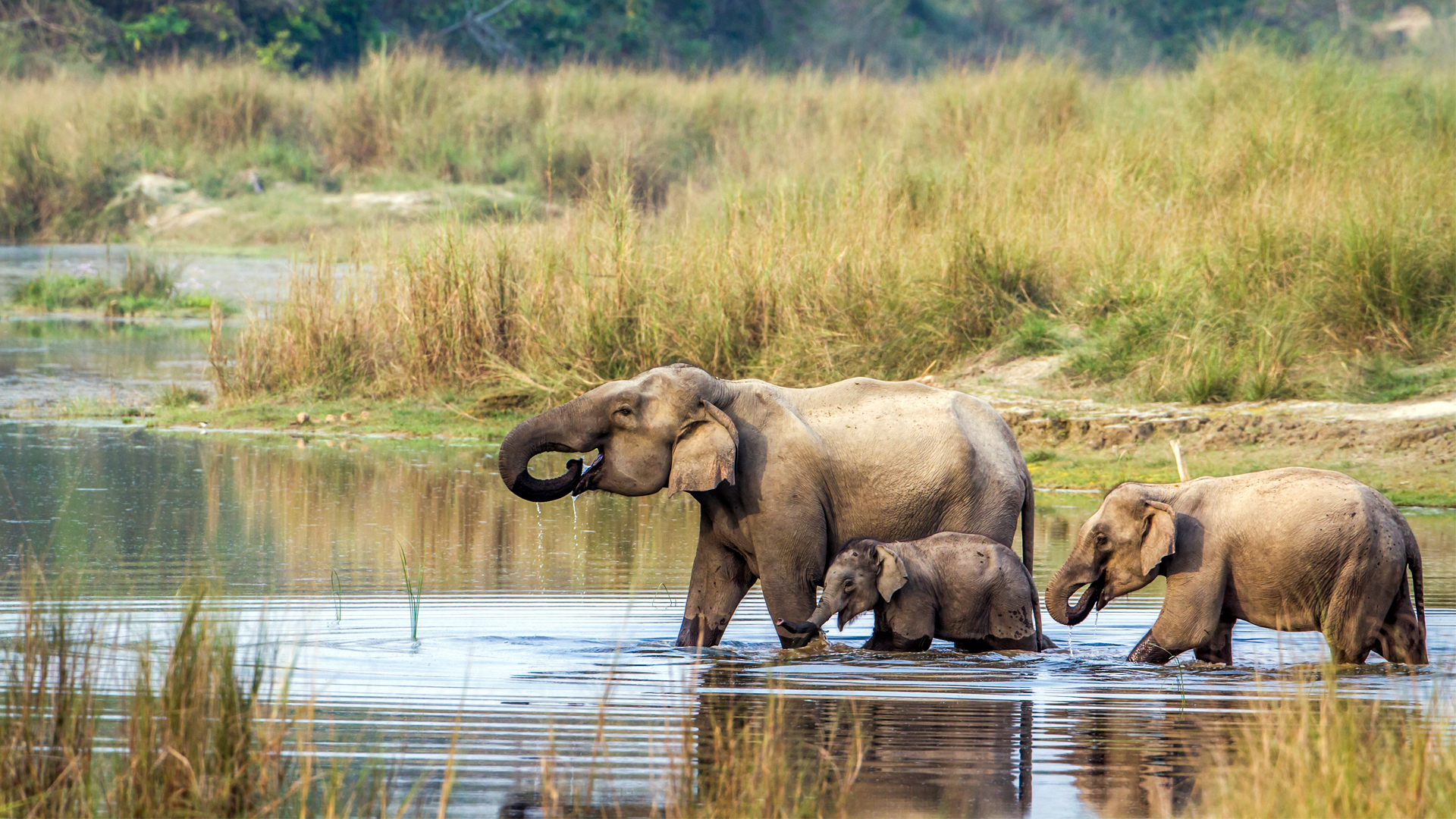
It is the national parks which provides the rare animal and plants to enjoy their natural habitat. From red panda to one-horned rhino, snow leopard to a variety of birds, the options are plenty.
National parks not only help in the protection of wildlife but also help in preserving the natural habitat. It also protects animals from illegal hunting and promotes responsible tourism.
The Trek Nepal would like to discuss the actual role of national parks in protecting wildlife.
-
Saves natural habitat for Himalayan wildlife
One of the key roles of national parks in protecting wildlife is saving the animals and plants in their natural habitat. There are different species that require different landscapes to survive.
National parks provide you with the right environment for saving the natural habitat. Snow leopard require rocky mountain landscapes, red panda temperature forest with bamboo while deers look for forest areas.
It is a well-calculated step that preserves the national parks. It protects the natural ecosystem, allowing the wildlife to survive on their own.
-
Protects Endangered and Threatened Species
National parks play a key role in the protection of rare and endangered wildlife. Having said that, Nepal is able to protect rare species like snow leopards, red pandas, musk deer, and Asian elephants, where national parks play a key role.
All the animals get the protection and required space for survival in their own habitats. National parks like Shey Phoksundo National Park and Langtang National Park play a key role in saving different habitats.
Shey Phoksundo is important for snow leopard conservation, while Langtang is famous for the red panda habitat. Not only protection, but national parks also help in wildlife monitoring and creating plans for their safety.
-
Controlling illegal hunting and wildlife trade
The biggest role of national parks for wildlife protection would be stopping illegal hunting and wildlife trade. The forests of Nepal are filled with rare animals that can be sold for a higher price illegally.
With national parks, the unwanted activity of illegal hunting can be stopped. Activities like poaching and the illegal wildlife trade can be stopped, which massively saves wildlife.
Moreover the conservation approach of wildlife is also well supported by government agencies, organizations, and local communities. The combined efforts are key for positive results.
-
Ecological balance and biodiversity
Every animal and plant that is present in nature brings a sense of ecological balance. With national parks, we can protect all the species in their natural habitat and best form.
If any of the species go extinct, it tends to impact the overall balance of nature. So the role of national parks revolves around maintaining the balance of ecology and biodiversity.
National parks are known to protect the interconnected ecosystem rather than just one or two species. As a result of that, the conservation activities help in the protection of forests, water sources, vegetation, wildlife habitat, etc.
-
Presence of community participation
The role of national parks in the protection of wildlife is highly dependent upon the local community around the area. It is their strong participation which allows for better safety and protection of the wildlife.
The local communities come together in various conservation programs which include forest protection, anti-poaching patrols, awareness programs, along with sustainable natural resource management.
One of the best examples of community participation is the Chitwan National Park. Locals from the area have participated in conservation and tourist-related activities, making the protection of wildlife even easier.
-
Promotes responsible wildlife tourism
National parks have been protecting wildlife for a long time. What’s more enticing is the fact that national parks help in responsible wildlife tourism as well. What’s beautiful is the fact that you can experience diversity while supporting conservation and local livelihoods.
All the national parks welcome trekkers and tourists who are interested in wildlife observation, birdwatching, jungle safari, photography, etc. These activities allow income generation for the local communities.
Even though Nepal is rich in cultural heritage and beauty, it is important that we manage it properly. Crowding, disturbing animals, and misuse of the available resources need to be stopped for responsible tourism.
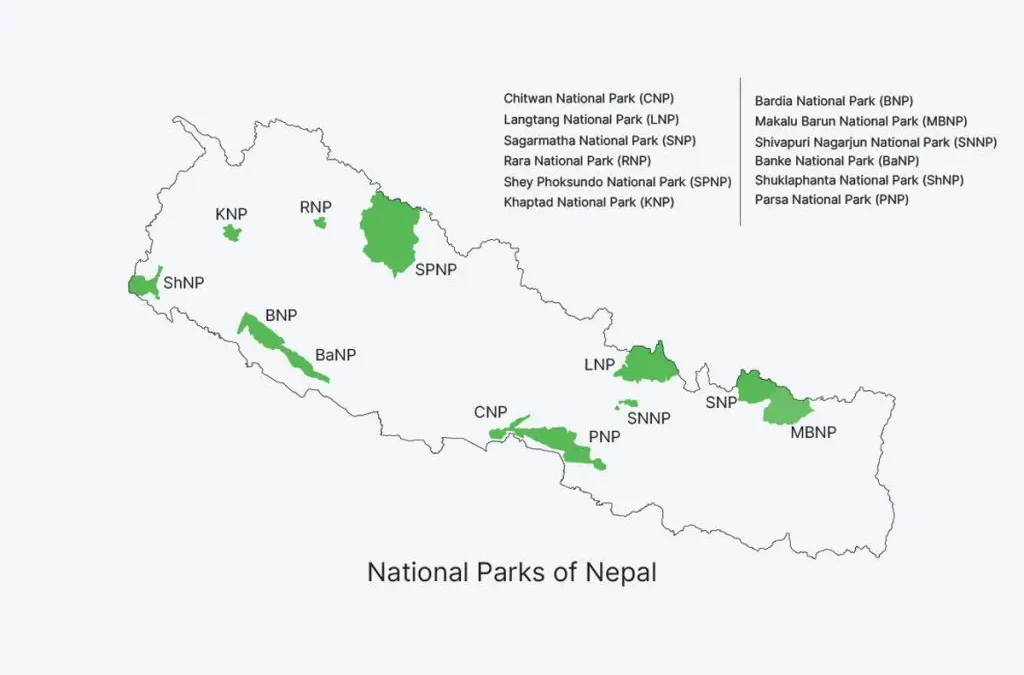
List of Major National Parks in Nepal
The role of national parks in the protection of wildlife is massive. Not only in one part of the country, but there are national parks all around.
Starting from the Eastern side of Nepal, you will find national parks up to the far western part of Nepal. Some national parks focus on protection of high-altitude animals, while others focus on wetlands, grasslands, etc.
The well-known national parks in Nepal are:
- Chitwan National Park
- Bardia National Park
- Langtang National Park
- Sagarmatha National Park
- Shey Phoksundo National Park
- Makalu Barun National Park
- Rara National Park
- Khaptad National Park
Final Thoughts
The role of national parks in the protection of wildlife and nature has been massive. It is fair to say that it is the proper planning and also execution that has helped us to protect the most endangered animals with ease.
As easy and simple it may seem, things aren’t easy at all. Habitat fragmentation, illegal hunting and trading, etc., result in massive challenges for the government.
With The Trek Nepal, we can plan the right trekking for you. Trekking in places like Annapurna and Sagarmatha allows you to visit these national parks and also understand their value firsthand.
Nobody can deny the massive contribution of national parks to the protection of wildlife. But it can’t be a one-time job. There should be continuous efforts from government authorities, conservation organizations, trekking agencies, along with the local government and people.
It is only a joint effort that can be helpful to bring the right results. The safety of national parks isn’t only about protecting the species but also the natural heritage and the countless species. The Trek Nepal works with the government and we also insist all the guest towards responsible tourism.