Weather forecasting for mountain expeditions is key if you are thinking about a safe and successful mountain climb. There are a lot of trekking agencies that depend on better forecasting.
The same is true for The Trek Nepal. In the modern trekking world, there are advanced machines and technologies that help in proper prediction. In the past, weather forecasting for mountain expeditions took place through instinct and hard-won patterns.
Mountain weather is massively changeable, which could be hard to predict and also get the required results. However, there are some major processes that The Trek Nepal follows to get the right results.
Why Is Weather Forecasting For Mountain Expeditions Difficult?
Food, accommodation, logistics, trekking plans everything can be arranged based on your need but the weather forecasting could be impossible to say the least.
There are plenty of reasons why weather forecasting for mountain expeditions is difficult. One key reason is that peaks in Nepal remain at 3 major atmospheric systems.
They include the South Asian monsoon, the Central Asian Westerly jet stream, and local wind patterns. With the mixture of the three, it is impossible to accurately predict the weather forecast.
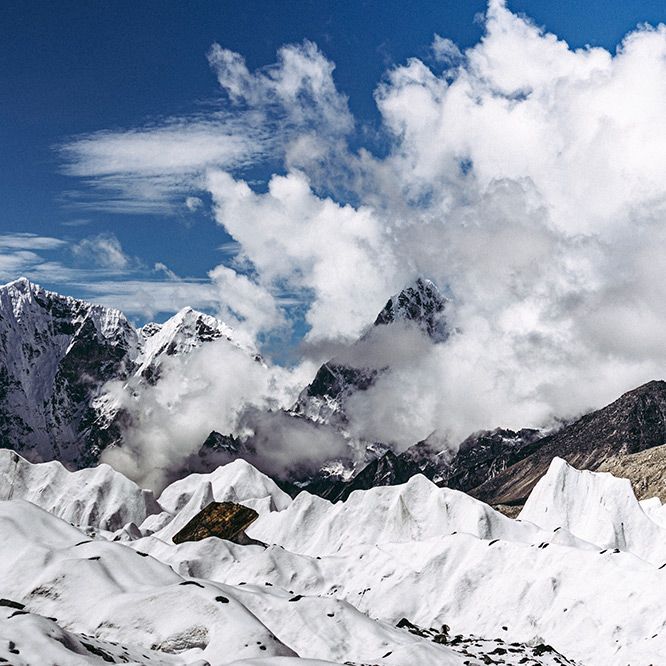
When you are trekking in the EBC range, you could see sudden weather changes, which could result in poor visibility pretty quickly.
Interestingly, the higher you go the weather condition keeps on changing. A slight change in weather could result in a massive problem at a higher altitude. Based on these reasons, predicting the weather is tough.
Modern Weather Forecasting Tool
In the past trekkers would have to highly depend on the pattern to get the forecasting right but things have changed in modern day and age. There are plenty of modern tech used for forecasting now.
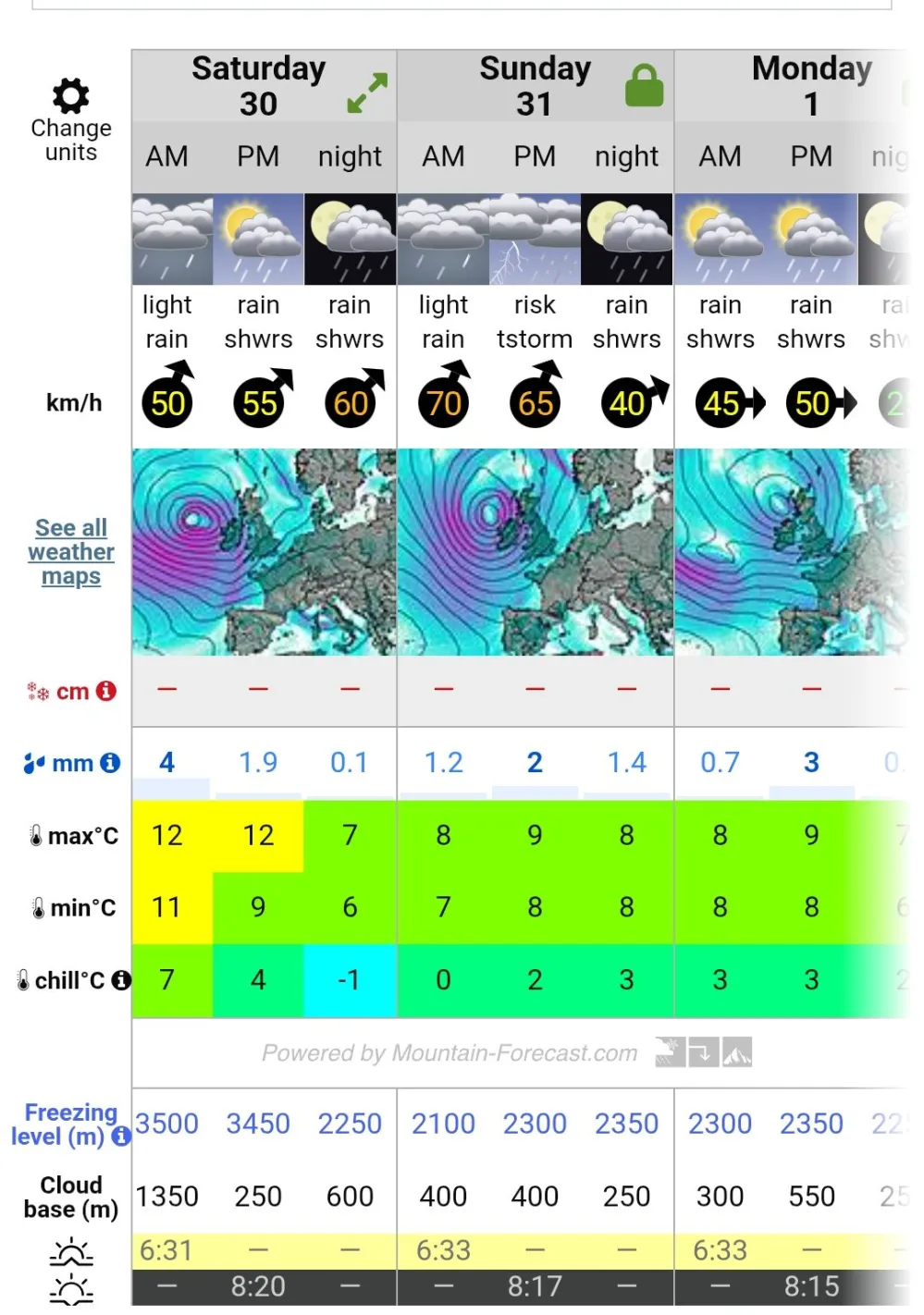
Global weather models, specialist mountain forecasting, and satellite data are key. Along with that, tools like Meteoblue, Himalayan Weather, and XCWeather also come in handy.
Due to the modern technology available, trekkers receive daily forecast updates related to wind speed, direction, and other key factors. All this data is stored and reviewed to get the right information.
Types of Forecasting For Weather Forecasting
If you are thinking that weather forecasting for mountain expeditions is an easy job, you are mistaken. There are various patterns, rules, and formulas to look into.
In order to get the right result, there are two types of forecasting that work wonderfully.
-
Short-term forecasting
Short-term forecasting takes place 2 to 3 days before the actual trek. The tools available for weather forecasting are used to get more accurate results in short-term forecasting.
Short-term forecasting is mainly useful to predict the temperature, chances of rain, along with the freezing levels that might appear during the actual trekking day.
-
Long-term forecasting
Long-term forecasting of the weather could result in bad guesses. A lot of trekkers would know that weather forecasting for mountain expeditions is better 10 days before the actual trek.
In the case of long-term forecasting, we look for patterns and weather patterns for more than 10 days. This is used to get the general idea of the place. General trends, monthly highs and lows, along with average rainfall, can be guessed through long-term forecasting.
Key Role of Weather Forecasting
Weather forecasting for mountain expeditions saves lives, to say the least. As easy as it might be to say. Weather forecasting requires major experience, skill, and results, to say the least.
Correct weather forecasting is the single tool that allows the trekker to know whether or not their trekking journey will be successful.
Some of the key roles of weather forecasting for mountain expeditions are:
Prevention of fatal issues
The biggest role of weather forecasting is to protect the trekkers from major mishaps. In the case of trekking when the weather drops to negative temperatures, there is a chance of hypothermia, which is a problem.
Not only that if you can forecast the weather in right manner, there is higher chance of avoiding the storm along with avalanche which can turn out to be fatal.
A good trekking company like The Trek Nepal uses weather forecasting to get the right descending plan too. Not only climbing to the top but getting back down is also critical and weather forecasting helps you to get back safely.
-
Identifying the right moment
In case of weather forecasting, it allows you to have the right window for the trek. A lot of the time, selecting the right weather is key. Autumn and spring are the best times, but the specific window of a week is key.
Through weather forecasting, you get the right timing for getting to the top of the summit. Weather forecasting allows you a safe window, stable conditions, and manageable cold.
Not only that, but you also get 3 to 5 days of lead time, which clearly allows for a safe jump into the trekking territory. All in all, weather forecasting can be a lifesaver.
-
Proper Logistics management
Trekkers might be confused as to how weather forecasting can help with logistics management. Well, it can. When you have data of the weather, there is chance of acclimatization rotation.
You will know the rain and wind rotation cycle, making things easier. Better knowledge of the wind and rain rotation cycle makes helicopter rescues an easier task.
Better visibility and low wind parameters are a must for helicopter rescue. So better weather forecasting for mountain expeditions plays a key role in keeping all the trekkers safe.
Final Thoughts
Weather forecasting in the last decade has changed massively. Having said that, the modern tools for weather forecasting bring in better and more accurate results for the trekkers.
Weather forecasting for trekking expeditions allows you to be safer, have a better experience, and also get the right outcome for the trek. It doesn’t matter whether you are doing a tough trek like EBC or an easier one like Mardi Himal; a proper forecast is a must.
There are different approaches to weather forecasting be it short term and long term process. It totally depends upon the trekking agency. At The Trek Nepal, our key focus is on short-term forecasting.
This allows both the guide and the trekkers to have a clear idea. If you want to know in detail about it, feel free to connect with The Trek Nepal.