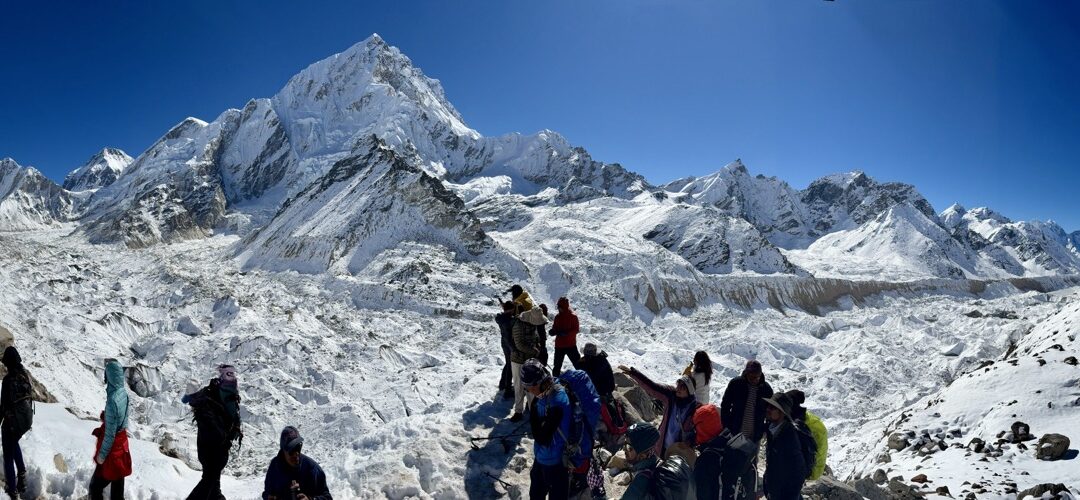
Trekking doesn’t always mean the race to reach the top. But it is much more than that. When we talk about slow trekking in Nepal, it is about exploring the natural beauty, the people, and also taking your time.
Anyone who has limited time and has to rush back to their daily life can hardly do slow trekking in Nepal. Having said that, slow trekking in Nepal allows you the time to understand the deeper side of Nepal.
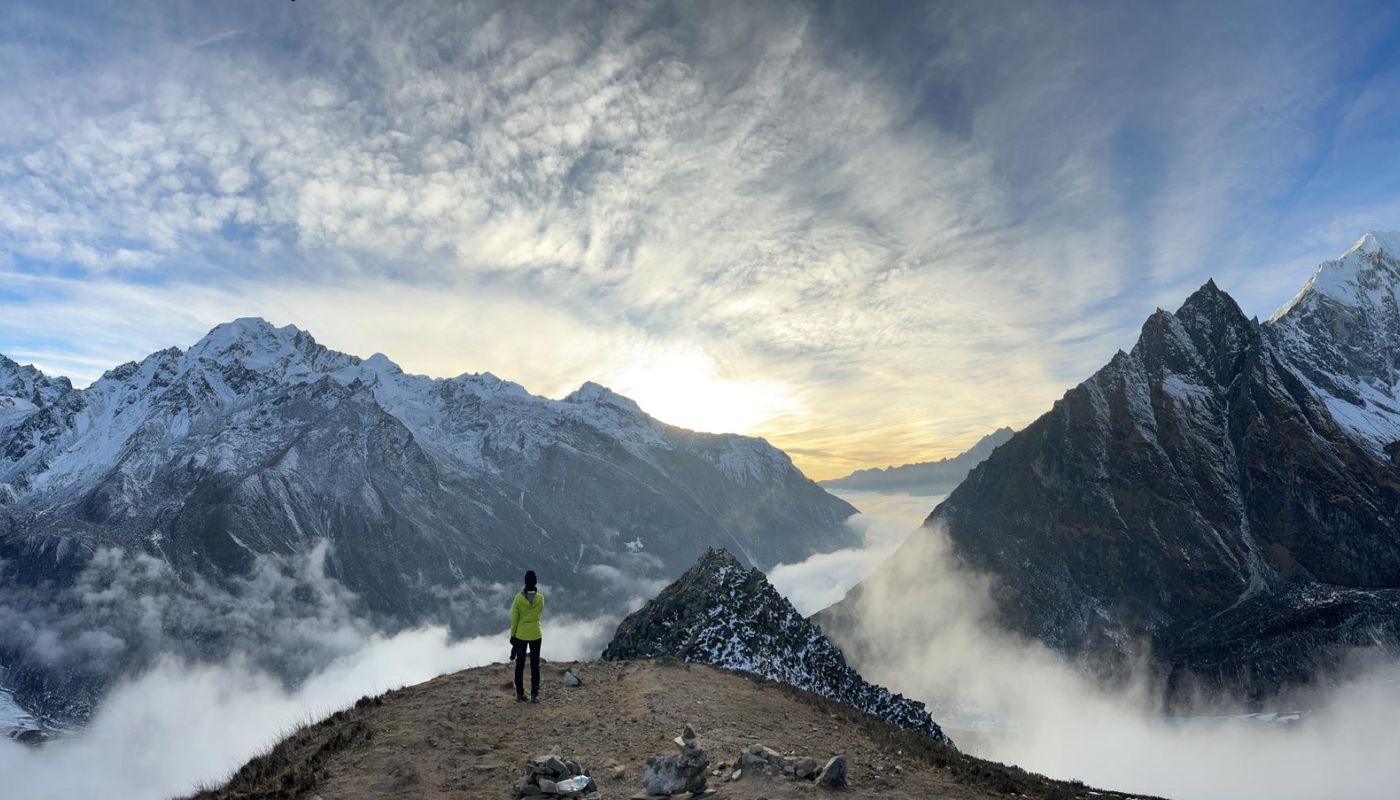
Slow trekking in Nepal generally can be done on any route. What’s important is the fact that you extend the actual trekking days and give proper time to acclimatization and recovery.
What is Slow trekking in Nepal?
If you are interested in slow trekking, you might be asking yourself what it actually means. Well, it doesn’t mean you stay at luxury hotels or that the trek is going to be easy.
It is much more than that. During slow trekking in Nepal, we focus more on increasing the acclimatization days. This allows the trekker to take things very slowly.
You will have more time to adjust to the environment, and the chances of altitude sickness is lesser. Meanwhile, slow trekking in Nepal also prioritizes following the guide.
There is enough time for you to evaluate, talk, and enjoy nature. Not only that, slow trekking allows the guide and agency like The Trek Nepal to adjust the pacing of the trek.
The intentional pacing allows the pressure to ease and enjoy the trek. It is not a race against other trekkers but doing things your way.
Best Options for Slow Trekking in Nepal
-
Langtang Trek
One of the less talked but highly potential trekking options is the Langtang trek. Better known for its remoteness and also fewer crowds, the Langtang trek provides you with a brilliant opportunity,
On average, you will be heading for 3500m with a maximum of 4-5 hours of trekking every day. This is one of the best slow trekking options in Nepal. The best time to perform this trek is during the months of March to May and September to November.
Some of the key landmarks during this trek include Langtang village, the peak itself, Kyanjin Gompa, etc. You will find homestays and basic lodges for accommodation.
-
Upper Mustang
Upper Mustang is hard to reach but a place that is worth your time and effort. When we talk about Upper Mustang, you will have to allocate more than 2 weeks to complete this trek.
The Upper Mustang trek takes you around 3800m, and you will need a special permit to visit some restricted regions. With The Trek Nepal, we will be able to provide you with access to these zones too.
Upper Mustang is famous for the forbidden kingdom of Lo Manthang. Red cliffs, barren deserts, Buddhist monasteries, caves- it feels like the traveler has gone back in time with the Upper Mustang trek. It will take you 17 days to complete this journey.
-
Manaslu Circuit Trek
People dont talk about it much, but the Manaslu Circuit Trek also falls into the list of slow trekking in Nepal. If you have enough time and want to explore the beauty of less traffic, Manaslu could be the right option.
The biggest highlight of the region is Larkya La Pass, which is present at an altitude of 5106m. You will have to walk around 4-5 hours every day to complete the trek. Manaslu Conservation Area is also another focus region for trekkers.
Manaslu is mainly influenced by Tibetan culture, and with slow trekking you will have enough time for acclimatization. Forests, rivers, barren lands the landscape is versatile.
How Is Slow Trekking in Nepal different from a standard trek?
To the curious trekkers who want to know, yes, a slow trek is different compared to a standard trek. Having said that, you will reach all the places and hit all the landmarks, but the slow trek is quite different.
In the case of the standard trek, we will have 6 to 8 hours of trekking every day, but for the slow trek it is 5 hours on the maximum. We will practice daily yoga, meditation, and breathwork on the slow trek; however, the standard trek doesn’t include that.
On the other hand, the standard trek is aggressive as we aim for the goal, but the slow trek is more about gentle acclimatization activities. Anyone who is looking to achieve a goal always selects the standard trek, while someone looking for mindfulness and recovery goes for the slow trek.
Preparations Required For Slow Trekking in Nepal
A lot of the readers who have come this far might think slow trekking in Nepal is easy. Well, that is not the case. You will need to prepare both physically and mentally to complete even the slow trek.
As the concept of slow trekking grows, you will be spending more time in the mountains, where the remoteness could test your patience mentally most of the time.
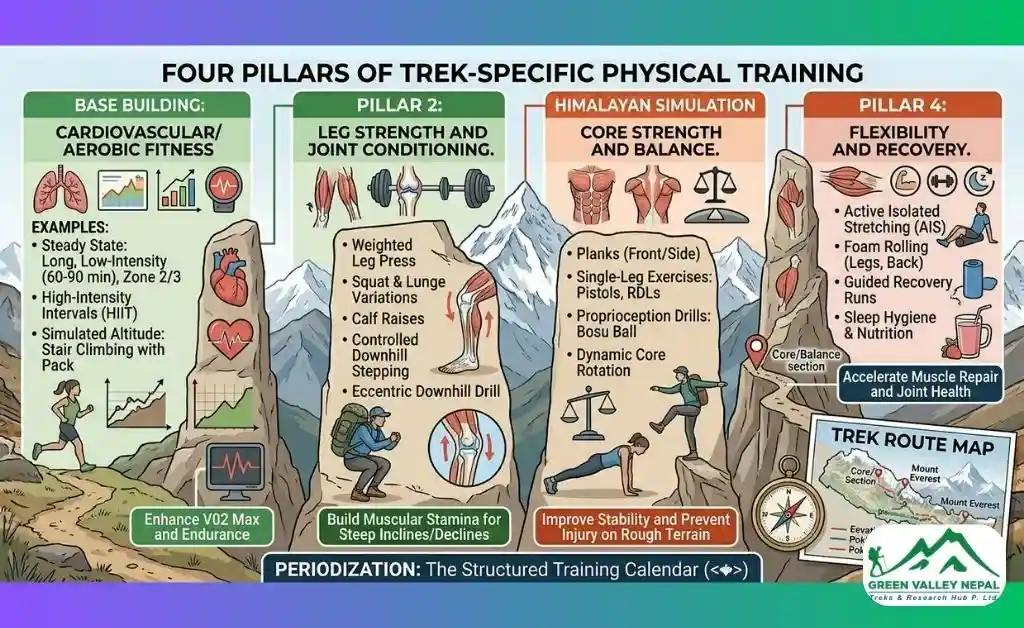
When we talk about physical preparation for slow trekking in Nepal, you will need to start walking for 3 to 3 times a week for at least an hour.
Try to perform some cardiovascular and strength training, which allows you to complete the slow trek with great ease. Also try to lose some weight and maintain healthy eating.
In the case of mental preparation, though, try to remain calmer. Not only that practice yoga, meditation which will help in proper recovery which will be caused by physical strain during the trek.
What The Trek Nepal suggests is to create a journal for everyday habits that will be helpful for you on the trek.
Final Thoughts
Slow trekking in Nepal isn’t for everyone, as you need to have proper time to mark and complete the trek. Compared to a goal-based standard trek, a slow trek is different.
The journey in a slow trek starts at 6 am in the morning ending at 4 in the evening, which is way too different compared to the standard trek. You will need to be dedicated, prepared, and physically fit to complete the standard trek.
There are a lot of trekkers who are still confused whether a slow trek is for them or not. Well, it totally depends upon the goal you are setting. If you are confused, The Trek Nepal is here to help you.
Based on your time, goals, and budget, contact The Trek Nepal. Not only will we help you with the itinerary, but also provide a clear plan that helps you to successfully carry out the slow trekking in Nepal option.