
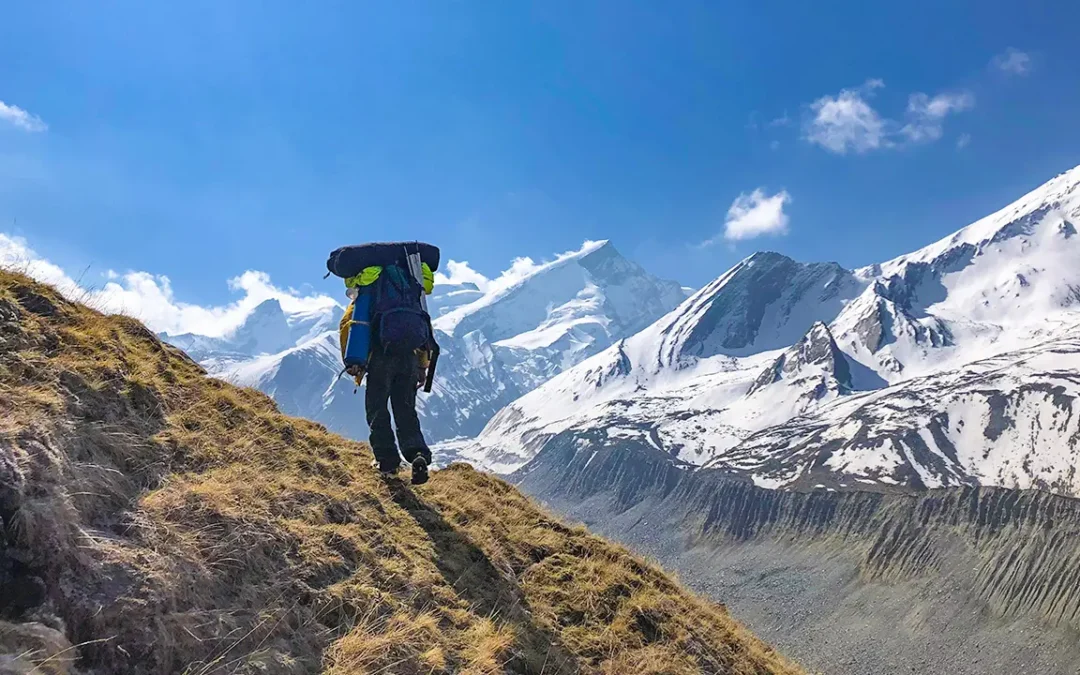
Trekking acclimatization is one of the key factors when we talk about trekking at higher altitudes. It is almost impossible to complete any trek above 5000m if you dont have a proper plan for acclimatization.
In order to solve this issue, The Trek Nepal plans its trekking route carefully around proper acclimatization. For readers unaware, you will need to rest every 1000m after you descend from 3000m.
The satisfaction and achievement of climbing the highest peaks and seeing great mountains is unmatched, but you need to be careful about what to expect during the trek.
It doesn’t matter whether you have years of experience or not; trekking acclimatization is key, and the same for everyone. If you plan acclimatization well, you will have a worthwhile experience.
Acclimatization and its importance
Acclimatization is the process of a human body adapting to the extreme altitude that we gain during any trek. As you trek to higher altitudes, the level of oxygen tends to decrease most of the time.
When the air gets thin and the level of oxygen gets limited, your body takes time to adapt to this situation. This overall process is called trekking acclimatization.
With high altitude trekking being the key aspect of tourism, acclimatization isn’t just another term but much more than that. The importance of acclimatization in a high-altitude trek is unmatched.
Any trekker who isn’t able to acclimatize properly can have serious health issues at a higher altitude. Altitude sickness is a common phenomenon if you take acclimatization lightly.
Some of the key signs of altitude sickness include breathlessness, fatigue, dizziness, loss of sleep, and other major issues. Poor trekking acclimatization could be fatal at times.
Acute mountain sickness, high-altitude pulmonary edema, High Altitude Cerebral Edema are some of the common issues with high altitude.
The biggest issue would be hypoxia, which means a certain part of your human body stops functioning. To be safe from all of these issues, you need to follow the rules of acclimatization.
What Happens on Trekking Acclimatization Day?
There is a major misconception that the trekker fully rests during the acclimatization day, which is wrong. A typical day of acclimatization doesn’t mean you will rest.
An acclimatization day means that you will be doing activities left, right, and center. Trekkers will stay at the same village but climb higher and perform shorter treks.
After the early morning breakfast, everyone’s health condition will be checked. If everything looks fine, the plan for the short hike gets executed. It will be a slow pace and start to gain height.
During midday, we will rest, take photos, enjoy the views, and also rest. We will stay at the higher altitude to give the body a chance to adapt. After spending a chunk of time at the higher altitude, we return to the lodge.
During the afternoon, we take rest, drink lots of water, relax, read books, visit the local village, and do recreational activities of recreation. As we perform all of these quiet activities, our body slowly adapts to the altitude.
Tips for Proper Trekking Acclimatization
It doesn’t matter whether you are doing the Everest Base Camp trek or the Mardi Himal trek; acclimatization is a key factor for a successful trekking experience.
It is only proper trekking acclimatization that allows you to have the right trekking experience. Having talked about the importance of acclimatization, it is important to know some tips that help.
The Trek Nepal understands that acclimatization isn’t achieved by walking some steps, but you need to do it on a regular basis. Some of the key tips that can be helpful include:
-
Stay hydrated
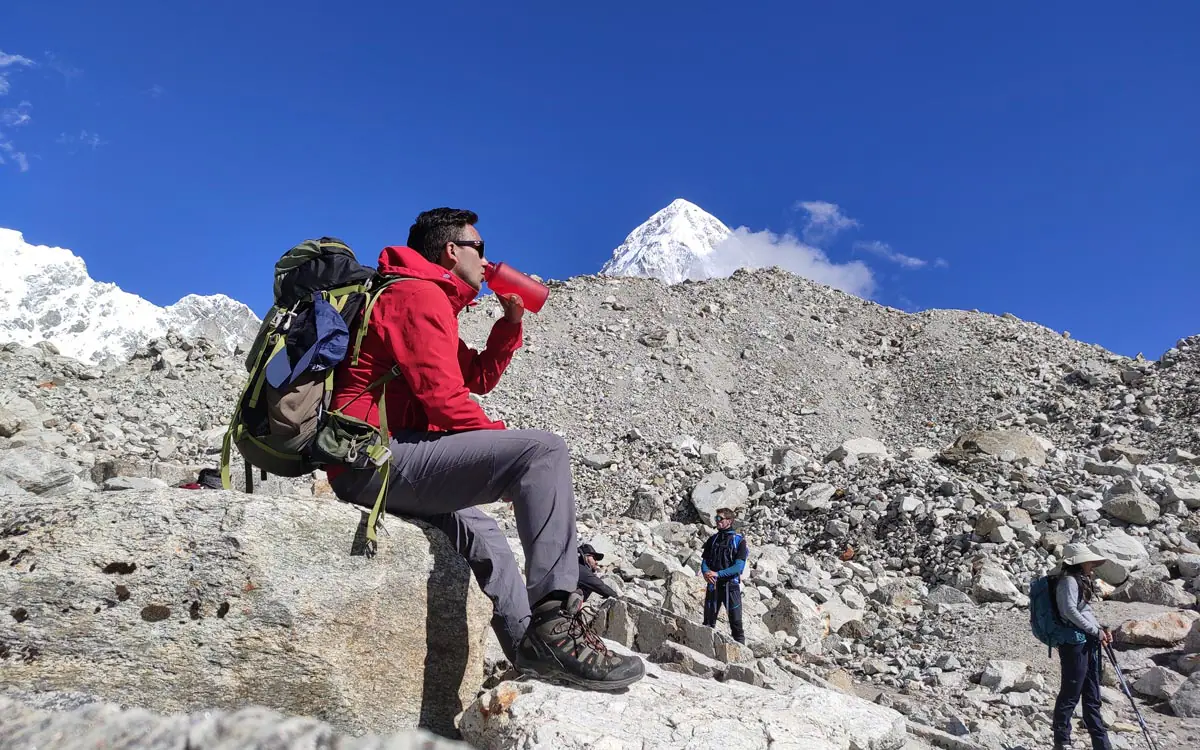
The first and key tip for trekking acclimatization is to stay hydrated. As you climb to higher altitudes, there is a major chance that you will lose body fluid through sweat.
So drinking a lot of fluid is a key step. Always avoid alcoholic beverages and caffeine-related drinks, but go for plain water or even juice.
-
Take Your Time
Trekking isn’t a sprint but a marathon. Always take your time when you want to reach the top. Rushing to the top means that you won’t be able to adapt to the tough situations.
As you cross beyond 3000 m, always take 300- 500 m as the altitude gain. You might be able to do more physically, but your body won’t be able to adjust to the rapid change, which is the issue.
-
Eat a balanced diet
A balanced diet is important for trekking acclimatization. If you aren’t able to adjust to the changing altitude with a balanced diet, things might be an issue.
The Trek Nepal plans the overall diet for the trekkers in a calculated way. With the help of the medical team, we plan the carbohydrate-rich food, allowing you to metabolize better.
-
Respect your symptoms
An underrated tip for trekking acclimatization would be to respect your symptoms. As you gain higher altitude, there is a major chance of dizziness, nausea, headache, and other issues.
If you are thinking of ignoring these mistakes, then it would be a mistake. The medical team of The Trek Nepal allows you to examine all of these signs and act on them.
-
Climb High Sleep Low
A golden rule of trekking acclimatization is climbing high and sleeping low. You might gain an altitude of 800m, but you need to come down if you want to sleep.
This will help your body to adapt better and also help with the increase in altitude. After you reach the campsite, you must go for a short hike at a higher altitude. However, you need to come down to sleep.
Medication For Altitude Sickness
Medication is the last step that we follow when no other solution works to treat the issue of altitude sickness. In the rarest of cases, the body doesn’t adapt to the measures taken for altitude.
In that case, the medical team suggests that you take Diamox tablets, which treat the symptoms of altitude sickness. These tablets are better known to treat nausea, headache, dizziness, tiredness, etc.
But The Trek Nepal doesn’t suggest that you take these medicines directly. You will need to consult the medical team, check your condition, and only take the medicines.
The effect of Diamox tablets can be severe if the medicine doesn’t suit your health condition. So always check your health condition before consuming Diamox.
Final Thoughts
Trekking acclimatization isn’t as easy as you think, or it isn’t any rocket science, either. You will need to be absolutely perfect on your itinerary, planning, and the overall execution.
It is proper acclimatization allows you to be safe from altitude sickness and other issues. Failure to plan can result in various health issues which can be fatal.
The Trek Nepal, with experience of decades have been providing proper acclimatization, itineraries, and experiences for interested individuals. If you are also keen to know more, connect with The Trek Nepal.