
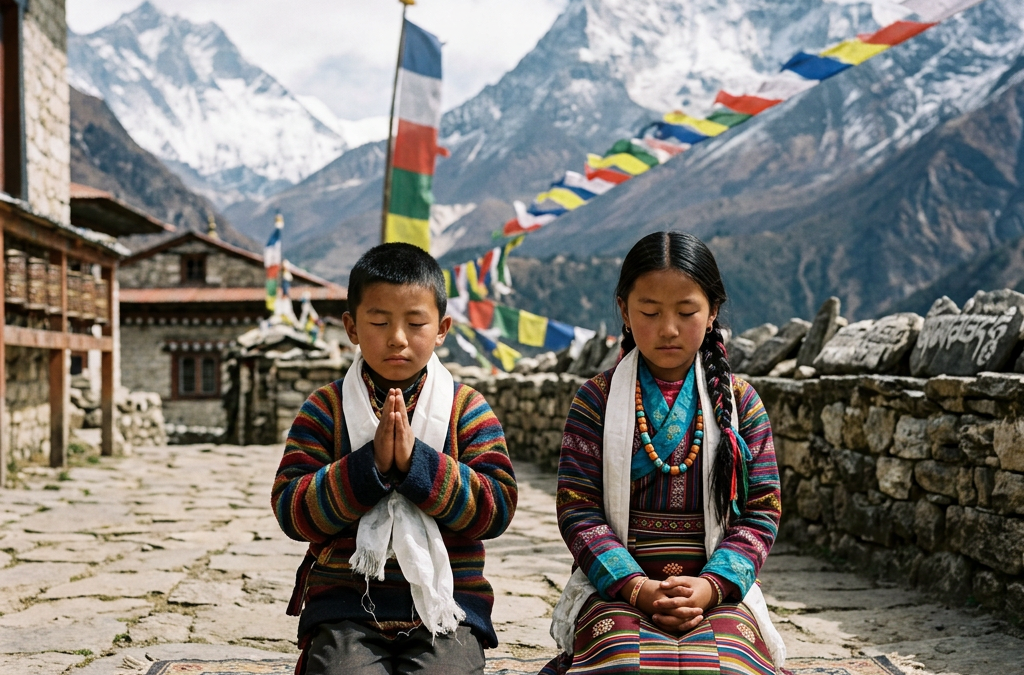
No trek in Nepal is possible without the presence of Sherpa people. It is their skill, experience, and dedication that make trekking, peak climbing, and expeditions easier successes.
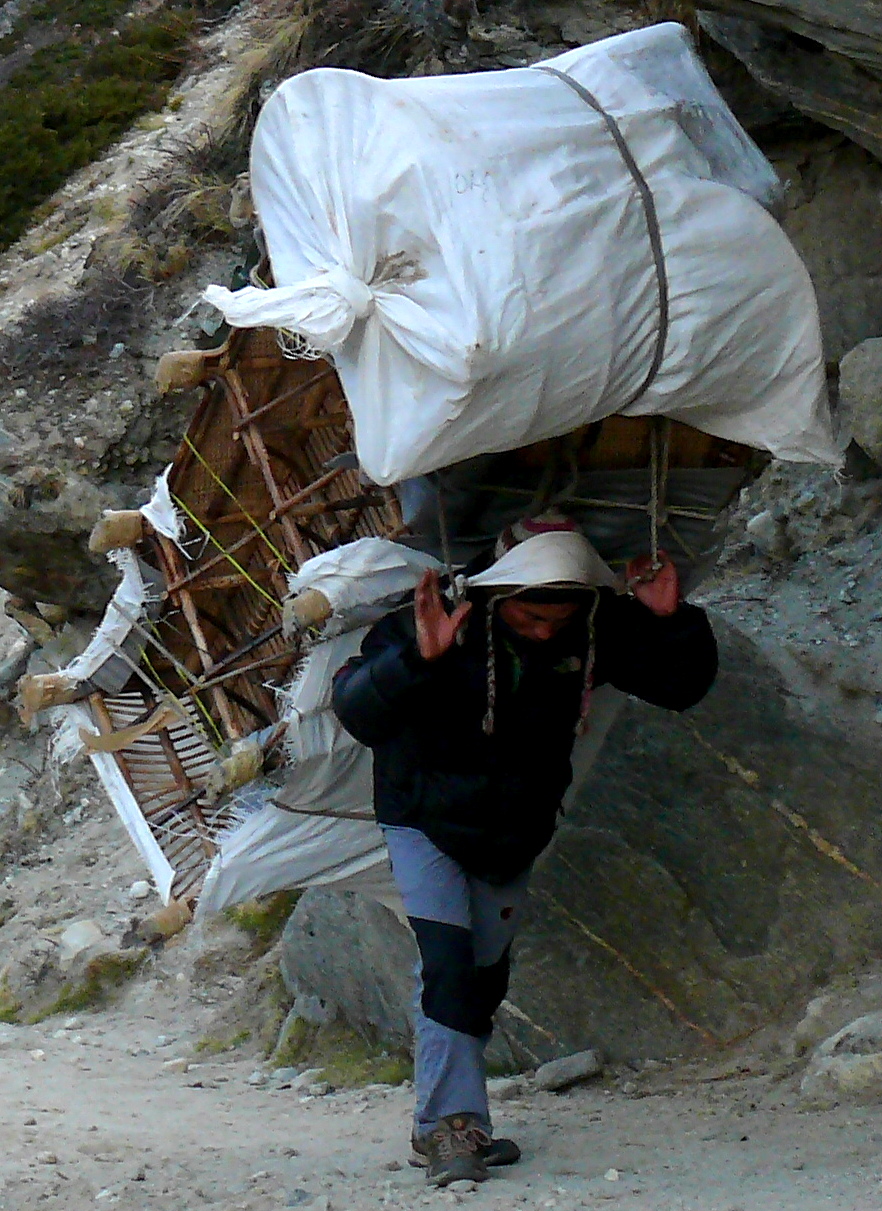
Even though all of the trekkers who have come to Nepal have seen Sherpa people, they aren’t very aware of the history of the Sherpa people to this day.
Even at The Trek Nepal, we have plenty of Sherpa people who work tirelessly with us. It is their dedication and hard work that make every trek safe, successful, and possible.
History of Sherpa People
The history of the Sherpa people goes back five centuries. They came to the remote region of Nepal from the Tibetan plateau and settled in the Everest region of Nepal.
Sherpa is made up of two words, Sher and Pa. Sher means east, while pa means people. So the people from the Eastern part of Nepal are called Sherpa people.
After crossing mountains one after the other, they settled down in the Kham region of Nepal. Sherpa people moved to the Everest region due to reasons like religious persecution, trade opportunities, and financial growth.
There are more than 150,000 Sherpa people in recent times. Their livelihood depends upon farming and tourism. Historically, they are the protectors of these mountains.
Sherpa Culture and Traditions
Sherpa people have their own language, which is a dialect of the Tibetan language. This particular language forms the basis of Sherpa culture survival.
With the presence of massive trekking and tourism in the mountains, a lot of Sherpa people have learnt English or Nepali. However, the older generation still speaks the Sherpa language.
It is also the ancient songs, stories, food, and lifestyle that preserve the Sherpa culture. Some of the key festivals celebrated by Sherpa include Dumji Lhosar, Mani Rimdu, etc.
Talking about the clothing of Sherpa, men wear a chuba, which is tied around their waist with a colorful sash, while women wear an elegant long dress with distinctive aprons called pangden.
The dresses that are worn by Sherpa are typically made to protect them from the harsh weather of the mountain. With tourism taking center stage, this dress also gets worn with the pride of the Sherpa people.
Role of Sherpas in Mountaineering and Tourism
Not only The Trek Nepal but the Nepal Tourism Board is also well aware of the role of Sherpas in the success of tourism in Nepal. The history and role of Sherpas in mountaineering goes way back to 1900.
To start, Sherpas were used to carry loads as porters. As time went on, the exceptional skill of Sherpas to carry loads and their physical abilities made them the right choice.
With the knowledge of the mountains, routes, and ability to carry heavy loads, they became key for mountaineering in Nepal. Scientifically, Sherpas have greater oxygen levels in their blood, providing them the added advantage
Sherpas have lived above 4000m for generations, so their bodies have been adapted to the harsh weather. Today, Sherpas are key for any trek or climb. They are well aware of the route, carry loads for camps, set up camps, and whatnot.
Famous Sherpas Who Shaped Mountaineering History
There is no mountaineering history without Sherpas. Right from the first climb by Tenzing Norgay Sherpa to every climb after that, you will find a Sherpa.
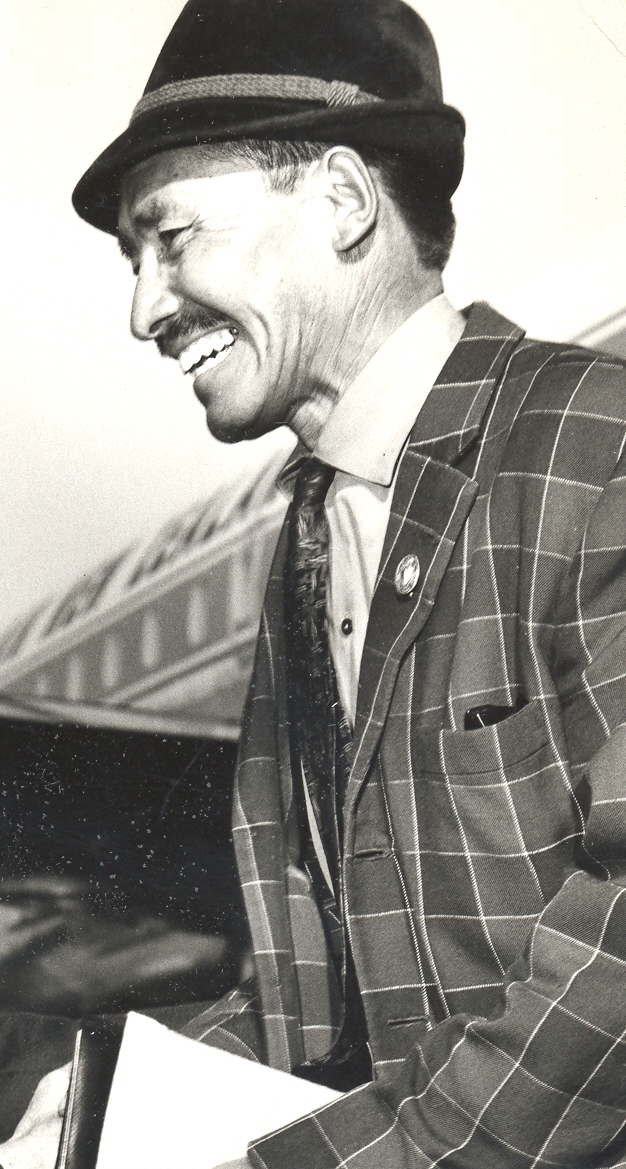
The history dates back to 1953 when Tenzing Norgay Sherpa was chosen by Edmund Hilary for the Everest climb. It was the physical strength, humility, and grace that made Tenzing the brand ambassador for Sherpa culture.
Following that, Apa Sherpa is another Sherpa to take the culture forward. He has climbed Everest 21 times, which is pretty fascinating.
Other fascinating Sherpas who have taken the mountaineering history to a new level include:
- Babu Chiri Sherpa (Climbed without supplemental oxygen)
- Lhakpa Gelu Sherpa (Record for fastest ascent to Everest peak)
- Kami Rita Sherpa (28 successful climbs to Mount Everest)
- Lahkpa Sherpa and Pasang Lhamu Sherpa
Ways to Experience Sherpa Culture as Trekkers
One of the most asked questions, even at The Trek Nepal, is how we can experience the Sherpa culture in its purest form. Well, the answer is simple. You come into the Sherpa community as a family and not as a guest.
Try to stay in their teahouses, consuming the organic food. Similarly, walk clockwise into the stupa, show respect to the elderly, ask for permission, etc.
You can also visit the monastery to understand the culture and interact with the locals as much as possible. This will help you to gain an easy welcome into their everyday life.
Challenges for Sherpa People Today
Sherpa people might have been the heart and soul of trekking and mountaineering in the context of Nepal, but they face a serious threat as of now.
The changes and challenges come due to climate change and how it has impacted trekking and tourism. With the changes in the climate, various problems arise.
Melting of glaciers has led to changes in water supplies, high risk of avalanches, and destruction of the trekking route. As Sherpas face the biggest effect of climate change, they hardly contribute to it.
Besides climate change, it is also the overcrowding on the famous trails that tends to create issues. This could lead to accidents, and rapid development on the famous trails is putting the history of Sherpas at risk.
As it is well known, Sherpas are the core of mountaineering in Nepal; the Government of Nepal needs to think about some policies that will help protect and preservation.
Not only in the peak season, but Sherpas should be financially supported even during the off-season when they face harsh weather and natural disasters.
Final Thoughts
If you are thinking about exploring the true beauty and history of Nepal, it has to go through the Sherpa culture. They have been one of the strongest pillars in the history of mountaineering in Nepal.
Starting out from the Tibetan backdrop, they have been part of multiple achievements when it comes to Everest. Their history, culture, and tradition have been part of Nepal for quite some time.
Even with The Trek Nepal, you will find plenty of Sherpa guides and porters who have played a leading role in preserving the trekking and mountaineering culture.
But with climate change and many new hurdles facing trekking and tourism, the government should be keen and focused on what needs to be done.