One of the biggest headaches for any trekker in the Nepalese context would be packing. Nepal trekking packing mistakes have been the most talked-about topic even at The Trek Nepal.
Most of the trekkers pack too much while others pack too less making the right balance very hard to find. But what needs to be noticed is that right packing is always a myth.
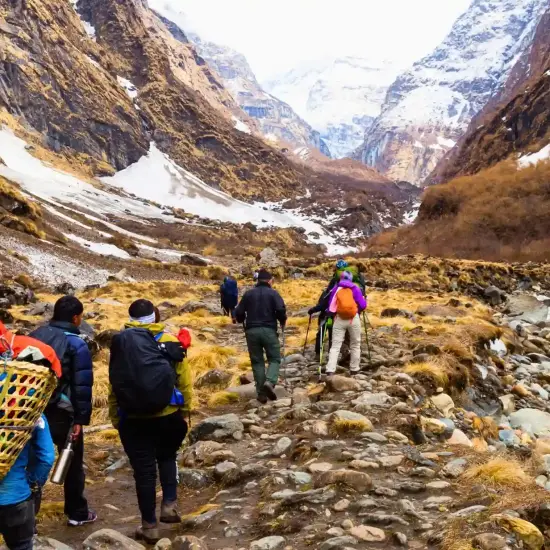
There is always something that gets missed, which is common in packing. In order to minimize this problem, Nepal trekking packing mistakes need to be addressed in the right manner.
Concept of Smart Packing
Readers might be keen and interested to know what exactly smart packing means. Well, it means the ability to balance the right requirements for the trek.
If you are able to crack the code, then Nepalese trekking packing mistakes will never be a problem for you. Always try to carry lightweight and portable gear that will be needed for the trek.
Besides, smart packing focuses on packing the gear that will be needed on the journey. Overpacking, thinking that a particular item might be needed, is the biggest problem.
With the accurate and well-required items, the overall experience of the trek will be lightweight, it enhances your mobility and also makes the movement easier around the beautiful scenarios.
Most Common Nepal Trekking Packing Mistakes
Nepal trekking packing mistakes are common, and they can be categorised into different formats. All of this can be addressed with clinical packing as well.
With this article from The Trek Nepal, you will have a clear idea of what the mistakes are and also how to avoid them.
Packing too many clothes
The first of trekking packing mistakes in the context of Nepal is overpacking of clothes. There is always a grey area as to how much should be packed before you jump into the trek.
Packing the heavy jeans along with extra jackets and too many t-shirts could make things tougher. Not only that, but packing a limited amount of clothes could also lead to being cold.
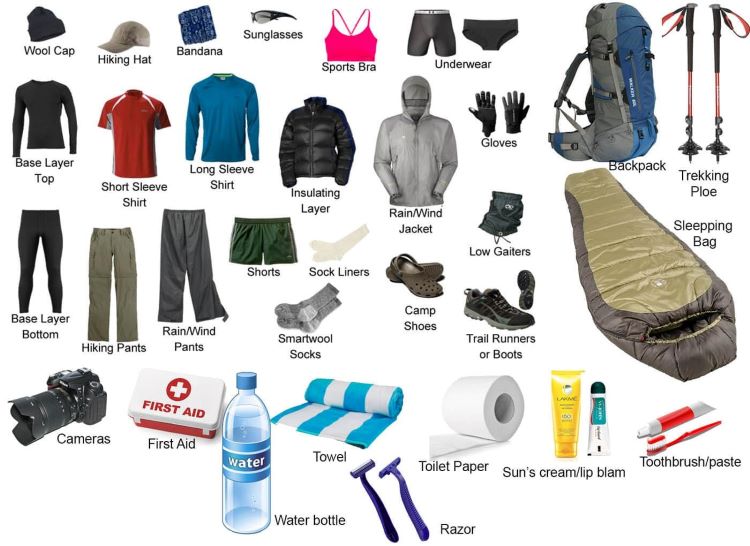
The better approach to packing too many clothes would be the use of a base layer, an insulating layer, and a waterproof outer layer. This could make the packing of clothes feel light.
Miscalculating the changes in the weather
Before you book any trek, you will have an idea whether the location will be cold or mild in the days to come. But most of the time, trekkers tend to ignore the weather factor.
Having said that, the places with more than 6000m need some heavy packing compared to others. Trekkers will have to keep a close eye on the weather and should never ignore the cold nights.
For the right touch to the weather conditions, always go for a down jacket, a rain jacket, thermal layers, gloves, a beanie, and backpack cover which is waterproof. All of this allows for better outcomes.
Dont pack brand new boots
Yes, you read that right. The Trek Nepal, through experience, has understood that Nepal trekking packing mistakes revolve around the packing of brand-new boots.
The use of new boots on the trek means that you will have blisters while walking for longer hours. There are plenty of cases that new shoes revolve around style and not comfort.
The foot pain with the new shoes is much worse compared to the older ones. So use moisture-wicking trekking socks and also carry the blister tape that will be helpful during the trek.
Too many gadgets, too little space
The world of social media and digitalization has made things harder. A lot of the time, trekkers carry too many tech gadgets to cover up for the views and scenarios they will witness.
Not only will the multiple cameras, accessories, and charging limitations lead to missing out on essential items like medicines or a basic kit. What’s more problematic is the fact that the cost of charging and the battery loss is more in higher altitude.
The best answer to this would be a carrying phone, a powerbank, a headlamp, and one camera if needed, and that will do for the overall trek.
Lack of focus on hydration
Trekking for 7 to 8 hours every day shouldn’t be easy at all. The chances of sweating and dehydration are much higher. With that comes the issue of cramps and hamstring issues.
All of this results in major problems over the longer course of time. With the Nepal trekking packing mistakes, the issues with carrying little water or depending on the bottled water can get you into trouble.
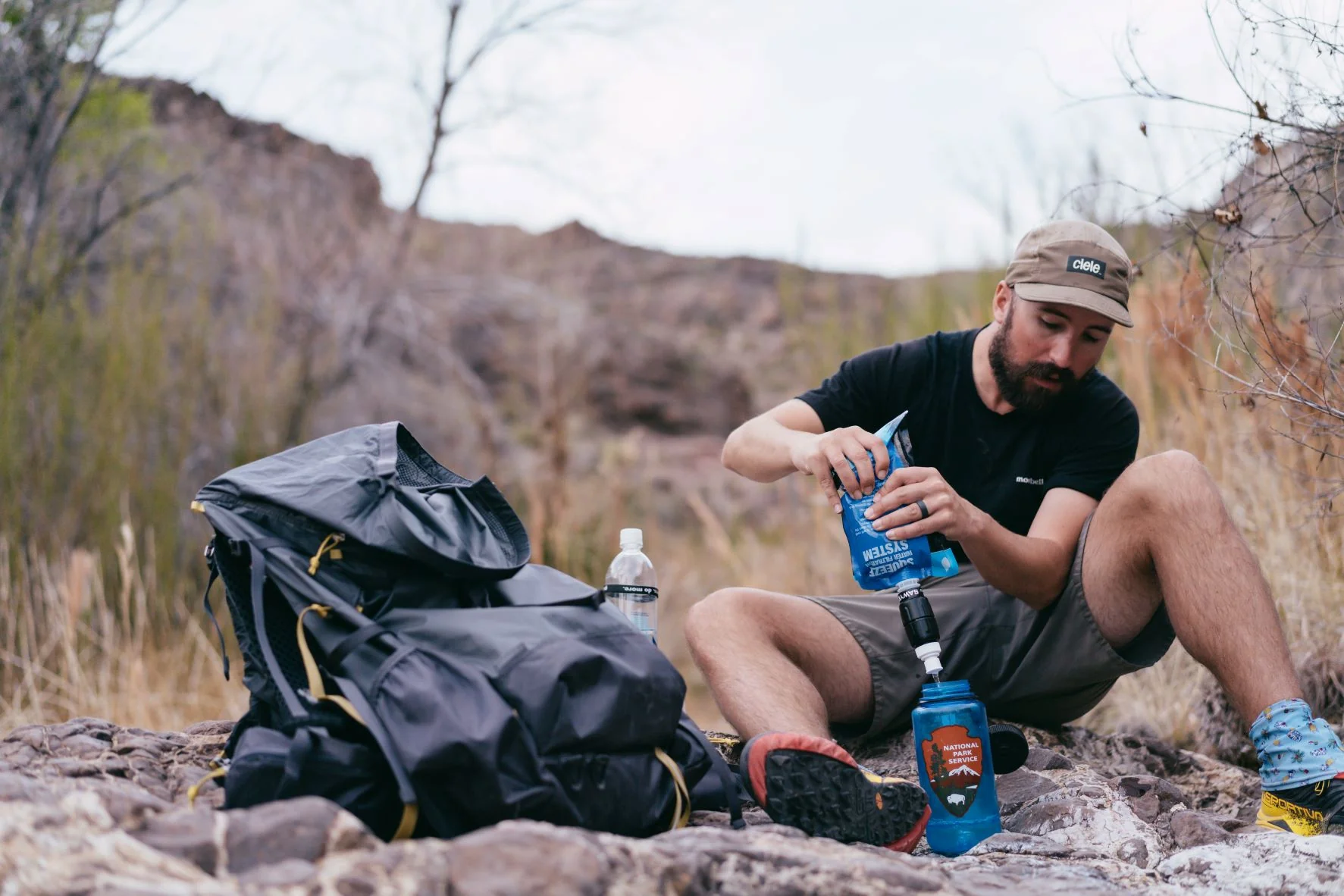
Nepal is the land of numerous water sources, according to the Nepal Tourism Board. You will find plenty of water sources in and around the place. So, try to carry the water purification tools.
Trekkers can also go for the reusable water bottles and purification tablets. All of this helps you to get rid of plastic waste and also use the natural source of water over a long period.
Use of the wrong backpack
There is always a right and a wrong backpack for any trekking season. If you are going for a quick and easy trek, always go for the smaller one. But the plan is about the EBC or Kanchenjunga trek, so try to go for the heavier backpack.
Most of the time, trekkers aren’t able to distinguish between the two, making things tough. Never go for the fashion backpacks, but look for something that can hold many items.
The carriage of extremely large trekking bags can also be an issue. Another key factor is poor weight distribution. Not only for you, but also the porters will find it tough to push through.
Always try to use a proper backpack with hip support, which helps with easier mobility. For teahouses treks you can go for 35 to 40l bags, while for the camping gear you must have something of a 60l backpack.
Final Thoughts
Nepal trekking packing mistakes are common, and you won’t be the first or last person to do the same. But there is always a chance for improvement.
The right calculation, suggestion from the agency, or the fellow trekkers will help you to get the right mix. Along with that, you can check on the official website of the Tourism Board to get a clear idea as well.
When we focus on providing the right data, readers can also connect with The Trek Nepal. We will provide you with the right and proper guidance on the itinerary, along with the cost and packing items, too.