
The Dolpo region is known for some of the country’s rarest mountains and glaciers. Tripura Hiunchuli is one fine example of it. Often known for its remoteness, Tripura Hiunchuli climbing is hard and requires expert guidance.
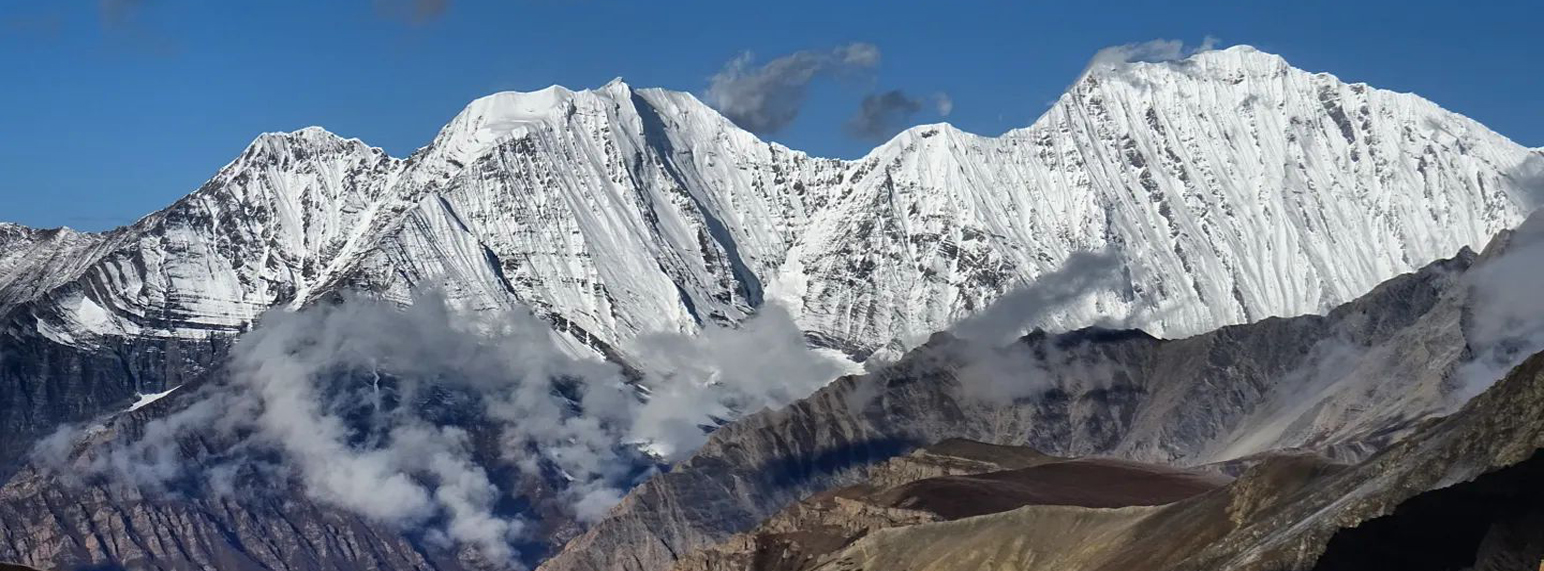
Most of the time, Tripura Hiunchuli climbing is called Hanging glacier peak climbing amongst the foreign climbers. Located between India and China, this peak is no less than stunning. Most of the time, Tripura Hiunchuli climbing takes place amongst the avid climbers.
Tripura Hiunchuli Climbing Overview
Mt Tripura Hiunchuli climbing takes place at an altitude of 6553m. Located at an altitude above 6000m, this particular peak is tougher to climb.
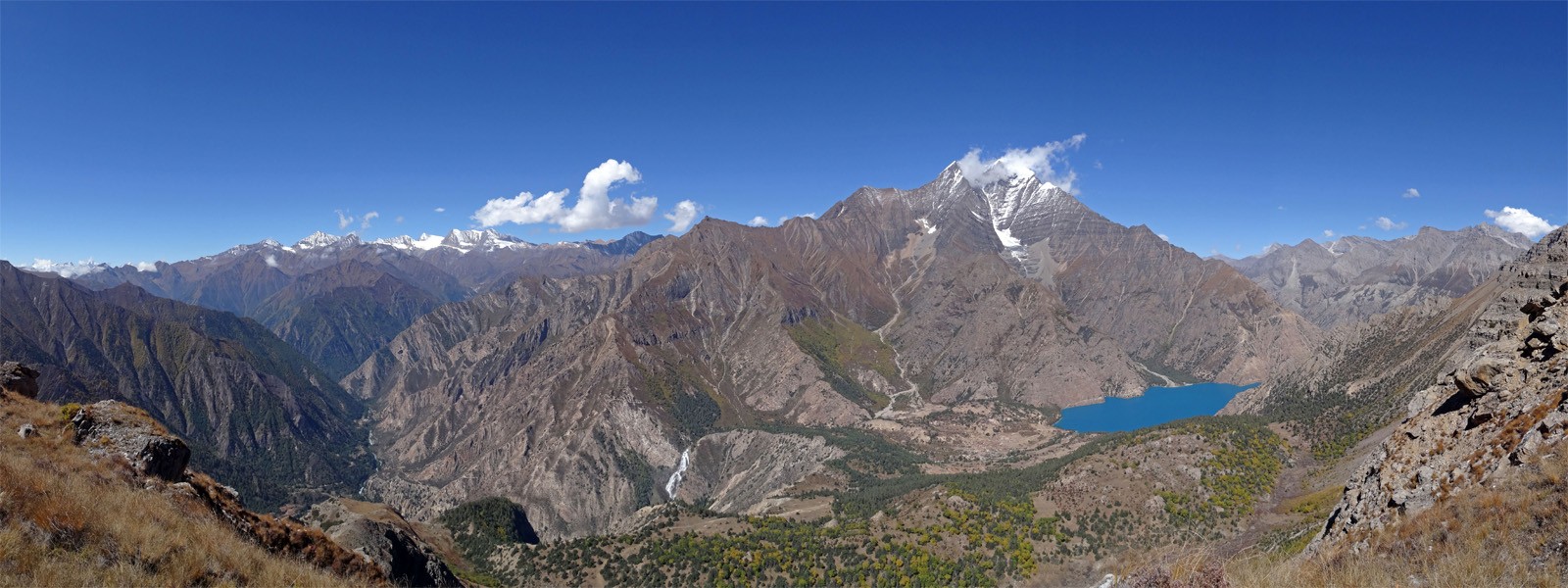
Not only that, but Tripura Hiunchuli is also located in the remotest part of Nepal, which is the far west region. Through the trekking experience, you will get stunning views of mountains, hills, and other greenery.
Technically speaking, the mountain views available include Tso Karpo, Bhulu Lhasa, Bijora Hiunchuli, Dudh Kundali, and many other peaks. There is also the presence of hidden valleys, lush green forests, and ethnic culture and tradition.
The journey to the top starts from Dunai, and after 2 weeks it ends at the same place. The end at lower Dolpo means that we will take the flight from Juphal to Nepalgunj and later continue back to Kathmandu.
First Climb to Mount Tripura Hiunchuli
Tripura Hiunchuli climb might be famous in recent times, but the first climb to the top was made in the late 80’s. Yes, the first ever climb was done by the Japanese team.
Noriyuki Hata, Katashi Tokimoto, and Ang Puri Sherpa were able to climb Tripura Himal. This achievement took place on 17th October, 1986.
Although the trails might be remote, the doors to the top were made on this day. Climbers used the normal route to get to the top.
Starting from Dunai to Tirkhu, Talphi, and later to the base camp, the climb wasn’t the easiest. The experienced Japanese team and the Nepalese guide were able to make the climb a success.
Highlights of Tripura Hiunchuli Climbing
- Witness the hanging glacier, which makes for an exciting and thrilling experience
- Views of the remoteness of the Dolpo region, which provides a lesser crowd
- Mountains like Annapurna South, Machhapuchhre, Nilgiri, Dhaulagiri, etc
- Understand the local culture and tradition of the Tibetan and Sherpa people
Routes to Tripura Hiunchuli Climbing
The remote and rugged location of Tripura Hiunchuli demands much of your time. On average, you will have to spend more than 5 weeks to complete this trek.
It is an exciting trek that starts from Dunai. The base camp for Tripura Hiunchuli Climbing is settled down at Ringmo. Right through the trail, you will traverse glacier, snow, and ice terrain.
The return trail to Kathmandu is much more similar. With the follow-back coming from Ringmo to Juphal, Nepalgunj, and to Kathmandu, it looks much more established.
Best Time To Perform Tripura Hiunchuli Climbing
Spring and autumn are the perfect time periods to perform the Tripura Hiunchuli climb. Based on the remoteness and lack of defined trails, the months of March to May and September to November will sit perfectly.
The air remains crisp along with the blooming wildflowers and moderate temperature. For a longer trekking experience, choosing the right season is the key.
In the process, autumn and spring create the perfect match. You will get the perfect weather for photographs. For the experienced trekkers, though, monsoon and winter are also better options.
But if you don’t have experience with high altitude trek, The Trek Nepal doesn’t suggest you perform the Tripura Hiunchuli climbing in odd seasons.
Is Tripura Hiunchuli Climbing Difficult?
Like a lot of other treks in the context of Nepal, Tripura Hiunchuli climbing is also easier and difficult based on the experience of the climber.
Anyone with little to no experience in trekking can easily perform this trek. On the other hand, if you have little experience, things can get messy.
Talking about the risk associated, the major risk remains with the high altitude. As the high altitude can be demanding, there are also chances of rockfall, potential avalanches, and seracs.
With all of these possibilities, things could look much worse. But selecting an experienced trekking agency like The Trek Nepal will make things much easier. We will train and make you ready for the Tripura Hiunchuli climbing.
Cost of Tripura Hiunchuli Climbing
The more remote the trek is, the higher the cost will be. The same is the case with Tripura Hiunchuli climbing. Based on the remoteness of the Tripura mountain, the cost tends to vary most of the time.
Not only that, but you also have the option of choosing either the shared or the private services. This tends to impact the cost. On the other hand, the overall cost of Tripura Hiunchuli climbing is harder to predict.
Based on the time, number of people, and your budget, the cost can vary. On average, the cost could be around $3500. However, if you choose shared services, the cost can be minimized to a massive amount.
Permits Required For Tripura Hiunchuli Climbing
Permits are the key if you are willing to complete any trek. In the context of Tripura Mountain as well, finding the right permit is the key.
Until and unless you achieve it, things are harder. You can get all the permits from either the Nepal Tourism Board or the local municipality.
Choosing an experienced agency like The Trek Nepal will also help you with getting all the right permits. Ultimately, the permits needed for Tripura Hiunchuli climbing include:
- Tripura Hiunchuli Climbing Permit
- Shey Phoksundo National Park Entry Permit
- Trekkers Information Management System (TIMS) Card
Alternative Treks to Tripura Hiunchuli Climbing
Experienced trekkers who have been trekking for a long time might not be too interested in Tripura Hiunchuli climbing.
As Tripura Hiunchuli climbing is a remote and less popular trek, climbers might be looking for alternative options. Interestingly, the alternative trekking options to Tripura Hiunchuli climb include:
- Mardi Himal
- Tent Peak
- Pisang Peak
- Muladi Viewpoint Trek
- Tilicho Lake Trek
Detailed Itinerary About Tripura Hiunchuli Climb
Day 1: Arrival in Kathmandu (1,400m)
You arrive in Kathmandu, the bustling capital of Nepal, where your journey begins. After the hotel transfer, the day is kept light to help you settle in. In the evening, there is a short briefing about the climb, gear preparation, and an overview of the route ahead. This is also your first step into the Himalayan atmosphere before heading towards more remote regions.
Day 2: Drive to Besisahar (760m)
The journey begins with a scenic drive out of Kathmandu, following winding highways alongside rivers like the Trishuli and Marsyangdi. As you leave the city behind, the landscape transitions into terraced fields, hills, and small settlements. Besisahar acts as the gateway to the Annapurna region and marks the starting point of your trekking journey.
Day 3: Trek to Bahundanda (1,310m)
Your first trekking day introduces you to the rhythm of the Himalayas. The trail moves through lush greenery, terraced farmland, and traditional villages. You cross suspension bridges and pass waterfalls along the way. Bahundanda sits on a ridge, offering wide views of the surrounding hills and giving you your first real taste of trekking in Nepal.
Day 4: Trek to Jagat (1,300m)
The trail continues along the Marsyangdi River, with a mix of ascents and descents. You pass through small settlements and stone-paved paths that reflect local mountain life. Jagat is a charming village with traditional houses and a peaceful atmosphere, marking your gradual transition into more rugged terrain.
Day 5: Trek to Dharapani (1,960m)
Today’s trek brings noticeable changes in both altitude and scenery. The trail narrows in sections and moves through cliffs and dense forest areas. Waterfalls cascade down the rocky walls, and the air becomes cooler. Dharapani is a key junction in the region, where routes toward Manang and more remote valleys begin to split.
Day 6: Trek to Koto (2,600m)
As you gain elevation, the landscape shifts into pine forests and alpine terrain. The trail becomes quieter and less crowded. Koto serves as the entry point toward the restricted Nar Phu Valley, giving a sense of moving into a more isolated and less-traveled part of the Himalayas.
Day 7: Trek to Meta (3,560m)
This day takes you deep into the remote Nar Phu region. The trail cuts through dramatic canyons, narrow paths carved into cliffs, and rugged landscapes. The scenery becomes more raw and untouched. Meta is a high-altitude settlement offering stunning views and a strong sense of isolation, far from mainstream trekking routes.
Day 8: Trek to Kyang (3,840m)
The trek continues through wide alpine valleys and ancient Tibetan-influenced villages. You may pass monasteries, prayer flags, and traditional stone houses that reflect the region’s cultural heritage. The landscape opens up, with expansive views of surrounding peaks and barren high-altitude terrain.
Day 9: Trek to Tripura Hiunchuli Base Camp (Approx. 4,500m)
Leaving the villages behind, you move into a true alpine environment. Vegetation becomes sparse, and the terrain is dominated by rock, snow patches, and glacial features. As you approach base camp, the views of surrounding giants like Annapurna II and Lamjung Himal become more prominent, setting the stage for the climb ahead.
Day 10: Acclimatization Day (4,500m)
This day is crucial for altitude adjustment. You take a short hike to a higher elevation and return to base camp, allowing your body to adapt. Basic climbing techniques such as using crampons, ropes, and ice axes are practiced. Proper acclimatization improves your chances of a safe and successful summit.
Day 11: Summit Tripura Hiunchuli (5,540m) & Return to Base Camp
The summit push begins early in the morning, often before sunrise. The climb involves snow slopes and steady ascent, requiring focus and endurance. Reaching the summit rewards you with panoramic views of the Annapurna range and surrounding Himalayan peaks. After spending a short time at the top, you descend carefully back to base camp.
Day 12: Trek back to Koto (2,600m)
After the summit, the journey turns into a long descent. You retrace your steps from the alpine zone back into greener landscapes. The drop in altitude brings more oxygen and a noticeable sense of relief. Returning to Koto feels like re-entering civilization after days in remote terrain.
Day 13: Drive to Pokhara (822m)
From Koto, you take a scenic drive toward Pokhara. The journey passes through mountain roads, rivers, and small towns. Pokhara offers a completely different atmosphere—relaxed, vibrant, and comfortable. It’s a perfect place to unwind after the expedition.
Day 14: Return to Kathmandu
You either drive or fly back to Kathmandu, marking the end of your Tripura Hiunchuli adventure. The day is reserved for rest, reflection, and departure preparations after completing a unique and less-explored Himalayan climb.
Day 15: Departure for the home nation
On the final day of the trek, we will be heading back to our home nation. Our Tripura Hiunchuli climb will officially end as a member from The Trek Nepal will drop you off at the airport.