
Dhampus peak or Thapa peak, whatever you might call it, this is one of the most beautiful, easy and close peaks to climb from Pokhara. Dhampus peak climbing takes place in the Dhaulagiri Himalayan range, with the most beautiful views.
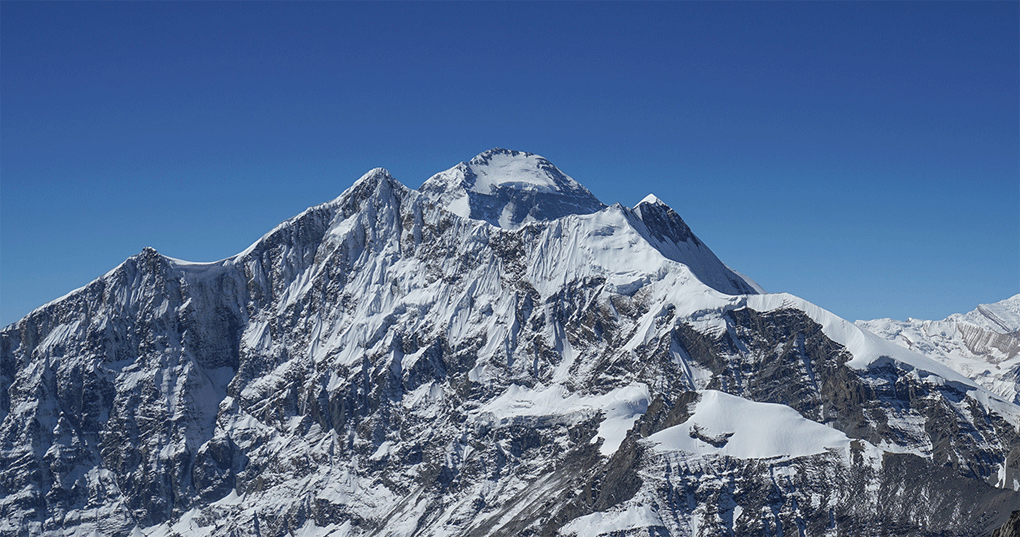
Easier to access from Kathmandu, the Dhampus peak climbing doesn’t demand a high level of physical and mental strength. However, you will need to have some form of experience of peak climbing to get to the top of Dhampus Peak.
A journey in the Upper Kaligandaki region, The Trek Nepal has been doing Dhampus peak climbing work for some time now. In case you are confused, Dhampus peak climbing takes place at an altitude above 6000m.
Dhampus Peak Climbing Overview
Dhampus peak isn’t another high-performing and highly demanding peak climbing but an easy-going one. Dhampus peak climbing is more about exploring the untouched sections of Dhaulagiri and much more than that.
Even though it is quite an easy climb, trekkers will get major views of flora and fauna during the overall experience. Meanwhile, the closer view of mountains like Dhaulagiri, Tukuche, etc., will make the experience worth your time.
Highlights of Dhampus Peak Climbing
- Achieve the heights of Dhampus peak along with views of Dhaulagiri
- Cross through the famous French Col and the Dhampus Pass
- Be closer to the Gurung, Magar and Thakali communities during the stay
- Witness the rare flora and fauna in the tranquil Annapurna region.
Is Dhampus Peak Climbing Difficult?
To be fair, this climb isn’t hard if you are an experienced climber. There are two different routes to the Dhampus peak. The famous one includes the Dhampus pass, while the second one includes the Kali Gandaki valley side.
It is an easier climb if there is less snow during the journey. Most of the time, the snowfall is less; however, exceptions can appear at times.
Meanwhile, depending on the weather and time of the year, the difficulty level of Dhampus Peak keeps on changing. Probably, The Trek Nepal believesthat Dhampus peak climbing is slightly difficult for everyone. With rocky trails and uneven terrains present, you will need to be minutely careful of what to expect.
Equipment Required For Dhampus Peak Climbing
As we have clarified that Dhampus peak climbing isn’t the toughest of assignments, the equipment needed can also be categorised as minimal.
From the likes of basic packing for the clothes and other items, the climbing equipments arent too much for the trekkers. You will need to have good-quality boots that will help you walk in the snow.
Moving ahead, the mountaineering axe and the crampons are also helpful for the peak climb. Talking about the helmet and climbing harness, you will need to have the highest quality.
In case you aren’t sure of where to get all of this, then The Trek Nepal is here to help you. You shouldn’t get all the equipment right from your home country, but you can also find it in Kathmandu.
Perfect Season for Dhampus Peak Climbing
In the context of Nepal, there are some good seasons and some tough seasons when we talk about trekking and peak climbing. For Dhampus peak climbing, the best times include the months of April, May, September, October and November.
During this period, you will have brilliant weather, clear skies and mountain views too. Trekkers and climbers will feel every day is good and their money will be worth.
But if you are thinking about booking in April, March and even October, be prepared for some of the issues. Issues like snowfalls, avalanches, a drop in the weather, and rainfall could all hamper you. All in all, spring and autumn are the right seasons for the trek.
Beauties During Dhampus Peak Climbing
Dhampus might be an easy peak to climb, but there is much more that surrounds the area. Located in the Pokhara region of Nepal, Dhampus peak climbing provides you with an opportunity to witness some of the most beautiful mountains.
Having said that, a climber will be able to view the mountains like Dhaulagiri, Sita Chuchura, Nilgiri, Tukuche Peak, Tilicho Peak, Thorong Peak, Yaskawa Kan, Puth Hiunchuli, Mukut Himal, Tangu peak etc
In the centre of all of this, you will find a beautiful and smiling peak like Dhampus. As there is the presence of the Annapurna Conservation Area, the presence of vegetation is also on maximum level. All in all, this is quite an opportunity not to miss.
Cost of Dhampus Peak Climbing
Readers might be surprised to know that Dhampus Peak is classified as an expedition peak. Having said that, the climbers will need to get permits and other allowances, which increases the cost.
When we focus on the Dhampus peak, there are plenty of permits, medical clearance and briefing that goes in the whole process. The accurate cost of overall peak climbing is hard to tell to the viewers.
It is due to the fact that the cost tends to be different based on the time of the year, the number of people, etc. The Trek Nepal, however, assures you that the cost is higher if your group is smaller for this adventure.
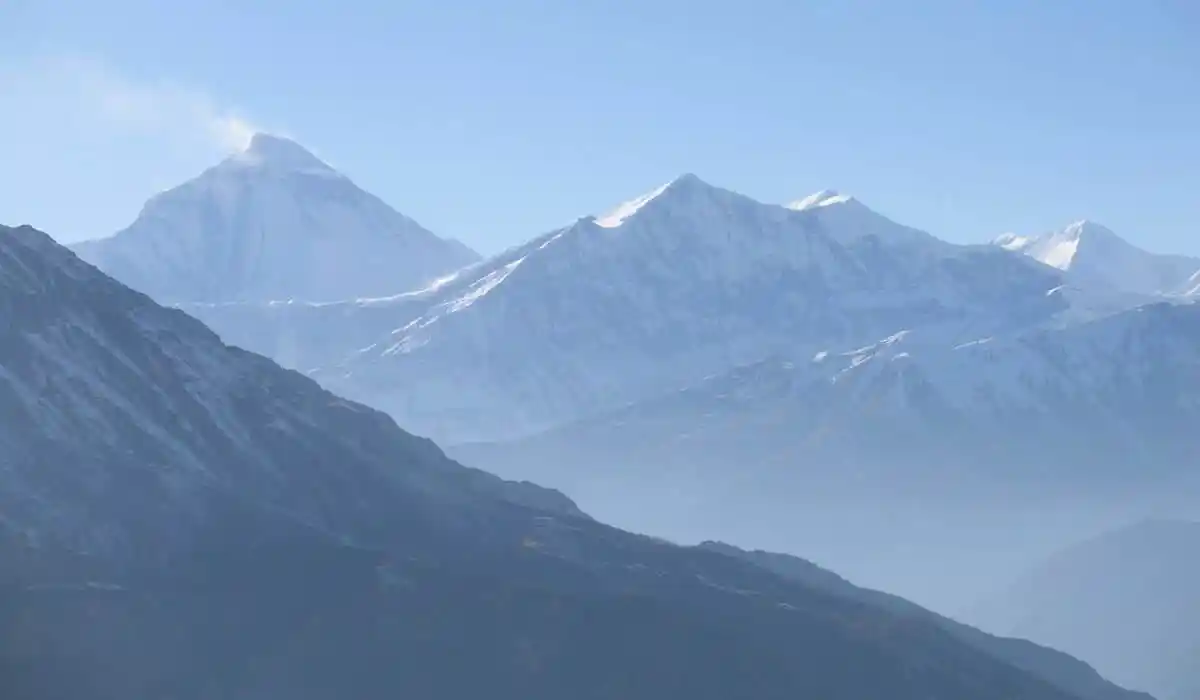
Similar to the Dhaulagiri climb, the cost could rocket higher based on the time spent on the mountains. With the Dhampus peak being the expedition cost, the cost will only be higher.
Inorder to know the accurate cost, readers can connect with The Trek Nepal. Not only about the cost, but we will also talk about the itinerary, the time taken and what challenges could appear during the journey.
Permits Required For Dhampus Peak Climbing
As Dhampus has been enlisted in the expedition, permits will be the most important factor for any climber. If you have booked with The Trek Nepal, we will arrange all the permits.
However, if you are on your own, the Nepal Tourism Board provides all the permits for you. In the case of Dhampus peak climbing, the permits required include:
- Annapurna Conservation Area Project
- Trekkers Information Management System Card
- Dhampus Peak Climbing permit
Detailed Itinerary About Dhampus Peak Climbing
Day 01: Arrival in Kathmandu (1,350m) – Transfer to Hotel
Upon arrival at Tribhuvan International Airport in Kathmandu for your Dhampus Peak Climbing journey, you will be warmly welcomed by our representative and transferred to your hotel.
After check-in, the rest of the day is free for rest and recovery from your flight. In the evening, a detailed briefing will be provided regarding the Dhampus Peak Climbing itinerary, including an overview of the route, preparation requirements, and essential safety information.
You may also take a short walk around the vibrant streets of Thamel before returning to your hotel for an overnight stay.
Day 02: Kathmandu Sightseeing and Dhampus Peak Climbing Preparation
Today is dedicated to sightseeing and preparation for Dhampus Peak Climbing. After breakfast, you will visit key UNESCO World Heritage Sites in the Kathmandu Valley, guided by a professional cultural expert.
You will explore Kathmandu Durbar Square, Patan Durbar Square, and Bhaktapur Durbar Square, each showcasing ancient architecture and medieval history.
The day continues with visits to sacred landmarks such as Pashupatinath Temple, Boudhanath Stupa, and Swayambhunath (Monkey Temple), which offers panoramic views of the valley, especially during sunset.
In the evening, your climbing guides will inspect your equipment for Dhampus Peak Climbing, ensuring everything meets safety standards. Missing gear can be arranged in the Thamel area before returning to your hotel for overnight rest.
Day 03: Fly or Drive from Kathmandu to Pokhara (Approx. 800m)
You begin your journey towards western Nepal with either a short scenic flight or a 7–8 hour drive to Pokhara.
The road journey follows the Prithvi Highway, passing rivers, terraced hills, and rural settlements, while the flight offers stunning Himalayan views. Upon arrival in Pokhara, you check into your hotel near Lakeside.
In the evening, you can explore Phewa Lake and enjoy the relaxed atmosphere of this beautiful tourist city, an important gateway for Dhampus Peak Climbing expeditions.
Day 04: Fly to Jomsom and Trek to Tukuche (2,590m)
An early morning flight takes you to Jomsom, the windy gateway to the Mustang region and a key starting point for Dhampus Peak Climbing.
From Jomsom, the trek begins along the Kali Gandaki River valley, known for its dramatic desert-like landscapes and strong winds.
The trail passes through Marpha, a charming village famous for its apple orchards and traditional Thakali culture, before reaching Tukuche. Once a historic trade hub between Tibet and Nepal, Tukuche offers stunning views of the Dhaulagiri and Nilgiri ranges. You will stay in a local homestay or lodge for the night.
First Camp: Trek from Tukuche to First Camp (4,000m)
From Tukuche, the ascent begins towards the first high camp of your Dhampus Peak Climbing journey.
The trail gradually climbs into alpine terrain, where vegetation becomes sparse, and mountain views become more prominent.
With the support of your Sherpa team, tents are set up at around 4,000 meters. This first high camp provides a crucial acclimatization point and an introduction to camping in high-altitude Himalayan conditions.
Day 06: First Camp to Second Camp (4,900m)
Today’s climb takes you higher into the alpine zone as you ascend towards the second camp at 4,900 meters.
The terrain becomes more rugged, with rocky slopes and glacial surroundings becoming more dominant.
The steady climb is physically demanding, but regular breaks help maintain energy levels. Upon reaching the second camp, tents are set up, and the team prepares for the next stage of the Dhampus Peak Climbing ascent.
Day 07: Second Camp to High Camp (5,200m)
The route continues upward as you move from the second camp to high camp at 5,200 meters. The trail crosses glacial terrain and a mountain pass, requiring careful movement due to icy and slippery sections.
Despite the challenge, the surrounding views of the Dhaulagiri and Annapurna ranges are breathtaking. At high camp, the Sherpa team conducts final gear checks and prepares for the upcoming summit attempt of Dhampus Peak Climbing.
Day 08: Summit Attempt of Dhampus Peak (6,012m) and Return to High Camp
This is the most important day of your Dhampus Peak Climbing expedition. You begin early in the morning to reach the summit before strong afternoon winds develop.
Guided by experienced climbing leaders, you ascend through snow and ice sections towards the summit of Dhampus Peak at 6,012 meters. From the top, panoramic views of Annapurna I, Annapurna II, Annapurna South, Dhaulagiri, Nilgiri, and Tukuche Peak unfold dramatically. After spending time at the summit, you descend carefully back to high camp for overnight rest.
Day 09: Descent to Second Camp
After a successful summit, you begin your descent from high camp back to the second camp. The route requires caution, especially while crossing icy and glacial sections.
Once at the second camp, tents are re-established, and you rest after the physically demanding summit day of Dhampus Peak Climbing.
Day 10: Descent to Tukuche
You continue descending along the same route back to Tukuche. As you lose altitude, the landscape gradually becomes greener and more familiar.
The return journey offers a different perspective of the mountains you climbed earlier. Upon arrival in Tukuche, you stay in a lodge or homestay and enjoy a well-deserved rest.
Day 11: Spare Day in Tukuche
This reserve day allows flexibility in case of weather delays during the Dhampus Peak Climbing expedition.
If not needed for logistics, it is used to explore the cultural richness of Tukuche and nearby villages. You can visit monasteries, interact with local Gurung and Thakali communities, and learn about their traditions.
The region is also known for its local apple, apricot, and peach-based products, including traditional wine and brandy.
Day 12: Drive to Tatopani (1,190m)
After breakfast, you drive towards Tatopani, a village famous for its natural hot springs. This lower-altitude stop provides excellent relaxation for tired muscles after the climbing phase of Dhampus Peak Climbing. You can enjoy the therapeutic hot springs before settling into a local lodge for the night.
Day 13: Drive to Pokhara
A scenic drive takes you back to Pokhara, where you check into a hotel near Lakeside. The rest of the day is free to relax, walk along Phewa Lake, or enjoy the city’s cafés and restaurants. Pokhara offers a peaceful environment after your high-altitude Dhampus Peak Climbing adventure.
Day 14: Pokhara to Kathmandu (Flight or Drive)
You return to Kathmandu either by a short scenic flight or a drive along the Prithvi Highway. Upon arrival, you check into your hotel and spend the rest of the day at leisure.
This is a good opportunity to reflect on your Dhampus Peak Climbing experience and relax in the capital city.
Day 15: Rest Day in Kathmandu
A free day in Kathmandu allows you to explore missed attractions or simply relax. You may visit Thamel for shopping, explore cultural sites, or enjoy local cuisine.
This final day also provides time to celebrate the successful completion of your Dhampus Peak Climbing journey.
Day 16: Departure from Kathmandu
After breakfast, our representative will transfer you to Tribhuvan International Airport for your onward journey.
This marks the end of your Dhampus Peak Climbing expedition, taking with you unforgettable memories of the Himalayas, culture, and achievement.