The Annapurna mountain range is one of the toughest in the world. But Pisang Peak is one of the rare ones that is comparatively easier to climb. The Pisang Peak expedition is located in the Annapurna region, and trekkers are interested in reaching its summit.
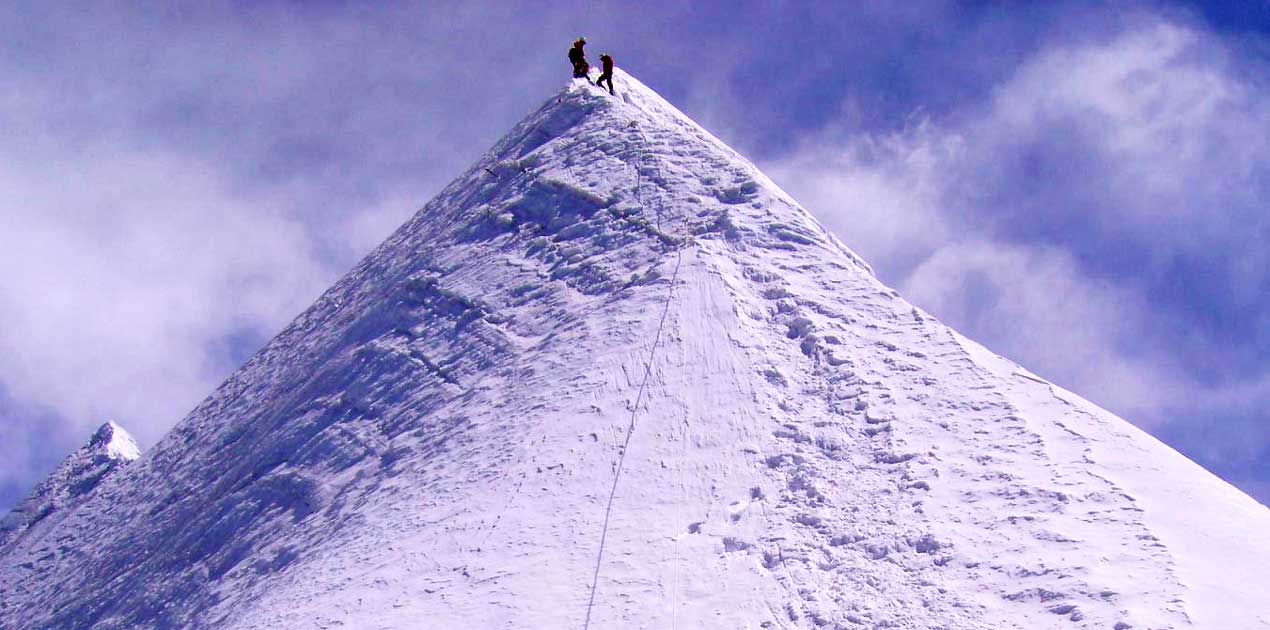
Even at The Trek Nepal, the demand for Pisang Peak expeditions appears to be increasing. It is one of the rare 6000m mountains that can be climbed in a short span of time. From walking in the beautiful forest paths with mountain views and the experience of trekking in a team, the Pisang Peak expedition might just be what you need.
Pisang Peak Expedition Overview
Pisang Peak is also called the Jong Ri. It is situated at an altitude of 6091m. Trekkers will need to have moderate to extensive knowledge to complete the Pisang Peak expedition.
This particular peak is located between Annapurna I and Manaslu in the Manang district. Even though it is located in the tougher mountain range, the trail to Pisang peak expedition seems to be the easier one.
Being located in the famous mountain range, Pisang Peak came into the limelight all of a sudden. From diverse landscapes to cultural sites and vast diversity, there is much more to love and appreciate about the Pisang Peak expedition.
Highlights of Pisang Peak Expedition
- Chance to climb the 6000m peak with an experienced team
- Outstanding views of mountains like Annapurna
- Witness the historical and religious pilgrimage site in Muktinath
- Understand the culture in local villages like Chamje, Dharapani, Chame, etc
Who Climbed Pisang Peak For The First Time?
The history of the Pisang Peak expedition goes back to the early 50’s. The climb to the top was first made by the team of German expedition team. There has been no particular name of who did it, but the expedition took place in 1955.
Since then, it has been one of the key climbs in the country. Even though Pisang Peak is considered to be a technical climb, it is also a straightforward option, making it the first choice for many. Pisang might be easy, but there have been accidents.
In the year 1994, during the November climb, there was a massive avalanche that swept away 11 climbers. This resulted in their immediate death. It is also one of the worst disasters in climbing history of Nepal.
Difficulties Associated with Pisang Peak Climbing
A lot of the readers might think that the Pisang Peak expedition is easier due to the straightforward trek. Well, not to be. There are typical difficulties that can arise with Pisang Peak climbing as well. It lies above 6000m, so the chances of altitude sickness are much higher.
Along with that, you will need to be physically fit to complete the trek. Trekking for 7 hours over the span of 2 weeks every day is very difficult. Temperature changes, route difficulties, and accommodations could be an issue for the Pisang Peak expedition.
Climbing Strategy For Pisang Peak Expedition
With an experienced team like The Trek Nepal, climbing experience seems to be much easier. The strategy for the Pisang peak expedition starts with Besisahar in the Marsyangdi River valley. This route will take you through some of the rare flora and fauna.
Moving ahead, you will be blessed with views of Manalsu, Lamjung Himal, and Annapurna. Passing ahead, we will meet other trekkers at Dharapani and pass together through Larkya La.
Similar to the routes of Chulu West Peak, the Pisang Peak expedition is easier compared to Chulu West. Lastly, after two weeks of hustle, we will reach a place where you can see the Annapurna Himalaya Range. An exciting part of the journey is the Muktinath temple, which awaits you.
Best Time For Pisang Peak Expedition
There are plenty of treks in Nepal that can be done all year round. Pisang Peak expedition is also one of them. It is a moderate to tough trek, so for experienced climbers it can be done all year.
However, the best time for the Pisang peak expedition is during the spring and autumn seasons. The weather remains absolutely clear. You will get the brilliant views of the mountain with clean and stable temperatures.
Having said that, the Pisang Peak expedition can also be done during the winter season. But the beautiful views, along with the stable temperature, will be missed. As Pisang sits above 6000m, there is a major chance of the weather dropping during the night.
Cost of Pisang Peak Expedition
The actual cost of the Pisang Peak expedition is tough to calculate. Various factors tend to impact the overall cost, and accurate pricing is hard to predict.
On average, the cost is between $2500 $4500. But the accurate cost will depend upon the time of the year, the number of people involved in the climbing process, and the extra facilities you look for.
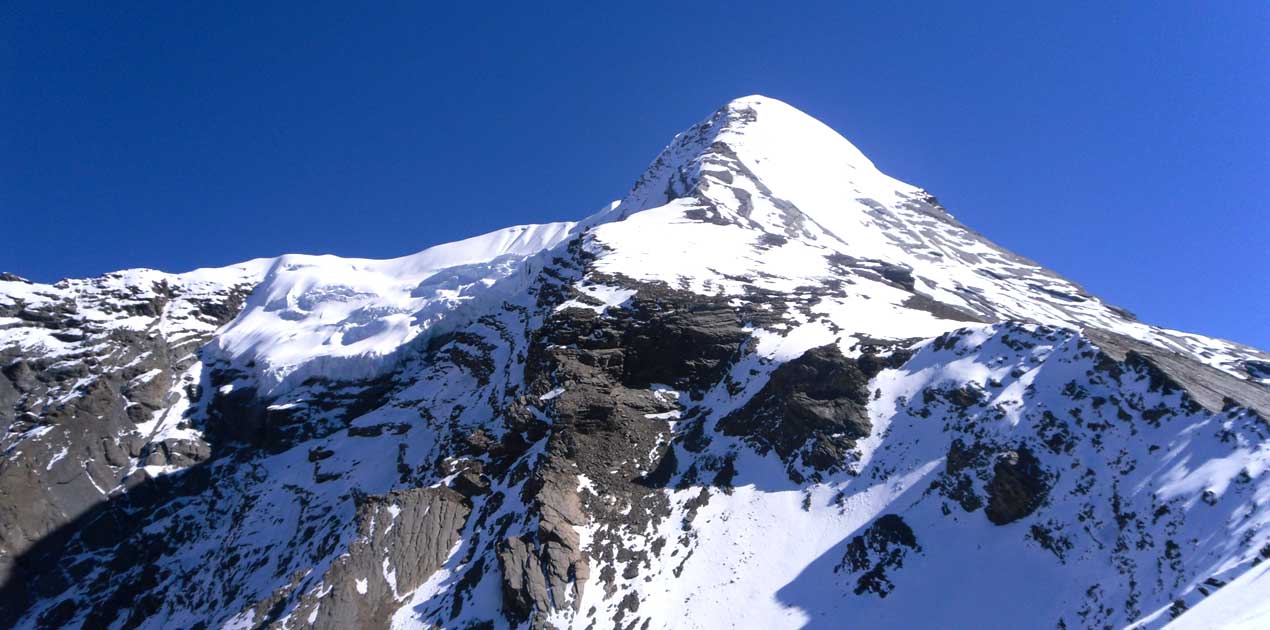
With The Trek Nepal, though, things are different. We can make the required package based on your budget, which is the key. The customised package will allow you to have the best time within your limited budget and time factor.
Permits Required for Pisang Peak Expedition
The permits required for the Pisang peak expedition can be available from the Nepal Tourism Board or the local municipality of the trekking region. If you book with The Trek Nepal, we will make the permits available for you as part of our service.
For the interested individuals, though, the permits required are:
- Pisang Peak Climbing Permit
- Annapurna Conservation Area Permit
- Trekkers Information Management System (TIMS) card
Alternative Treks to Pisang Peak Expedition
Not everyone has the same taste in peak climbing and trekking. While most of you might love the Pisang peak expedition, there is a major chance that you might look for other options.
There are plenty of alternative treks for the Pisang Peak expedition that can be done by the trekkers. They include:
- Chulu Far East Peak
- Island Peak Expedition
- Mera Peak
- Tharpu Chuli
Why Book With The Trek Nepal for Pisang Peak Expedition?
There are plenty of trekking agencies in Nepal that provide the best service to their clients. The outstanding results are also something to be envious of. However, there is much more to the reality of what catches the eye.
The Trek Nepal is not only different in the case of the Pisang Peak expedition, but also for the overall trek is different. We do have the best guides, an experienced team, and years of experience working in the field, but we are different on other fronts, too.
The Trek Nepal provides transparent pricing to its clients, making the overall process smooth. Also, the customised package for the client can fit the overall trekking on a budget. Similarly, the culture-driven trekking experience of The Trek Nepal is different.
We have a better connection with the local community, making the trekking experience more cultural and community-driven. Lastly, The Trek Nepal believes in eco trekking. Not only enjoying the overall journey, but we are also focused on saving the environment a zero negative footprint.
All of this could be hearsay until you come through to book a trek with us. Connect with The Trek Nepal so that we can help you to have the best trekking experience.
Detailed Itinerary For Pisang Peak Expedition
Day 1: Arrival in Kathmandu and shift to the hotel
On the very first day of the trek, you will reach Kathmandu. A member from The Trek Nepal will be present in Kathmandu to receive you at the airport. You will be taken to your respective hotel.
The trekkers will have ample opportunity to either visit the city or rest in their respective hotel rooms. There will be a welcome dinner on the first day.
Day 2: Sightseeing around Kathmandu and climb preparation
On the 2nd day of the Pisang peak expedition, we will take care of things that will be last-minute. The guests will be part of the city tour. A member from The Trek Nepal will take you on a city tour along with the food.
On the other hand, The Trek Nepal will be keen to collect all the required permits for the trek. The last-minute shopping for either gears or tools will be done.
Day 3: Drive from Kathmandu to Chamje
The actual thrill of the Pisang peak expedition comes on the 3rd day. Early in the morning, we will have breakfast and get on the drive from Kathmandu to Chamje. Alongside the banks of the Trishuli River, there will be a serene drive.
There will be plenty of settlements on the road, and we will cross the banks of the Marsyangdi River. As soon as we cross the river, we will be at Chamje village. It is a small village in the Marsyangdi Valley. 8 hours of long drive means that we will spend the night in Chamje.
Day 4: Trek from Chamje to Dharapani
As the journey in the Pisang Peak expedition gets interesting, we will be touching down in Dharapani today. There will be various suspension bridges that will be crossed today. The bridges over the Marsyangdi River mean the journey moves ahead.
Crossing varieties of farmlands in the Manang region means we will head towards Tal and Karte. Lastly, walking up the hill, we will reach Dharapani. It is a beautiful Gurung village where we spend the night.
Day 5: Trek from Dharapani to Chame
Early in the morning, we will have a healthy breakfast and start the journey towards Chame. It will be an 8-hour trek day, and things will only get interesting. First of all, there will be landslide-affected zones, so be careful about them.
Crossing this region, we reach Bagarchhap first. Later, the Tibetan village will be left behind, only to reach Koto. Lastly, Koto village will provide a gateway to Nar Phu Valley. As the trail ends, you will reach Chame to say the least.
Day 6: Trek from Chame to Upper Pisang
First, on the 6th day, we will focus on reaching Bharatang. As soon as we reach there, we will walk around the banks of the Marshyangdi River. The suspension bridge over the river shows us the way to ascend the trail. The team will reach Dhikur Pokhari.
A coniferous forest will be waiting for us in the wings. Slow walks and salty air mean that we will reach Pisang in the end. It is a small village with welcoming people and proper teahouses. We will stay the night here.
Day 7: Acclimatization at Upper Pisang
As we have hit the 3300m mark, we will have a rest day at the Pisang Peak expedition. The Trek Nepal feels that proper acclimatization is key to better trips. As a result of that, we will visit the local Pisang village today.
It will be visiting the local villages and watching the beautiful views of mountains like Gangapurna, Annapurna, Tilicho Lake, etc. It will only be a day of rest and recreation.
Day 8: Trek to Pisang Base Camp
After a day filled with proper rest and recreation, we move ahead in the Pisang Peak expedition. We will be targeting the Pisang peak base camp by the end of the day. First, we follow the thick trail of forest to Kharka.
Slowly, we go ahead to set up tents. The members from The Trek Nepal will set up camps and be ready for the big day. We will rest the night out in the open and in tents at the base camp.
Day 9: Trek towards Pisang Peak High Camp
The elevation gain can be seen massively. We will drop down to 5400m above sea level. It will be a few hours of walking from the base camp to high camp today.
As we reach the high camp, we will practice for the actual climb. Experts from The Trek Nepal will be providing you with tips on what to do, guidelines to follow, and other factors. All of this helps in being ready for the Pisang Peak expedition.
Day 10: Summit Pisang peak and back to base camp
On the 10th day of the trek, we will be reaching the Pisang Peak. An adventurous journey awaits us as we walk through the ridge. The final snow slope is the right way to go ahead. The team guide will fix the rope and lead the way for us.
Careful walking, proper guidance, and the right set of instructions will help us to overcome the Pisang Peak expedition. As interesting as it may sound, the journey is majorly fulfilling. We will have to return to base camp to spend the night.
Day 11: Trek from Pisang Peak Base Camp to Manang Valley
As you wake up early in the morning, there will be a sense of comfort as you have completed the Pisang Peak expedition. But getting back is also key. The first hit back will be to Manang Valley. After breakfast in the morning, we will move ahead around the banks of the river.
It will be an easy and slow trek day. 6 hours of slow and smooth walking will lead us to Manang valley, which is home to some of the beautiful settlements for us to enjoy. The local teahouse will welcome us for the night.
Day 12: Trek from Manang Valley to Yak Kharka
The trekking team will wake up in Manang Valley and have their breakfast. After finishing the healthy breakfast, we will move ahead towards Yak Kharka today. Moving past the alpine landscapes along with dense vegetation and forest, we reach Yak Kharka.
As the name suggests, Yak Kharka is the pasture area in summer. A small village with few settlements, Yak Kharka, will welcome us. This is the rest point for Annapurna Circuit trekkers, too. We will have warm food and proper sleep.
Day 13: Trek from Yak Kharka to Thorong Phedi
The journey of the Pisang peak expedition, as we trace our steps backwards, gets interesting too. We have the target of Thorong Phedi for the day, and we move ahead with it. Passing through the small settlements in Yak Kharka, we make a small, steep descent downhill.
Later, we will make a small climb uphill. Right from the position, you will have views of Syagang, Khatungkan, Gundang, and other peaks. With such sparkling views, we will reach Thorong Phedi, which is the base camp for Thorong La Pass.
Day 14: Cross Thorong La Pass and reach Muktinath
Things don’t slow down at Pisang Peak expedition as we will have to reach Muktinath by the end of the day. Thorong La Pass, which is one of the challenging passes, will be crossed with the help of the experienced team of The Trek Nepal.
Annapurna, Dhaulagiri are some of the peaks you see right through the day. Passing through the rocky trails and dense forest, we will reach the pass. There will be strong winds waiting for you. As you get down the pass, we reach Muktinath, which is a holy spot.
Day 15: Trek from Muktinath to Jomsom
Early in the morning, we will be visiting the Muktinath temple and paying our tributes to the holy. There are 108 waterspouts where you can take a dip. It is used to wash away your sins.
After enjoying your time around the temple, it is time to push for Jomsom now. Jomsom is the Thakali community and a very beautiful village. The day will be filled with an easy trek of 6 hours.
Day 16: Flight from Jomsom to Pokhara and sightseeing
The early morning breakfast will show us the way to the flight out of Jomsom. The Pisang Peak expedition will take us to Pokhara today. A short flight from Jomsom will lead us to Pokhara, where we will spend the whole day.
There will be sightseeing around the city with a lakeside view and nightlife. An experienced guide will help you with all the details of the city and ensure a luxurious time.
Day 17: Drive from Pokhara to Kathmandu
Today, we will leave the last fragments of the Pisang peak expedition behind. We will target Kathmandu by road today. This will be helped by the early morning drive to Kathmandu.
It will be an 8-hour drive with different landscapes all around. You will be crossing the river banks, greenery, different kinds of roads, etc. We will reach Kathmandu by early evening.
Day 18: Departure for the home nation
Sadly, the day has arrived when we will depart for our home nation. Completing the early morning breakfast, we will move ahead to our home nation.
An expert from The Trek Nepal will be taking us to the airport. It will be a short and sweet ride. With the promise to meet again, we parted our ways.