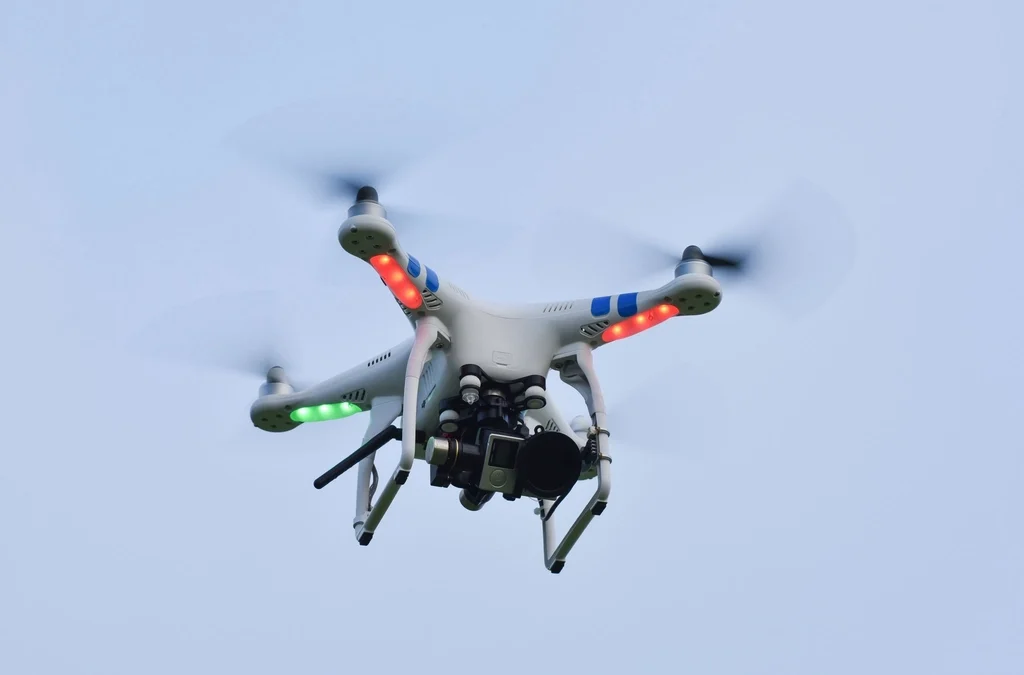
The landscapes of Nepal are among the most beautiful in the world. Having said that, not owning a good drone will get you missing out on all the action. Drone trekking in Nepal has been getting good attention lately.
A lot of the trekking agencies do provide the drone service; however, you need to be careful with the rules and restrictions that come along with it.
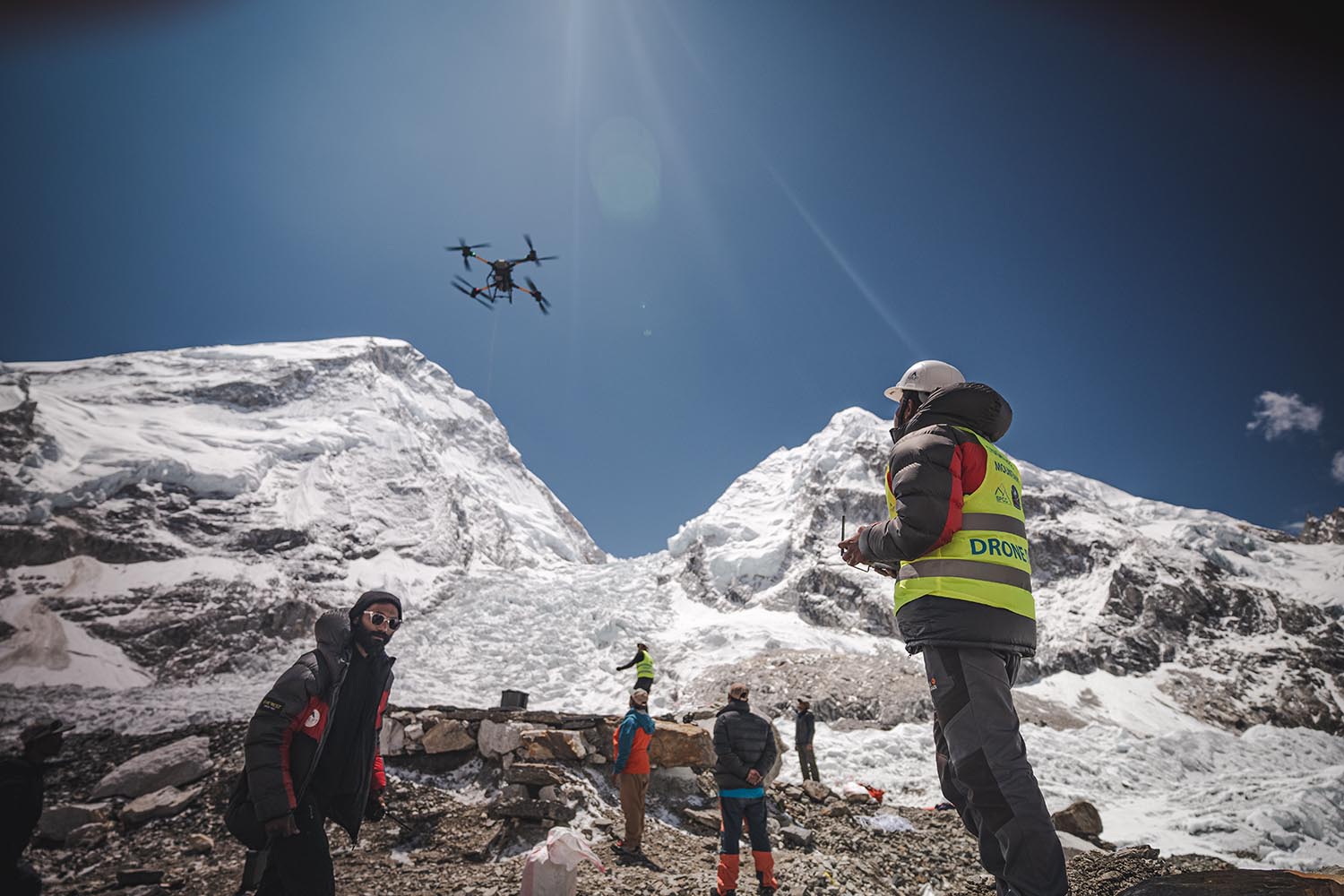
Not only through the trekking agencies, but solo trekkers also own their own drones. Most of the time, they dont have the knowledge of what to expect from the rules. The Trek Nepal, through this article, would like to talk about drone rules in detail.
Rules For Drone Trekking in Nepal
With the allowance of solo treks in Nepal, the rules for drone trekking in Nepal also keep on changing. In the most recent turn of events, drones are classified based on weight.
The maximum take-off weight, which is set by CAAN, will decide whether the drone you are using is safe or not. The category of the drone you use is directly related to the paperwork required.
There are 4 different categories of drones. They are:
-
Category A
Drone trekking in Nepal under category A means that your drone needs to be under 250g. It falls under low risk. Typical drones used in this section are the DJI Mini series, the DJI Neo, etc
-
Category B
Under this category, there are drones that fall in the weight category between 250 gms and 2 kgs. It is termed to be low risk, with the DJI and Mavic series being used
-
Category C
The drones that weigh between 2 kg and 25 kg come under this category. In this category, as well, drones fall under a regulated low-risk entity. Most of the time, drone trekking in Nepal goes under category C. The professional cinema drones are part of it.
-
Category D
The last and most risky drones fall under this category. Any drones that are above 25 kgs come under category D. They are a high-risk entity. The film production rigs, along with industrial drones, are part of it.
Permits for Drone Trekking in Nepal
There is a major misconception that contacting CAAN will help you get the permits required. Well, that is a lie. There are layers of permits that need to be gained before being able to fly drones.
There are 3 different layers that need to be studied before getting the smooth drone permit and enjoying the overall experience of flying drones in Nepal.
Layer 1: CAAN Registration and UIN
Yes, the first step to getting the drone permit is the Civil Authority of Nepal. Every drone that you fly must pass through this office before going to ground.
You can either register it online through their portal. As you get approved, the board will provide a unique identification number, which is valid for a year.
Layer 2: Ministry of Home Affairs Security Clearance
This particular level is followed for foreign nations that try to fly in sensitive zones and near the border. After you go through CAAN, this step comes through.
CAAN forwards the application to the Ministry of Home Affairs, mainly for security clearance. This process takes around 5 days.
Layer 3: National Park or conservation area permission
The last layer for drone trekking in Nepal is getting clearance for the national parks. A lot of the famous sites in Nepal fall under the protected area, and you will need to own a permit to fly there. The
Department of National Parks and Wildlife Conservation provides you with the required permit. Until and unless you have this, flying won’t be allowed.
Cost of Permits for Done Trekking in Nepal
The cost of permits for drone trekking in Nepal is different. You will need to be sure of what you should pay to get the drones flying.
Most of the time, the cost of the permits gets locked in CAAN registration and UIN, which is around $10-$50, along with the 13% VAT cost.
However, things get a big expensive. Most of the trekkers willing to use a drone pay only this amount, but the requirements differ. Breakdown of cost for permits is:
- Recreational use, along with a total realistic budget: $100-$300
- National Park Drone or filming permit: $1500+ 25% documentary surcharge
- Liability Insurance ( Category C and D above 2 kgs): Minimum Rs 5,000,000 cover required
- Commercial full-stack shoot near Everest: $1800-$2500
No Fly Zones in Nepal
If you are a trekker who is looking for exciting landscapes and views, Nepal is the perfect spot for you. Not only for the religion, culture, and traditions, the natural beauty will blow your mind.
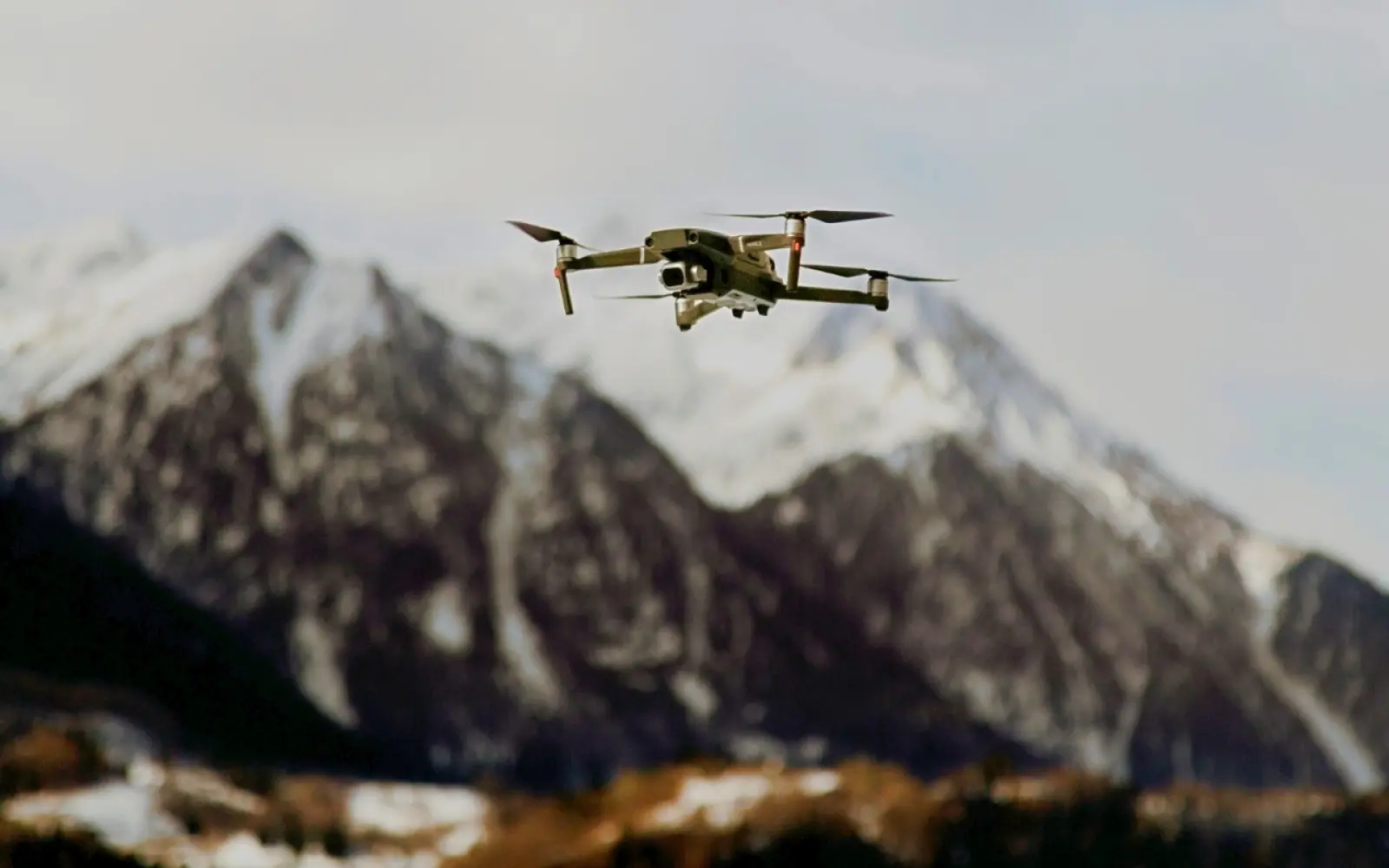
Flying drones makes the overall experience highly beautiful, but there are some no-fly zones, too. Anyone willing to fly drones must be clear about drone trekking in Nepal.
The major no-fly zones for drones in Nepal are:
5 kms of any airport, be it Lukla, Jomsom, Talcha, Pokhara, or Kathmandu. The take-off and approach paths are closed to drones at any altitude
- Flying within 5 kms of international borders with China and India
- Flying around cultural sites like Boudhanath, Pashupatinath, Swayambhunath, Changunarayan, and Lumbini
- Military installations and government buildings, including Singha Durbar, army barracks, and embassies
- Within 1 km of the VIP residence, which includes the residence of the president and the Prime Minister
- Flying around national parks and conservation areas requires a DNPWC or ACAP permit in addition to CAAN registration.
Things to Consider While Operating a Drone in Nepal
There are a lot of things that a drone can do which camera can never perform. But you will need to be careful when you operate a drone.
A drone can get shots that a normal camera or eye could. Therefore, drone trekking in Nepal comes with some restrictions as well. Some of the key things that need to be considered before flying a drone include:
- You cannot transport things with the use of a drone
- Always respect personal space and people’s privacy
- Never forget to register your drone with the local authority
- Dont fly in the busy area or the disaster-hit regions
- Avoid the use of a drone during nights or on misty, foggy evenings
- Always keep your drone below 400m and away from flying objects
- Read all the local restrictions that will be imposed on drone flying.