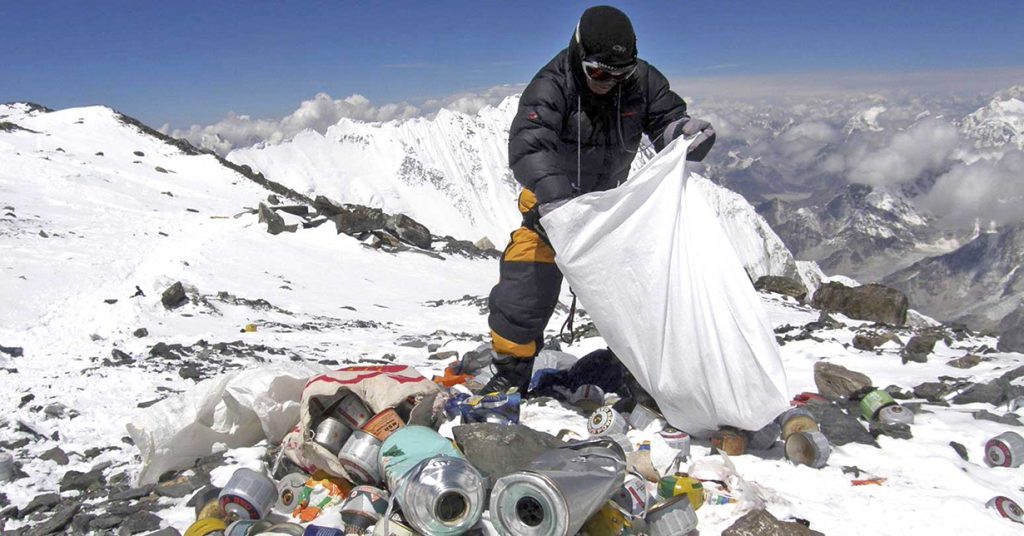
The weather might have been a challenge for a very long time, but now, climate change trekking in Nepal is a new challenge to fight against. There are notable changes due to climate change in trekking in Nepal.
From glaciers melting one after another to the uneven weather patterns and higher risk of avalanches, there is a sense of fear among all the climbers and trekkers.
Not only in Nepal’s trekking figure but climate change has been one of the key issues is the global economy as well. Until now, climate change trekking in Nepal hasn’t been addressed, but The Trek Nepal would like to talk about it in detail.
Higher flood and landslides
The biggest prevalent issue of climate change trekking in Nepal is the increased risk of floods and landslides. With the rain patterns and the loose soil not being defined, the risk of flooding and landslides is massive.
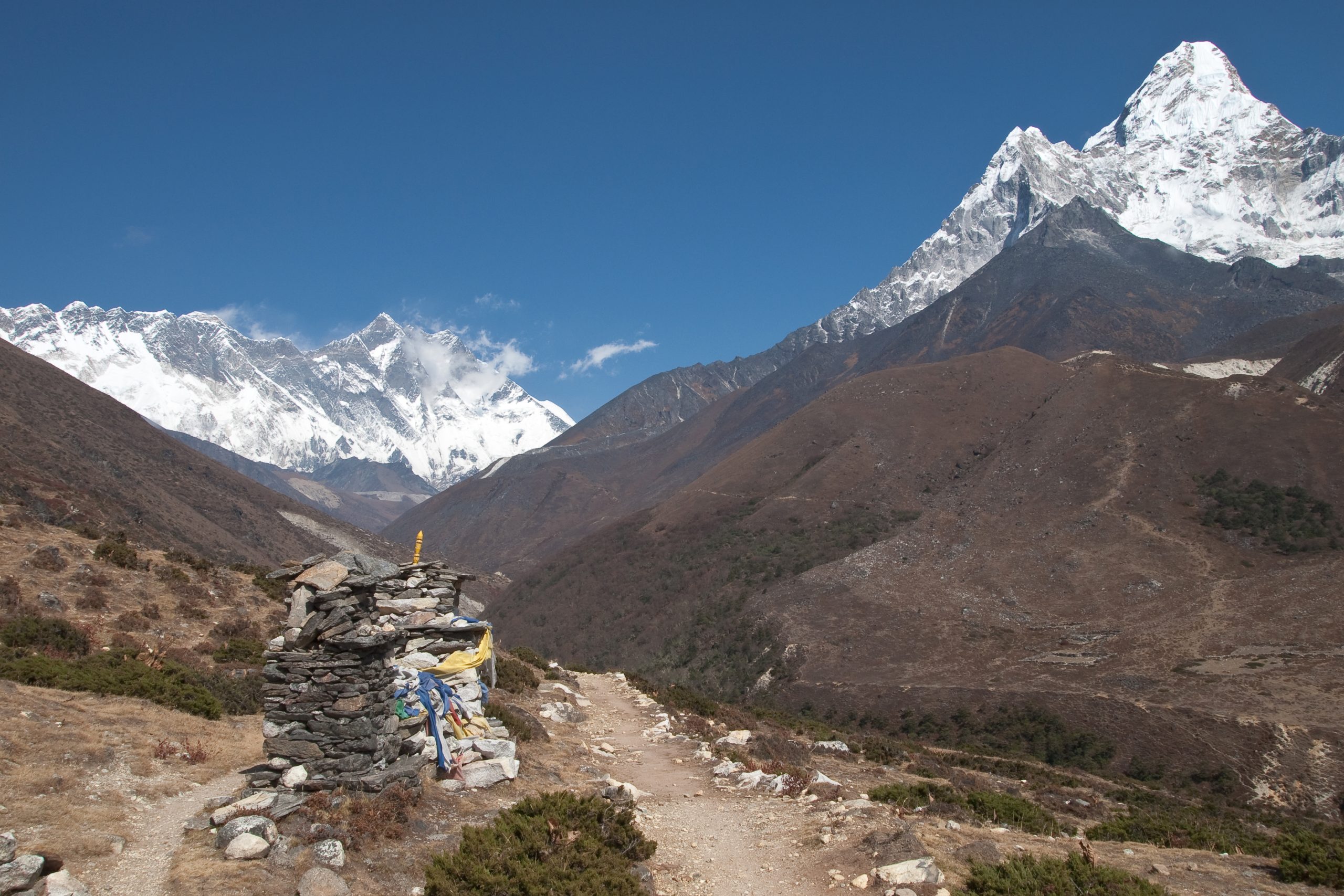
You will find the rise in temperature in various places, resulting in floods and landslides. As there is a chance of heavy rainfall in odd seasons, flash floods and rockfalls could be significant.
This could also turn fatal, or you could be trapped on the road for days due to landslide issues. The Trek Nepal advises you to be prepared for the unseen while trekking in Nepal.
Snow is drying up
One of the biggest problems and the visible one includes the snow drying up. Climate change trekking in Nepal has to go through mountains having less to no snow.
As the climbers hit the higher altitude, you would realise that the snow cover in the mountains is less and less. Most of the time, even the mid-winters haven’t seen much snow.
If climate change keeps impacting our mountains, you will realise that climbing mountains to see the snow will slowly become a myth. With less snow and more rocks, the trekkers should be ready with their gear.
Challenges to the local communities
As we know, climate change trekking in Nepal is impactful for the trekkers and the country; the biggest issue remains, even with the local communities. As the mountains are dry and there is no snow, fewer tourists visit the remote places.
The major source of income in these mountain regions has been tourism, so with fewer tourists, their livelihood is into the problem. As the weather is uneven, they could see water shortages, crop failures, and other problems.
Due to these issues, the cost of providing the food and accommodation in the mountains could increase too. Ultimately, the tourist might be less interested in the packages, impact the whole economy.
Less access to more clean water
Some of the readers might think that with the glaciers melting down, water shouldn’t be an issue. Well, not all glacial water is safe to drink, and you need to be very careful about what you choose.
Having said that, the uneven rain and the melted glacier tend to contaminate the fresh water sources. Due to this reason, the trekkers don’t get access to more clean water.
Not only that, but the water contamination, along with pollution, becomes common. Sadly, the trekkers need to carry water by themselves for multiple days, or the available water might be costlier.
Changes in season
Climate change is directly related to changes in the weather patterns. This phenomenon leads to changes in the season for trekking. Most of the time, September to November was termed autumn, and you could run up for trek.
But with climate change, things have gone south. There could be uneven snowfall, early or later rain, due to which the trekkers find it very hard to adjust. Most of the time, the NDRRMA also warns people about changing weather.
With the uneven climate changes for trekking in Nepal, the risk of deaths in avalanches gets higher. From landslide to flash flood, the issues just get multiplied with typical changes in the season.
Degradation of the trails
One of the biggest issues that seems to prevail with climate change trekking in Nepal is the disruption of the trails. This could be a major issue as the risk of landslides and road blocks will be common.
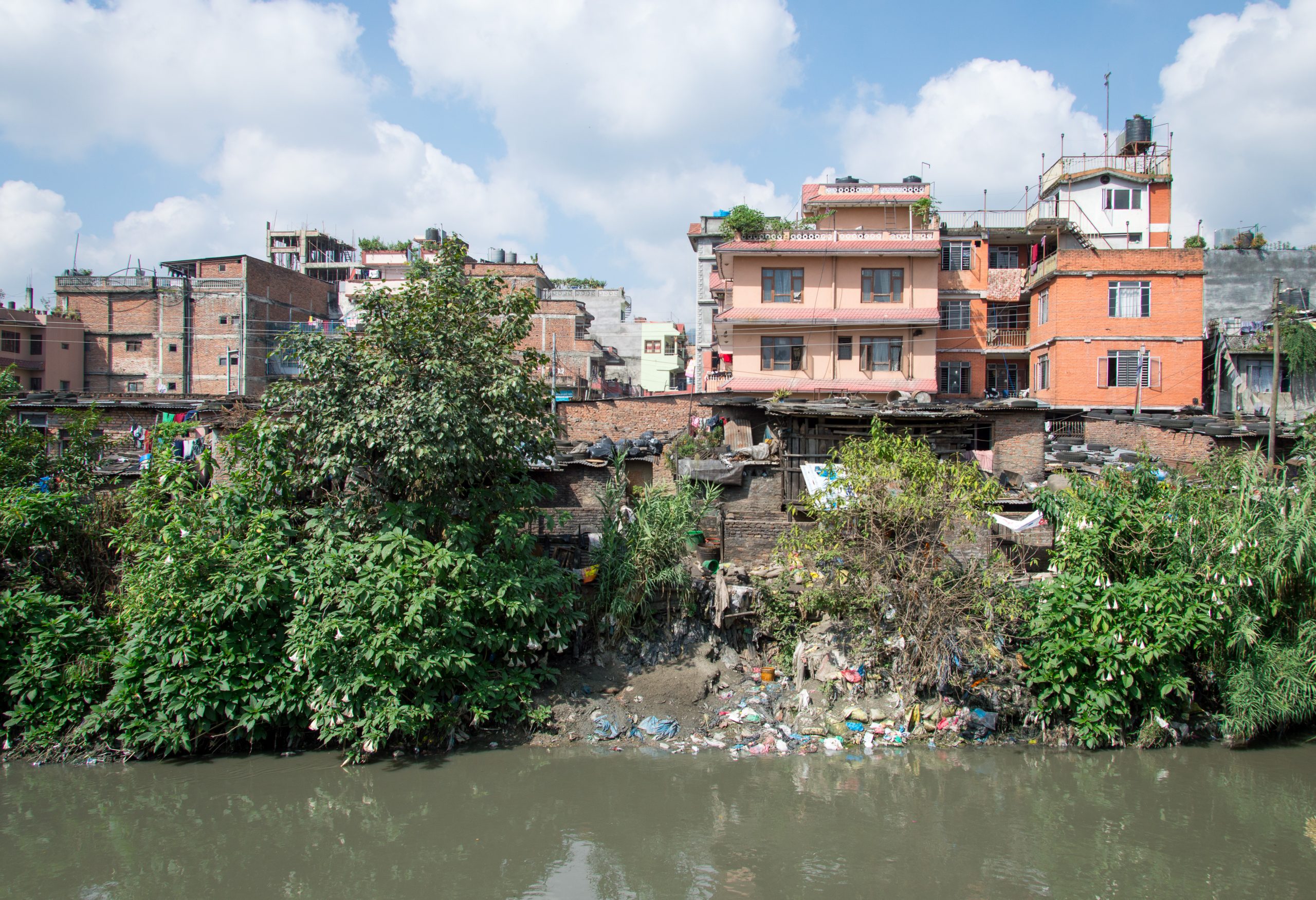
Not only that the trails are being disturbed mean that there will be no chance for future treks, which is an issue. The cost and time required to mend these trails are also a problem.
Some of the trekking trails are in the most remote areas, so clearing the path out to make it easier to move is much harder. So climate change does impact the safety of the trekker as well.
Ways To Adapt
As we know that climate change trekking in Nepal is risky, but The Trek Nepal assures you that proper planning and safety mean that you will be able to adapt better.
Some of the key steps for adaptation focus on planning carefully. Along with that, you can also pack wisely and leave no trace by following the eco-friendly trekking practices.
We also suggest that you carry some extra cash, as there is a chance of being trapped, which creates a major problem for the trekkers.
All in all, it is important that you look for your safety. Proper assessment and looking out does allow The Trek Nepal to keep trekkers safer, but self-safety is also a key factor.
Final Thoughts
Climate change has been impacting trekking massively. Not only the trekking trails, but the peak climbing has been an issue as well.
Even though you work so hard to reach the top of the mountain, dry rocks might disappoint you into bits and pieces. So studying the place better is important.
Until and unless you are sure about the location, we don’t suggest you go. With The Trek Nepal, you will get all the information about how the trek is at this particular moment.
Contact The Trek Nepal, as we will guide you right through the cost, the package, along with the situation of the road, and the time taken. All in all client will have the supreme power to take control of the whole experience.