
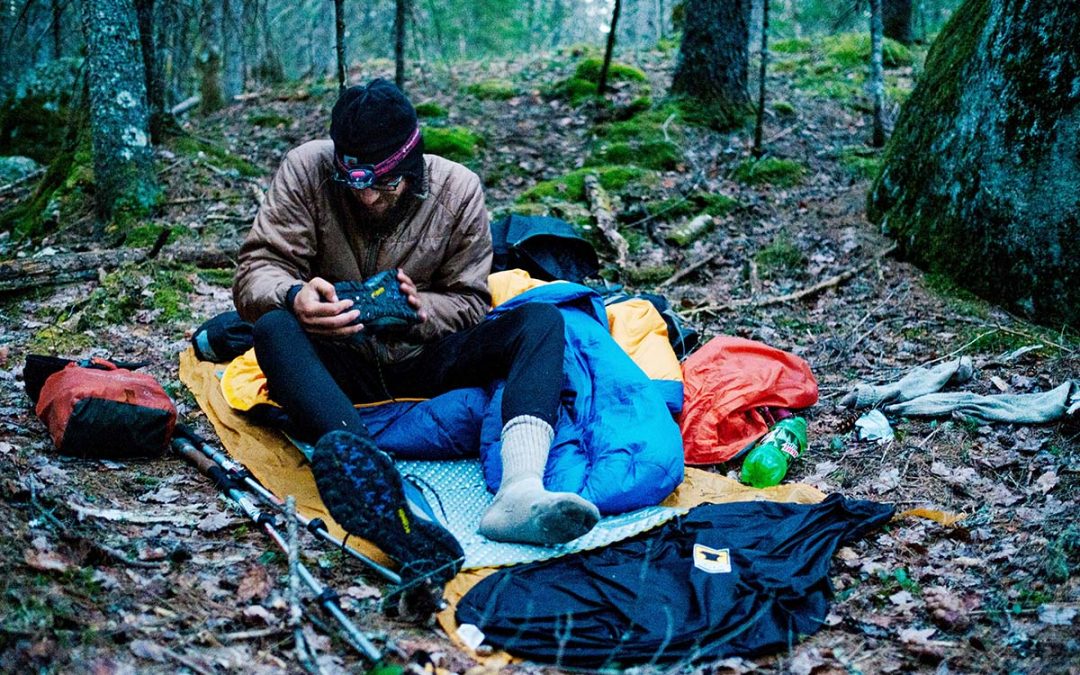
What do you think of when you hear the word “trekking”? Well, all the beautiful mountains, great view, and good food. But there is much more to that. The mental challenges of trekking are something that humbles you.
For a very long time, there have been talks about the physical strain and the physical issues that come with trekking. But the mental side of things gets overlooked most of the time.
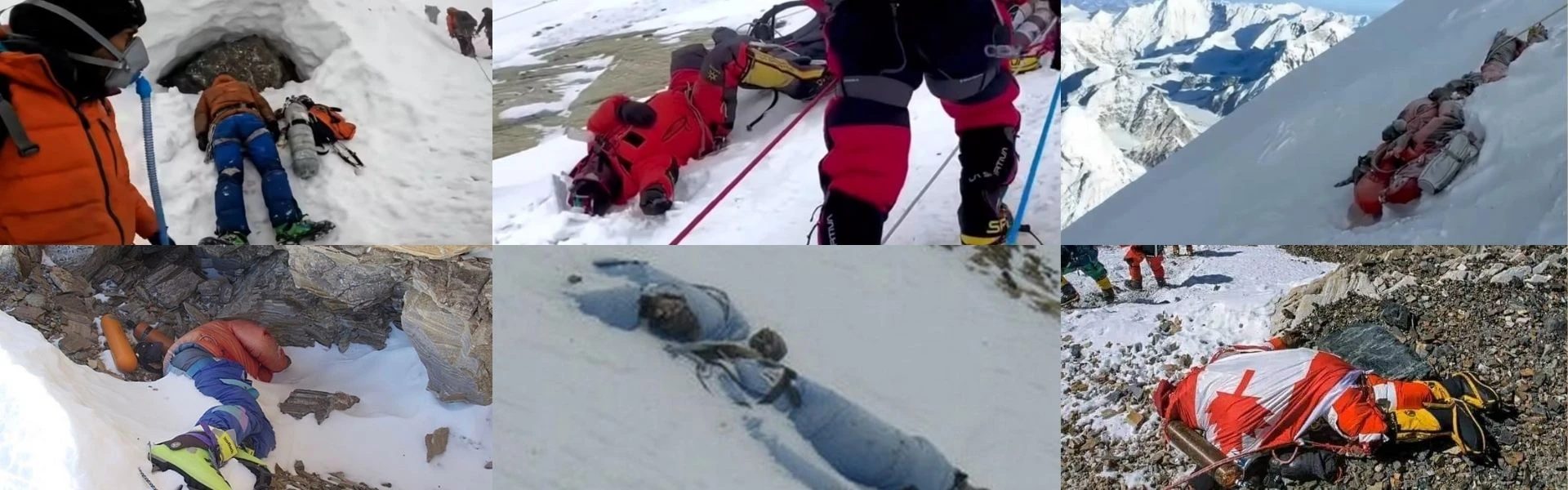
Trekking in Nepal isn’t only about walking the trails and crossing the paths, but there is much more to it. Lack of emotional stability, high altitude, and cultural differences.
In this article by The Trek Nepal, we would love to talk about the mental challenges of trekking. Stick till the end.
Fear of high altitude
The biggest mental challenge of trekking has to be the fear of higher altitudes. Not everyone is comfortable with the 5000m mark. This makes for the biggest mental challenge.
There are plenty of trekking destinations where clients have talked about their issues with the height. The Trek Nepal might train you about the climb, but the drop in oxygen level, and continuous treks could make things tougher.
Over a longer period of time, the exhaustion, along with proper monitoring of your body, will also be done by the team.
Isolation and Homesickness
Not physical, but the mental side of isolation can be haunting for a lot of climbers. If you choose the popular treks like EBC, ABC, Makalu, etc., you will be away for more than a month.
Travelling around in the remoteness for such an extended period could make things very hard. You can also feel emotional vulnerability and solitude.
Pre-trek anxiety
Not a lot of trekkers face this issue, but pre-trek anxiety is something that looks common in many. For mental challenges of trekking in Nepal, the pre-trek anxiety also plays a major role.
If you are someone thinking about a solo trek to different parts of Nepal, the solo trek anxiety takes over you most of the time. Most of the time, the anxiety is about not knowing what to expect.
Along with that, the queries like what if I fall sick, what if I break down mentally, and many more. Based on the experience of The Trek Nepal, this issue is very common in solo trekkers.
Mental fatigue from walking for long hours
Even though Nepal allows for solo trekking, The Trek Nepal doesn’t suggest you do so. Just imagine trekking for more than 2 weeks in solitude, that too alone, can be tough on you.
The mental fatigue that comes from walking longer hours is hard to imagine. 8 hours of trek every day over the period of 14 days can’t be easy at all.
This will bring the loss of motivation, negative thinking, emotional frustration, etc. In such a case, having companions will help you to get through the overall journey.
Fear of dangerous trails
The mental challenges of trekking in Nepal are hard to imagine. Just imagine you are walking the trail that has never been done before demands extra ordinary level of skill and patience.
The narrow mountain paths, the suspension bridges, landslide-prone areas, stiff cliffs, snow covered passes could make things tougher. There is also the constant feeling of falling.
The panic at slippery zones and the increased heart rate and anxiety are the major mental challenges of trekking in Nepal. Try to take it slow. Follow the guide and deep controlled breaths.
Sleep problems and mental irritation
When the trekkers reach a higher altitude, there is a greater chance that sleep could be disturbed. There are major chances of frequent waking, strange dreams, night anxiety, etc.
All of this is the outcome of new locations. Poor sleep will lead to mood swings, irritation, and reduced patience. When you are at a higher altitude, all of these are important factors.
So, with poor motivation to move ahead, the mental challenges of trekking in Nepal go over the top. As luxurious and easy as Nepal Tourism Board or the videos show, the outcome isn’t the same.
Emotional transformation during trekking
You can’t experience the emotional transformation if you haven’t done trekking by yourself. The mental challenges of trekking in Nepal can be plenty, but the outcome sometimes could surprise you.
Following the completion of the trek, there has been better confidence, emotional resilience, increased patience, and mental clarity as well.
Even though we have been talking about the mental negativity, the peaceful monasteries, remote villages, and the simplicity of life tend to humble you most of the time.
Monsoon factor
Some might argue that the monsoon factor relates to the mental challenges of trekking in Nepal; well, the answer is simple. If you select the wrong season and weather for the trek, it will directly impact the outcome.
Not only that with heavy rainfall and landslides, but there is chance of experiencing closed roads and being stuck at the same place. This will hamper your mental state from continuing for longer.
Tips To Overcome Mental Challenges of Trekking in Nepal
The first and most important tip would be the fact that you aren’t alone. There are a lot of other trekkers who feel the same mental block, but with experience, things start to change.
Try to consume a lot of fluid and water. With regular treks, the body’s water level decreases a lot, which makes you feel slow. Always have the right level of fitness.
Try to hit the gym to gain the right body shape, making trekking easier. Use sunscreen as the higher altitude and direct sun rays could impact your skin.
Even though the trend of going for solo trek is high, The Trek Nepal doesn’t encourage you to do so. The major reason is the mental challenges that appear as you move ahead.
There are a lot of positives for trekking in Nepal. But painting only the greater picture might impact the mental side of things. With the proper team and the right staff around, any trek in Nepal is easier.
The simplicity of the local villages, the remoteness, lesson on how to live in limited space and resources. All of this needs to be studied thoroughly before winning the mental challenges of trekking in Nepal.