
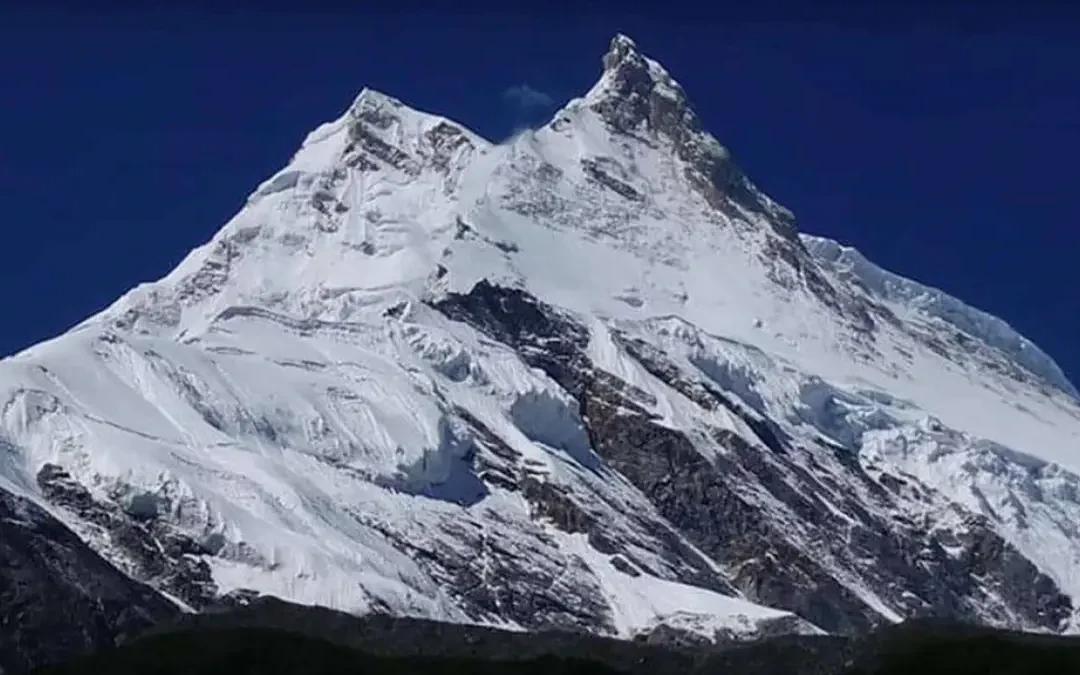
You will be surprised to know that Manaslu is one of the most loved and feared mountains in the world. Located in the Mansiri Himal section, Manaslu the killer mountain, has gained fame for being beautiful but equally dangerous to climb.
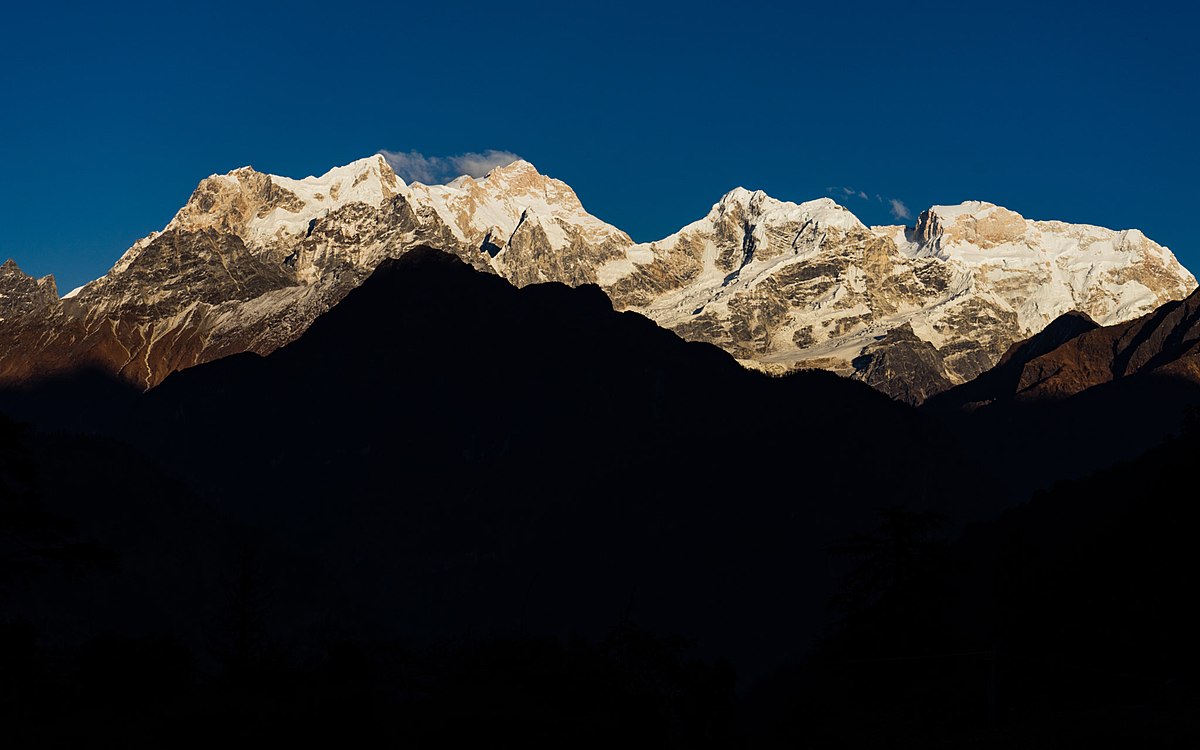
Manaslu is also the 8th-highest mountain in the world, with the most beautiful vistas to enjoy. Looking at how difficult this mountain is to climb, this makes the fellow climbers more excited to compete and complete the journey to the top.
Although Manaslu doesn’t fall in the top 5 tallest mountains in the world, the fear of climbing the masterpiece is something massive. There are many questions why people call Manaslu the killer mountain. Well, the answer is simple, due to how many people lose their lives while trying to climb it. Today, we will study in detail.
Why Do People Call Manaslu the Killer Mountain?
To answer the query why Manaslu is called the killer mountain, it is due to the number of people who have died during the climb to the top. The maximum altitude that you will reach during the climb is 8163m, but the climb is rough and rugged.
More than 80 people have lost their lives when attempting to climb Mount Manaslu. Not only that, but there have only been 2172 summit climbs to this point, which is quite surprising.
Along with that, the success rate of the climb is only 60% so people dont easily dare to climb to the top. Out of 100 successful climbs, 4 people die during the journey. Sounds scary, doesn’t it?
You will need to be highly skilled and experienced to complete this trek, which is the key. The challenging altitude, the uneven routes, and the unpredictable weather make it harder to complete the climb. With The Trek Nepal, though, this could be a bit easier.
History of Manaslu The Killer Mountain
Although climbing to one of the dangerous mountains is risky, people have attempted to reach the top plenty of times. Historically, the first person to climb Mount Manaslu was Mr Yuko Maki.
This first climb was made in 1956, and it opened the door for everyone to know that Manaslu is also possible to ascend. But the name Manaslu, the killer mountain, came way later. This particular name came in 1972 when an avalanche struck a Korean camp and killed 15 people.
It was a catastrophic moment where 10 Nepalese, along with Korean expedition leader Kim Ho Sup, and Japanese climber Kazunari Yasuhisa, also lost their lives. Following this tragic incident, the name automatically came to Manasly.
2 decades following the first climb, Manaslu took so many lives, which proves that the mountain remains deadly even to this day. So being careful and extra cautious is the key.
Reasons For Death In Manaslu Peak Climb
Readers might be surprised to know that NTB declares Manaslu to be a safer mountain to climb, but only in the right season. Based on the previous booking and experience of climbing, Manaslu actually is dangerous.
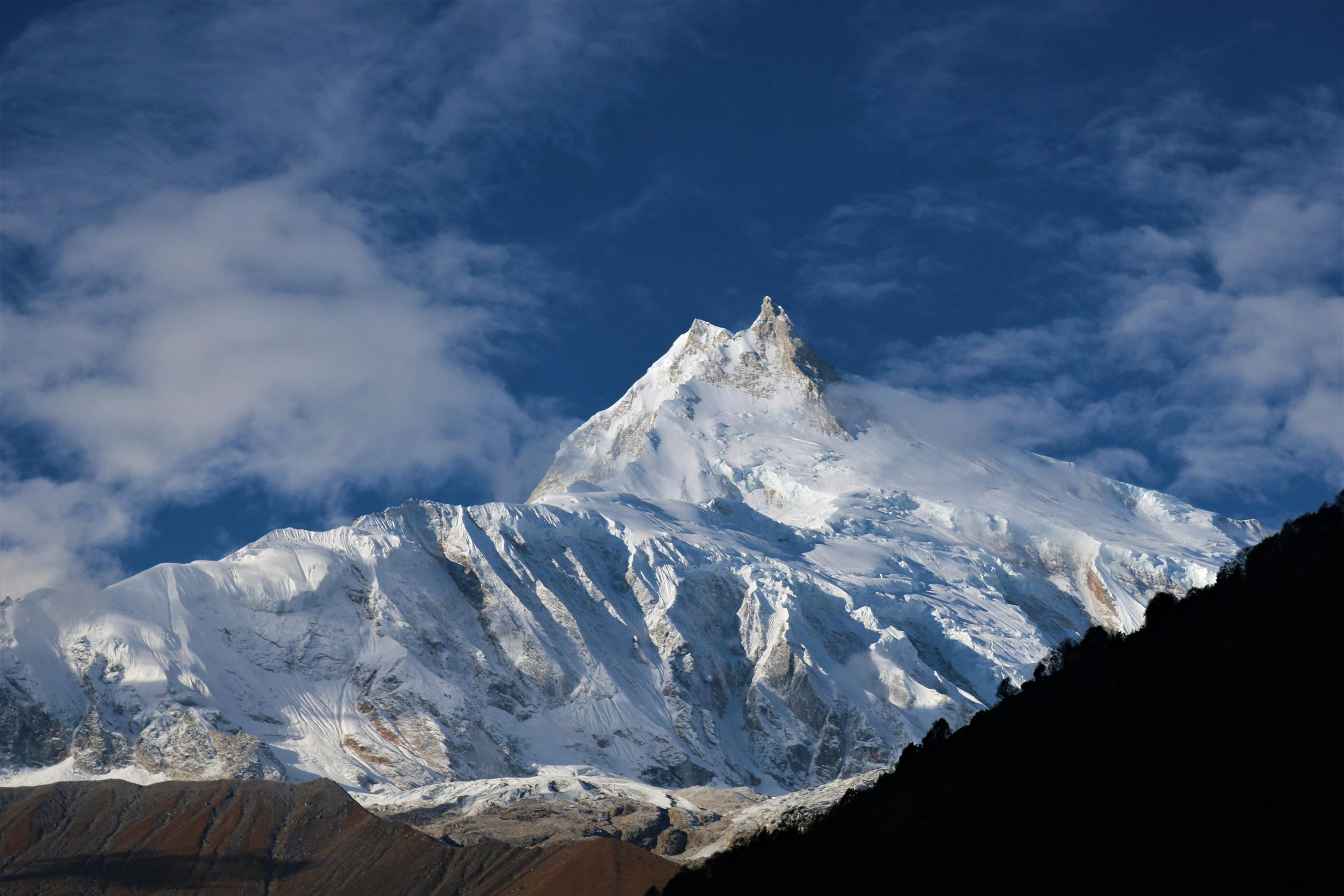
Higher experience, a good team, great medical support, and experienced guides will be required if you are thinking of climbing Mount Manaslu.
However, some of the key reasons why so many people die during the Manaslu climb are:
-
Uneven weather conditions
The biggest reason why so many deaths occur is due to the frequent weather changes. At Manaslu the killer mountain, you will find strong winds, snowfall, and drastic weather changes.
The temperature can go below -30 degrees Celsius with winds blowing at 100 kph. As there is no certainty of when the weather will clear out, navigating your way and moving to the destination remains tough.
-
Risk of Avalanches
It doesn’t matter which mountain you climb; the chances of avalanches always remain. But with Manaslu, the chance is higher. To this day, more than 30 people have lost their lives due to avalanches in the Manaslu region.
15 people lost their lives in 1972, while 11 lost their lives in 2012 due to an avalanche in the region. It is massively difficult to predict the chances of avalanches, which makes it even harder. As the Manaslu region faces major snowfall, the chances of avalanches remain high most of the time.
-
High chance of altitude sickness
Any 8000m climb brings on altitude sickness. Dont be surprised with Manaslu as it brings the same. Higher altitude gain can bring in the risk of Acute Mountain Sickness. Along with that, you will also face HACE and HAPE.
40% of the climbers for Manaslu suffer from altitude sickness, which is a major number. Some of the key symptoms of altitude sickness include shortness of breath, nausea, headache, dizziness, etc. If not treated on time, this could be life-threatening.
-
Seracs accident
Seracs are a big block of glacial ice that is present in abundance in the Manaslu region. As an avalanche and snowfall are falling, Seracs are commonly seen. Sadly, there is no warning of these big icefalls, which kill people.
Manaslu the killer mountain, has seen multiple accidents since 2021 after the fall of massive ice blocks. As you get into the steeper section, the risk gets multiplied, which is the problem. As you walk through the steep trails, the chance of protecting yourself is less.
This creates a scenario of life and death for you. A right guide will, however, help you to move quickly after checking the stable ice and also avoid the high-risk areas.
Final Thoughts
If you have come this far, you might be thinking it is almost impossible to do Manaslu, the killer mountain climb. Well, that is not the case. It is absolutely possible to complete this journey, but with the right team, like The Trek Nepal.
With years of experience and performing various successful climbs, we understand what it takes to complete the Manaslu climb, too. But let us warn you clearly that you should be experienced, physically fit, and mentally strong if you want to complete this journey.
For all the experience we have, Manaslu is a very difficult mountain with all the uncertainty around it. Having said that, we do perform it.
All the training, skills, and strategies will be discussed before making the climb. High-quality guides, medical staff, and the best people will be right around you to complete the Manaslu trek.
So what have you been waiting for?